
Heat Stabilizers for PVC: How to Choose by Application, Process and Compliance
Read:343
Source:
Quick Answer
Choose heat stabilizers for PVC by matching application, processing temperature, required tests and compliance documents; then verify Ca-Zn, one-pack or tin systems in your actual production formula.
Key Takeaways
·Heat stabilizers for PVC protect color, mechanical strength and processing stability during high-temperature production.
·The right heat stabilizer for PVC depends on application: pipe, cable, transparent products, medical PVC, flooring or calendering.
·Ca-Zn, one-pack and tin systems should be compared by processing window, transparency, plate-out, odor, cost and compliance.
·The thermal stability of PVC should be checked with oven aging, Congo red, color change, plate-out and finished-product tests.
·Export buyers should request SDS, TDS, COA, RoHS, REACH, heavy metal reports and application-specific compliance documents.
Abstract
Selecting heat stabilizers for PVC is not only a chemistry decision. A pipe manufacturer, cable compounder, transparent film producer and medical tubing supplier may all use PVC, but their stabilizer requirements are very different. The right system should match the product application, processing method, color requirement, transparency target, long-run cleanliness and export compliance needs.
AIMSEA positions its PVC stabilizer solutions around lead-free calcium-zinc systems, one-pack additive solutions and customized heat stabilizer support for pipes, fittings, profiles, flooring, cables, transparent PVC and recycled PVC applications. This guide explains how buyers can choose a PVC heat stabilizer by application, process and compliance before requesting samples.
Why PVC Needs Heat Stabilizers for PVC?
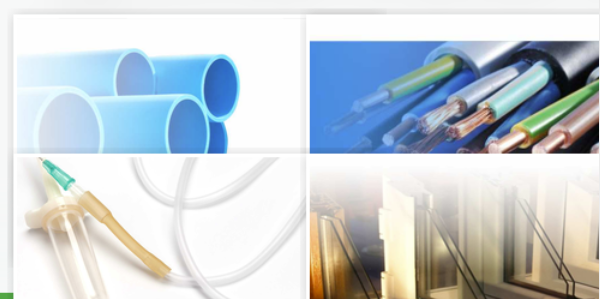
PVC is widely used because it is versatile, cost-effective and easy to process into rigid or flexible products. However, PVC is sensitive to heat. During extrusion, calendering, injection molding or compounding, high temperature can cause degradation, discoloration and processing instability.
A suitable heat stabilizer for PVC slows down this degradation, supports smoother processing and helps the finished product maintain color, strength, appearance and compliance.
What happens when PVC is heated?
When PVC is exposed to heat, it can release hydrogen chloride and form conjugated double-bond structures. This is why PVC may turn from white to yellow, brown and eventually black under severe thermal aging. In transparent PVC aging tests, longer heating time usually leads to deeper color because PVC degradation creates structures that absorb more visible light.
What should a PVC stabilizer protect?
Protection Target | Why It Matters |
Initial color | Prevents early yellowing during processing |
Long-term heat stability | Supports service life and aging resistance |
Processing window | Reduces risk of burning, sticking or unstable output |
Plate-out control | Keeps die, roll or mold surfaces cleaner |
Mechanical performance | Helps maintain tensile strength, elongation and impact resistance |
Compliance | Supports lead-free, RoHS, REACH or application-specific requirements |
Mechanical performance Helps maintain tensile strength, elongation and impact resistance
Compliance Supports lead-free, RoHS, REACH or application-specific requirements
Choose Heat Stabilizers for PVC by Application
There is no universalbest stabilizer for every PVC product. Buyers should first define the application, then evaluate the stabilizer system around real production conditions. Application-based selection helps avoid formula mismatch, unnecessary cost and failed production trials.
AIMSEA application solutions cover transparent plastic, calendering PVC, medical supplies, pipe and fittings, wire and cable, foam, profiles, recyclable PVC, flame retardant materials and organotin stabilizer systems.
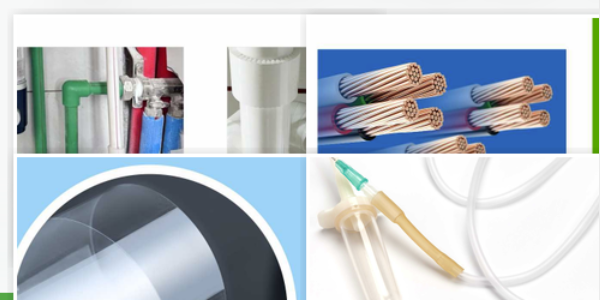
Application selection matrix
PVC Application | Main Requirement | Suggested Stabilizer Direction | Key Tests |
Transparent PVC sheet, film, hose | Clarity, low odor, low yellowing | Ca-Zn transparent stabilizer or tin/booster system | Haze, transmittance, oven aging, odor |
Calendering PVC film/sheet/leather | Roll cleanliness, color stability, low plate-out | Ca-Zn or one-pack system with lubricant balance | Plate-out, dynamic stability, color hold |
Medical PVC tubing/blister | Low odor, non-toxic, transparency, sterilization stability | Lead-free Ca-Zn system | Biocompatibility, clarity, migration, aging |
PVC pipe and fittings | Fusion control, low precipitation, pressure performance | Cost-effective Ca-Zn stabilizer | Static stability, torque, hydrostatic performance |
PVC wire and cable | Heat resistance, electrical performance, Congo red time | Cable-grade Ca-Zn / one-pack system | Congo red, heat aging, insulation resistance |
High-clarity rigid PVC | High thermal stability and clarity | Tin stabilizer or organotin + Ca-Zn booster | Transparency, heat stability, cost comparison |
Ca-Zn, One-Pack and Tin Heat Stabilizer for PVC Systems
Different stabilizer systems solve different production problems. The best choice depends on whether the buyer values compliance, clarity, cost, processing simplicity or high-temperature performance most.
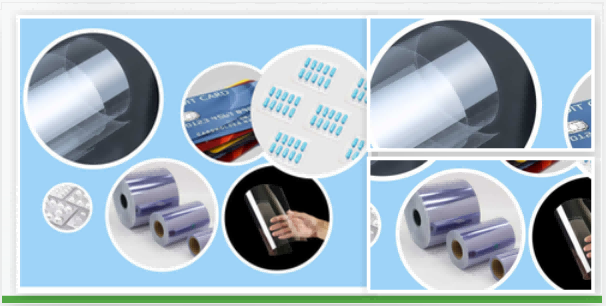
Calcium-zinc stabilizers
Calcium-zinc stabilizers are widely used in lead-free PVC applications. They are suitable for pipes, fittings, profiles, flooring, cables and many rigid or flexible PVC products. For export-oriented manufacturers, Ca-Zn systems are often preferred when lead-free positioning and restricted-substance control are required.
Best for lead-free PVC formulations, pipe/profile/flooring/cable applications, export projects requiring RoHS or REACH support and customers looking to replace lead-based systems.
One-pack PVC stabilizer systems
A one-pack system combines stabilizer, lubricant and processing support into a more integrated additive package. It is useful when manufacturers want simpler dosing, more stable batches and easier production control. This direction is especially practical for plants that want fewer weighing steps and more stable daily output.
Tin stabilizers and organotin booster systems
Tin stabilizers are often selected for high-transparency rigid PVC because they provide strong heat stability and clarity. However, cost, odor and compliance pressure can make full tin systems less attractive in some markets.
For transparent PVC, an organotin partner or booster can help reduce tin dosage while maintaining clarity and processing performance. AIMSEA test data for CZ-186 shows that combining Ca-Zn with organotin can maintain similar transparent sheet performance while helping reduce overall stabilizer cost and odor in suitable formulas.
Match the PVC Heat Stabilizer to the Processing Method
The processing method changes the stabilizer requirement. A formula that works in short lab mixing may not work in long extrusion, high-speed calendering or injection molding. Before approving a PVC heat stabilizer, buyers should test it under the real processing temperature, residence time and equipment conditions.
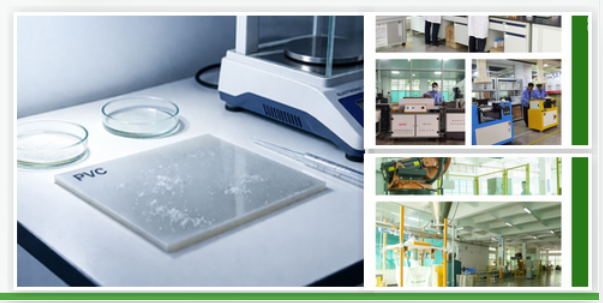
Extrusion, calendering and injection molding
Process | Common Risk | Stabilizer Focus |
Pipe extrusion | Poor fusion, die build-up, unstable wall thickness | Broad processing window, low precipitation |
Cable extrusion | Yellowing, low insulation resistance, poor heat aging | Heat aging, Congo red, electrical performance |
Calendering | Plate-out, roll sticking, color drift | Lubricant balance, dynamic stability |
Injection molding | Burning, poor release, surface defects | Fast stabilization, release performance |
Transparent processing | Haze, odor, yellowing | Clarity, compatibility, low volatility |
For example, pipe and fitting formulas often need fusion control, stable wall thickness and low die build-up. Cable formulas focus more on heat aging, electrical properties and insulation reliability. Transparent PVC requires clarity, low haze and stable initial color.
Test the Thermal Stability of PVC Before Approval
Buyers should not approve heat stabilizers for PVC only by price or dosage. The correct approach is to test the stabilizer in the buyer’s actual PVC formula, equipment and target standard. This is especially important when changing from lead stabilizer to Ca-Zn, reducing organotin dosage or moving from single additives to a one-pack system.
Practical test dashboard
Test Item | What It Shows | When It Matters Most |
Static oven aging | Color change and long-term heat stability | Transparent PVC, pipe, cable |
Congo red time | HCl release and thermal safety margin | Wire and cable, heat-resistant PVC |
Torque rheometer | Fusion behavior and processing window | Pipe, profile, flooring |
Plate-out observation | Die/roll cleanliness in long runs | Calendering, extrusion |
Haze and transmittance | Optical clarity | Transparent sheet, film, hose |
Tensile/elongation | Mechanical retention | Cable, medical tubing, flexible PVC |
Electrical resistance | Insulation reliability | Wire and cable |
Odor/VOC check | Product acceptability | Medical, interior, packaging |
Simple approval flow: Application → Formula review → Lab trial → Processing test → Finished product test → Compliance document review → Sample approval.
Export Compliance Documents for Heat Stabilizers for PVC
Compliance is now part of stabilizer selection. For EU-related projects, buyers should pay close attention to lead-free requirements, REACH registration or restriction information, RoHS reports and heavy metal control. Compliance review should happen before bulk purchasing, not after a product fails customer inspection.
What documents should buyers request?
Document | Purpose |
TDS | Confirms product form, dosage, application and key properties |
SDS | Provides safety, handling, storage and hazard information |
COA | Confirms batch quality data |
RoHS report | Supports restricted-substance control |
REACH statement/report | Supports EU market access |
Heavy metal report | Confirms lead, cadmium and other controlled metals |
Food contact / medical documents | Needed for packaging, tubing or healthcare-related PVC |
Trial report | Shows performance under relevant formula and processing conditions |
What Buyers Should Send to a PVC Stabilizer Supplier
A supplier cannot recommend the right heat stabilizer for PVC with only a product name. The more complete the information, the faster the sample recommendation. Buyers should provide product type, current formula, process, temperature, target market and current production problems.
Sample request checklist
Information to Provide | Example |
PVC product type | Pipe, cable, transparent sheet, medical hose, calendered film |
Rigid or flexible PVC | uPVC pipe, flexible cable compound, soft transparent hose |
Current formula | PVC resin, plasticizer, filler, lubricant, stabilizer dosage |
Processing method | Extrusion, calendering, injection molding, compounding |
Processing temperature | Barrel, die, roll or mold temperature |
Current problem | Yellowing, plate-out, odor, poor fusion, low Congo red time |
Target market | EU, US, Middle East, Southeast Asia |
Compliance needs | RoHS, REACH, FDA, food contact, medical standard |
Required sample form | Powder, paste, flakes or one-pack additive |
FAQ About Heat Stabilizers for PVC
What is the best heat stabilizer for PVC?
There is no single best system for all PVC products. The best choice depends on application, formula, process, compliance target and finished-product testing.
Are calcium-zinc stabilizers better than tin stabilizers?
Ca-Zn systems are strong for lead-free and compliance-focused PVC applications. Tin systems are still useful for certain high-clarity rigid PVC products, but cost, odor and compliance should be reviewed.
Is Congo red time enough to judge the thermal stability of PVC?
No. Congo red time is useful, but buyers should also check oven aging, color change, plate-out, mechanical properties, electrical performance and real production stability.
Conclusion
Choosing heat stabilizers for PVC should start from the final product, not from the stabilizer name. Pipe, cable, transparent PVC, medical tubing and calendered film all require different performance balances.
A practical selection process is simple: define the application, compare Ca-Zn, one-pack and tin/booster systems, test the thermal stability of PVC in the actual formula, review export compliance documents and send complete production information to the supplier before sample approval.
For buyers, the right PVC heat stabilizer is not just the one that passes a lab test. It is the one that runs cleanly, keeps color stable, supports compliance and solves the real production problem.