
How to Evaluate Heat Stabilizer for PVC Manufacturers: Testing, Documents and Trial Support
Read:295
Source:
Quick Answer
Evaluate heat stabilizer for PVC manufacturers by checking factory qualifications, R&D capability, testing equipment, product consistency, compliance documents and real trial support before approving samples.
Key Takeaways
A reliable heat stabilizer for PVC manufacturers evaluation should start with factory capability, not only product price.
A professional pvc heat stabilizer manufacturer should offer R&D support, testing equipment and application-based formula recommendations.
Product consistency is critical for long-term PVC production stability, especially in extrusion, calendering and cable compounding.
A qualified pvc stabilizer supplier should provide SDS, TDS, COA, RoHS, REACH and heavy metal reports.
Sample approval should include lab tests, pilot trials and production validation under the buyer’s actual formula.
Abstract
Choosing a heat stabilizer supplier is a technical purchasing decision. For PVC processors, the wrong stabilizer may cause yellowing, plate-out, odor, poor fusion, low heat aging performance or compliance risk. Therefore, buyers should not evaluate heat stabilizer for pvc manufacturers only by unit price or recommended dosage.
AIMSEA positions itself as a PVC stabilizer manufacturer offering lead-free calcium-zinc stabilizers, one-pack systems and customized heat stabilizer solutions for pipes, fittings, profiles, flooring, cables, transparent PVC products and recycled PVC applications. Its website also highlights 28 years of expertise, service across 20+ countries, in-house R&D and 50+ advanced testing facilities. This guide explains how buyers can evaluate a pvc heat stabilizer manufacturer from factory qualification, testing ability, product consistency, documentation and trial support.
Why Evaluating Heat Stabilizer for PVC Manufacturers Matters?
PVC heat stabilizers are not ordinary additives. They influence color stability, fusion behavior, processing window, plate-out, product surface quality, mechanical performance and compliance. When a stabilizer is unstable or poorly matched to the application, production problems may appear quickly.
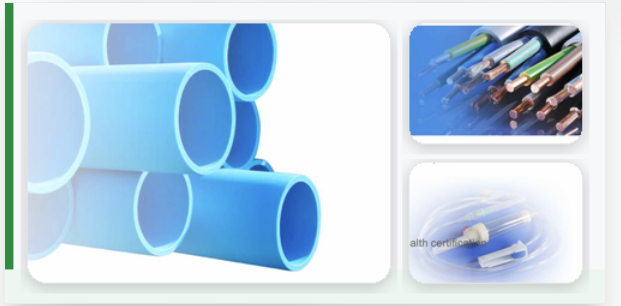
For example, a pipe extrusion line may face die build-up or unstable fusion. A wire and cable compound may fail heat aging or Congo red testing. A transparent PVC product may show haze, odor or yellowing. A calendering line may suffer from roll sticking or plate-out.
That is why evaluating heat stabilizer for pvc manufacturers should include technical support, testing capability and long-term consistency, not just price comparison.
Supplier selection affects production risk
Supplier Evaluation Area | Why It Matters |
Factory qualification | Confirms real production and quality control capability |
R&D ability | Supports custom formula adjustment |
Testing equipment | Verifies heat stability, color, clarity and mechanical performance |
Product consistency | Reduces batch variation and production risk |
Application support | Helps match stabilizer to pipe, cable, transparent, medical or calendering PVC |
Compliance documents | Supports export and customer approval |
Trial support | Confirms whether the stabilizer works in real production |
Check Factory Qualifications of a PVC Heat Stabilizer Manufacturer
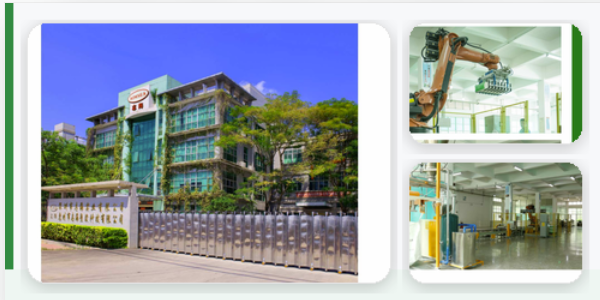
A qualified pvc heat stabilizer manufacturer should have stable production capacity, quality management procedures and a clear product range. Buyers should verify whether the supplier is a real manufacturer, a trading company or a distributor.
AIMSEA’s About page states that the company has focused on non-toxic, environmentally friendly PVC stabilizers since 1997 and lists 30+ patented technologies, 50+ advanced testing equipment and 60,000 tons of annual production capacity. These types of indicators are useful when buyers compare factory strength.
Factory evaluation checklist
Evaluation Item | What to Check | Buyer Action |
Company history | Years in PVC stabilizer production | Check official profile and export experience |
Production capacity | Annual output and stable supply ability | Ask for capacity range and lead time |
Product scope | Ca-Zn, one-pack, tin booster, special additives | Match product range to your PVC application |
Certifications | ISO, patents, environmental certificates | Request copies if needed |
Factory audit | Workshop, warehouse, QC lab, packaging area | Ask for video audit or on-site visit |
Export experience | Countries served and document familiarity | Check target market support |
Review R&D and Testing Equipment from a PVC Stabilizer Supplier
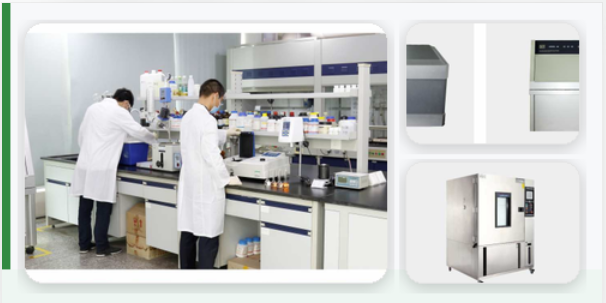
A professional pvc stabilizer supplier should not only sell standard grades. It should help buyers adjust stabilizer systems based on PVC resin, plasticizer, filler, lubricant, processing temperature and finished-product requirements.
AIMSEA’s product page states that stabilizer selection should be based on processing method, product type and compliance requirements, and that the company provides calcium-zinc stabilizers and customized additive solutions for multiple PVC applications.
What testing capability should buyers expect?
Consistency Indicator | What It Means | What Buyers Should Request |
Appearance | Powder color, particle size, moisture condition | Visual standard and sample retention |
Active content | Stability of functional ingredients | COA batch data |
Moisture level | Affects dosing, dispersion and storage | Moisture test result |
Heat stability data | Confirms performance repeatability | Oven aging or Congo red result |
Processing behavior | Fusion time, torque, plate-out | Rheometer or trial record |
Packaging consistency | Prevents contamination and moisture absorption | Standard packaging specification |
AIMSEA’s uploaded organotin partner material also shows practical testing items such as static aging, haze, transmittance, tensile strength, heat shrinkage and impact-related evaluation for transparent PVC sheet trials.
Evaluate Product Consistency from Heat Stabilizer for PVC Manufacturers
Product consistency is one of the most important standards when selecting heat stabilizer for pvc manufacturers. A sample may perform well once, but the real question is whether the supplier can keep the same performance from batch to batch.
For PVC manufacturers, small stabilizer variations may change fusion time, early color, plate-out tendency, lubrication balance or finished-product appearance. This is especially important for long extrusion runs, high-speed calendering, cable compounds and transparent PVC products.
Batch consistency indicators
Consistency Indicator | What It Means | What Buyers Should Request |
Appearance | Powder color, particle size, moisture condition | Visual standard and sample retention |
Active content | Stability of functional ingredients | COA batch data |
Moisture level | Affects dosing, dispersion and storage | Moisture test result |
Heat stability data | Confirms performance repeatability | Oven aging or Congo red result |
Processing behavior | Fusion time, torque, plate-out | Rheometer or trial record |
Packaging consistency | Prevents contamination and moisture absorption | Standard packaging specification |
Compliance Documents from a PVC Stabilizer Supplier
For export-oriented PVC products, compliance documents are part of supplier evaluation. A reliable pvc stabilizer supplier should provide clear documentation before bulk order approval.
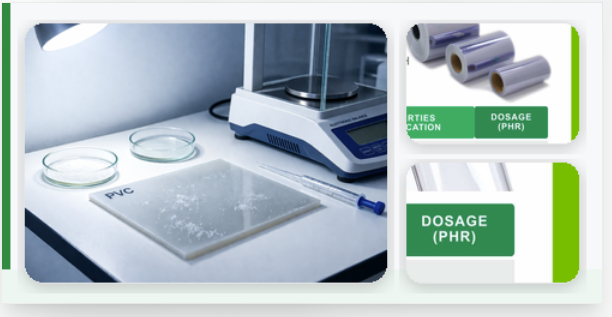
AIMSEA’s product page states that RoHS and REACH compliant options are available for its lead-free calcium-zinc PVC stabilizer solutions. Buyers should confirm whether the documents match their target market and application.
Export document checklist
Document | Why Buyers Need It |
TDS | Confirms product properties, dosage and recommended application |
SDS | Provides safety handling, storage and hazard information |
COA | Shows batch-level quality data |
RoHS report | Supports restricted-substance compliance |
REACH statement/report | Supports EU market access |
Heavy metal report | Checks lead, cadmium, mercury and other restricted metals |
Food contact document | Needed for packaging, food-contact or related PVC |
Medical-related document | Needed for medical tubing or healthcare materials |
Trial report | Shows actual performance under tested formula |
Sample Testing Process for the Best PVC Stabilizer Powder Manufacturer
The best pvc stabilizer powder manufacturer is not simply the lowest-cost supplier. It is the supplier that can provide a practical sample testing process and help buyers reduce approval risk.
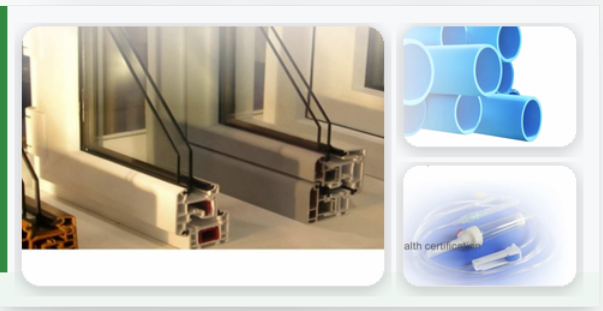
AIMSEA’s contact page invites customers to discuss tailored additive solutions, technical support, samples and expert guidance for product needs. This type of support is important because stabilizer performance must be verified in the buyer’s actual PVC formula and equipment.
Step-by-step trial approval flow
Step | Buyer Action | Supplier Support |
1. Share product details | Provide PVC product type and target market | Recommend initial stabilizer direction |
2. Submit current formula | Share PVC resin, filler, plasticizer, lubricant and current stabilizer | Check compatibility and dosage |
3. Lab sample test | Run aging, color, torque, clarity or Congo red test | Provide test method guidance |
4. Pilot trial | Test on small-scale production equipment | Adjust formula if needed |
5. Production validation | Run on actual line speed and temperature | Evaluate plate-out, color and output stability |
6. Document review | Check SDS, TDS, COA, RoHS, REACH | Confirm export documentation |
7. Bulk approval | Confirm dosage, packaging and lead time | Lock batch quality standard |
Simple approval flow:
Supplier audit → Formula review → Lab test → Pilot trial → Production run → Compliance review → Bulk order approval
Questions to Ask Before Choosing Heat Stabilizer for PVC Manufacturers
Before selecting heat stabilizer for pvc manufacturers, buyers should prepare a supplier audit question list. This makes comparison easier and prevents approval decisions based only on sample price.
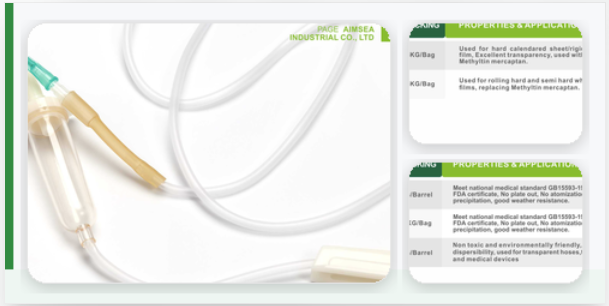
Supplier audit question list
Question | What It Reveals |
Are you a manufacturer or trading company? | Confirms direct production capability |
What PVC applications do you mainly support? | Shows application experience |
Can you customize formulas? | Indicates R&D flexibility |
What tests can you run in-house? | Confirms technical validation ability |
Can you provide batch COA? | Shows quality control process |
Can you support RoHS and REACH documents? | Confirms export compliance support |
Can you help with plate-out, yellowing or odor issues? | Shows troubleshooting ability |
Can you support pilot or production trial? | Confirms real application support |
What packaging options do you offer? | Supports storage and dosing requirements |
What is the normal lead time? | Helps supply chain planning |
Conclusion
Evaluating heat stabilizer for pvc manufacturers should be a structured process. Buyers should review factory qualifications, R&D ability, testing equipment, product consistency, application support, compliance documents and trial support before confirming a supplier.
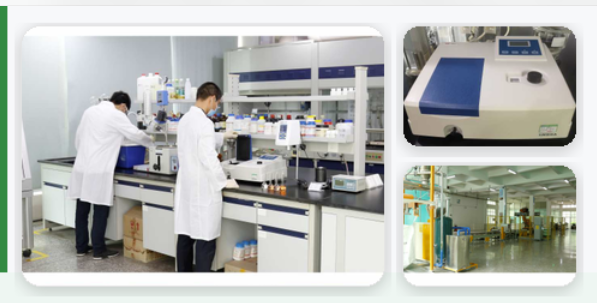
A reliable pvc heat stabilizer manufacturer should help buyers solve real production problems, not only provide a standard sample. The right pvc stabilizer supplier should understand different PVC applications, support formula adjustment and provide documents required for export markets.
For buyers looking for the best pvc stabilizer powder manufacturer, the final decision should be based on verified performance: stable production, consistent batches, complete documents and successful testing under real processing conditions.