
01
Dynamic Heat Stability
Helps the compound withstand repeated heat and shear while maintaining a practical processing window.
Designed for PVC film, sheet and artificial leather production, supporting smooth processing, stable color and lower plate-out.
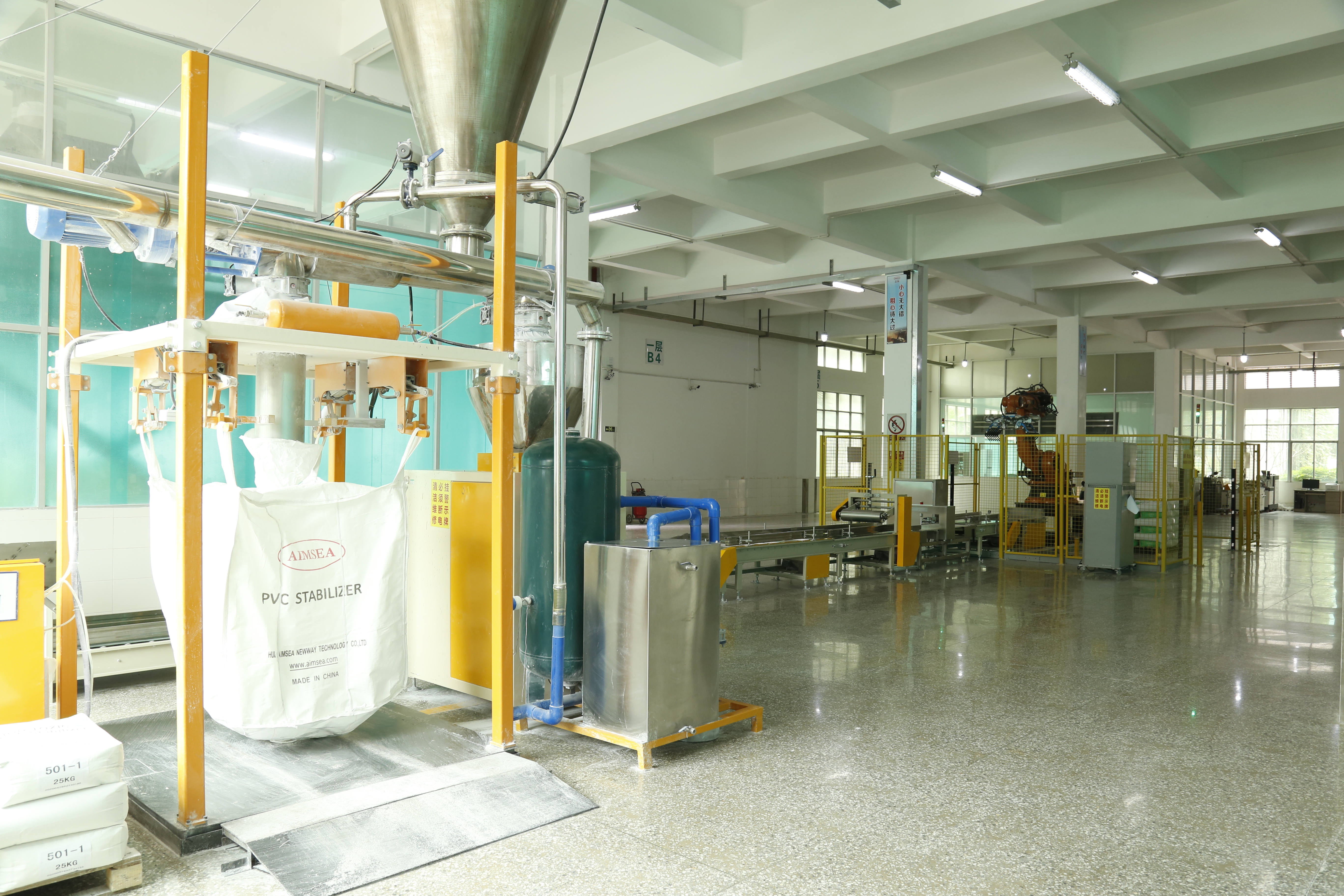
Application-specific calcium zinc stabilizer solutions for PVC film, sheet and artificial leather, supporting dynamic heat stability, cleaner roll processing, consistent color and reliable surface quality.
Repeated heating, mixing and roll contact place different demands on the formulation before a consistent film or sheet surface can be achieved.
PVC calendering forms heated compound into film or sheet through a series of controlled rolls. During this process, the material must maintain suitable flow, color and surface behavior while remaining stable under continued heat and shear.
A well-matched PVC heat stabilizer works with the resin, plasticizer, lubricant, filler and pigment system. Selection should therefore consider the complete formulation, the calendering conditions and the requirements of the finished product.
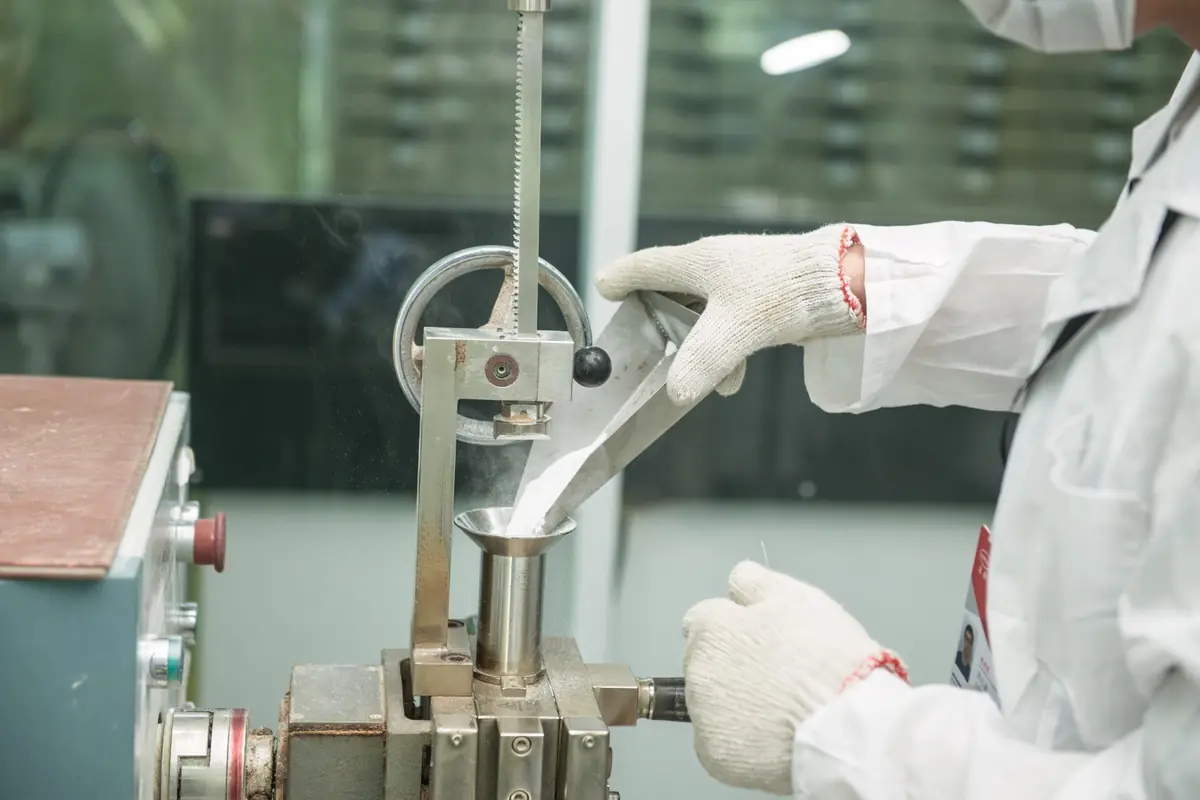
Helps the compound withstand repeated heat and shear while maintaining a practical processing window.
Suitable compatibility and lubrication balance help limit deposits that may affect roll condition and surface quality.
Balanced material behavior supports controlled flow and more consistent film or sheet thickness.
Appropriate stabilization supports initial color, surface appearance and downstream printing or lamination requirements.
Compare three calcium-zinc stabilizer options for flexible film, printed sheet, automotive artificial leather and high-transparency calendered products.
A PVC film stabilizer developed for flexible film and printed sheet applications requiring dynamic stability, processing performance and controlled plate-out.
A PVC artificial leather stabilizer for applications requiring surface performance, compatibility, fluidity, weather resistance and resistance to yellowing.
A PVC heat stabilizer for transparent productsintended for calendered materials where transparency and consistent visual appearance are key selection requirements.
AIMSTA-828 is intended for flexible film and printed sheet, AIMSTA-2913 for automotive artificial-leather skin layers and AIMSTA-818 for calendered products where transparency is the primary requirement. Final selection should consider the resin, plasticizer, lubricant system, line conditions and finished-product requirements.
Review the recommended application, performance focus and starting dosage range of each product before arranging a line trial.
| Product | Recommended Application | Properties and Selection Focus | Form and Packing | Dosage (PHR) |
|---|---|---|---|---|
| AIMSTA-828 | Flexible film and printed sheet | Dynamic stability, printing performance, processing behavior, controlled plate-out and aging resistance |
Powder 25KG/Bag |
2–3 |
| AIMSTA-2913 | Automotive artificial-leather skin layers | Surface behavior, compatibility, fluidity, weather resistance and yellowing resistance |
Powder 25KG/Bag |
1.5 |
| AIMSTA-818 | High-transparency calendered products | Transparency, visual appearance and suitability for clear-product formulations |
Powder 25KG/Bag |
1.8–2.5 |
Recommended dosage is a starting reference and should be confirmed according to the formulation and actual line conditions.
Share your film, sheet or artificial-leather application, formulation conditions, transparency requirement and current processing issue. AIMSEA can recommend a suitable option for technical evaluation and controlled line trials.
Product form, formulation balance, downstream processing and actual line conditions should be reviewed before confirming a stabilizer for calendered film, sheet or artificial leather.
Define whether the material is flexible film, semi-rigid sheet, printed material, artificial-leather skin or a product requiring high transparency.
Resin type, plasticizer level, lubricant package, filler and pigment system influence stability, fusion, flow and roll condition.
Transparency, initial color, printability, lamination and surface appearance should be defined according to the finished material.
Temperature profile, line speed, residence time, roll condition and the current processing issue should be included in the evaluation.
Application-specific calcium-zinc systems provide lead-free stabilization options for calendered PVC formulations that require a suitable balance of heat stability, processability and finished-surface performance.
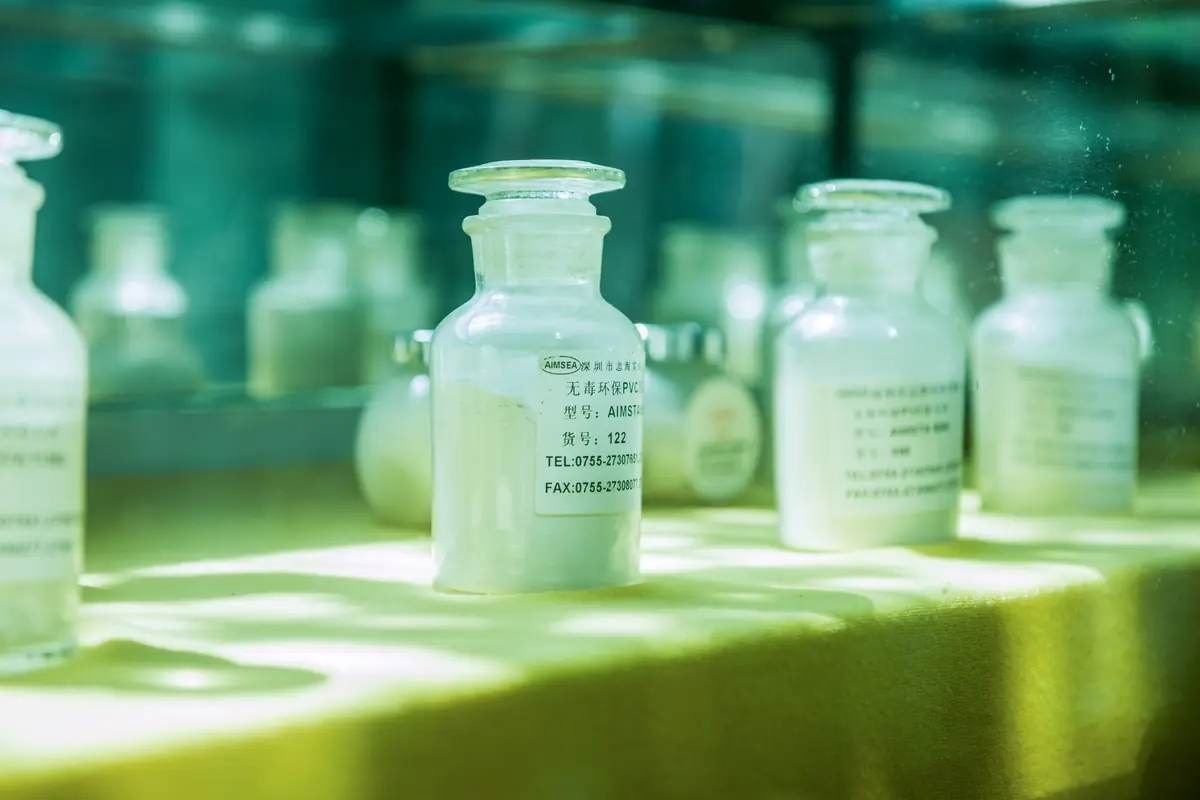
Stabilizer evaluation should consider the complete compound rather than one additive in isolation. Controlled trials help confirm color hold, roll cleanliness, surface quality and processing behavior under actual line conditions.
A practical evaluation process helps match the stabilizer to the finished product, compound formulation and actual calendering conditions.
Provide the resin, plasticizer, filler, pigment, lubricant and current stabilizer information. A complete PVC stabilizer formulationreview helps identify compatibility and processing factors that may affect the result.
Clarify the finished material, flexibility, transparency, color, printing or lamination requirements, as well as any odor, weathering or aging considerations.
Run controlled trials under relevant temperature, speed and residence-time conditions. Compare color hold, roll cleanliness, material flow, thickness consistency and surface appearance.
Share your formulation, finished-product requirements and current line issue to receive a more relevant product and trial direction.
Purchasing questions about application matching, product selection, dosage references, technical documents and sample requests.
Not automatically. Flexible film, printed sheet, artificial-leather skin layers and high-transparency products can require different balances of heat stability, compatibility, surface behavior, clarity and aging performance. The product should be selected according to the finished material and its processing requirements.
AIMSTA-828 is intended for flexible film and printed sheet, AIMSTA-2913 for automotive artificial-leather skin layers, and AIMSTA-818 for calendered products where transparency is the main requirement. These application directions provide an initial reference, while final selection should be confirmed against the actual formulation and line conditions.
Yes. Surface behavior, color stability and compatibility with the selected ink or adhesive system can affect the result. Printing or lamination requirements should therefore be defined before confirming a product for printed or laminated calendered materials.
The listed phr values are starting references rather than fixed settings for every compound. Resin, plasticizer, filler, pigment, lubricant balance and operating conditions can affect the appropriate dosage, which should be confirmed through evaluation under relevant line conditions.
Buyers can ask about the available TDS, SDS, COA format and relevant product documentation for the selected model. AIMSEA can also discuss sample availability after reviewing the intended calendered PVC application and initial product direction.
Tell AIMSEA whether you manufacture flexible film, printed sheet, artificial-leather skin layers or high-transparency products, and request a suitable product direction, technical information or sample.