
01
Thermal Stability
An appropriate heat stabilizer for PVC pipes helps limit degradation caused by processing heat and supports stable production conditions.
Heat-stable and cost-effective stabilizer systems for water pipes, drainage pipes, conduits and injection-molded fittings.
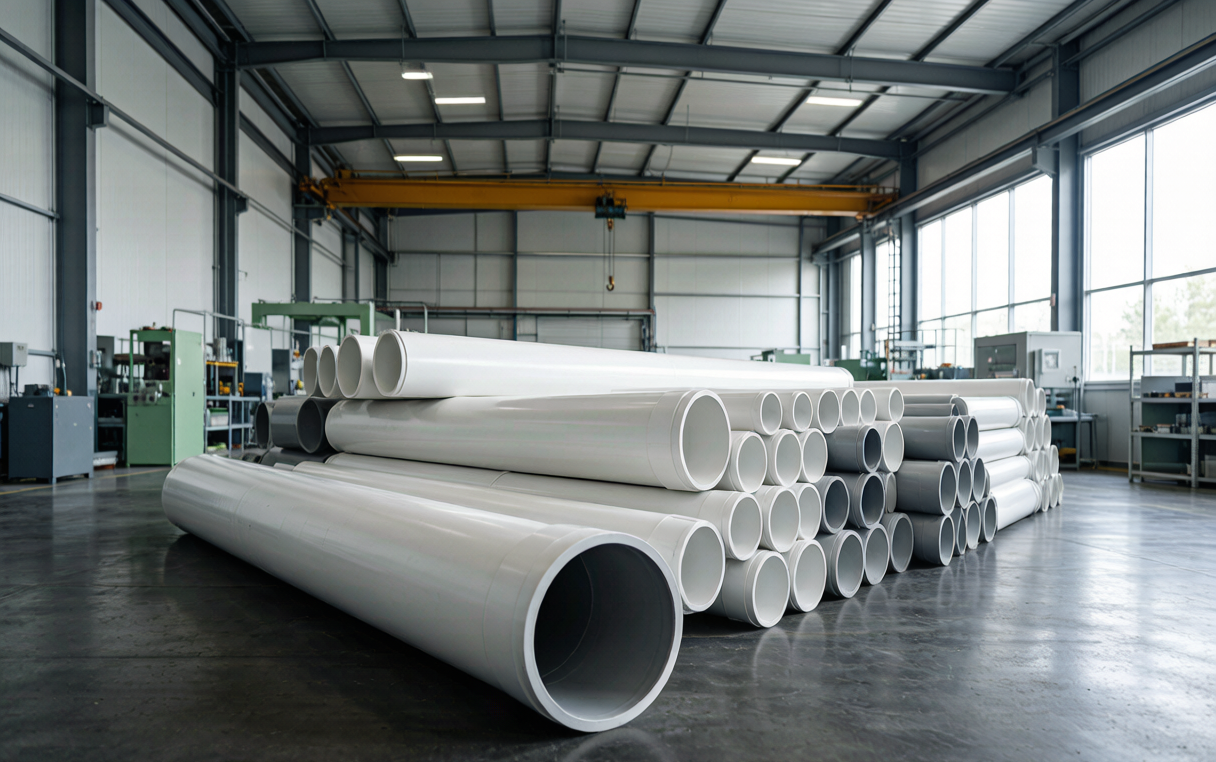
Application-specific calcium zinc stabilizer for PVC pipe and fitting production, supporting thermal stability, consistent processing and reliable performance during extrusion and injection molding.
PVC pipes and fittings require suitable heat stabilization to maintain consistent processing, initial color and finished-product quality during extrusion and injection molding.
PVC is sensitive to prolonged heat exposure during processing. Without an appropriate PVC pipe stabilizer, manufacturers may experience degradation, discoloration and unstable production behavior.
As one of the key PVC pipe additives, the stabilizer should be selected according to the finished product, processing method, formulation conditions and required balance between heat stability and lubrication.
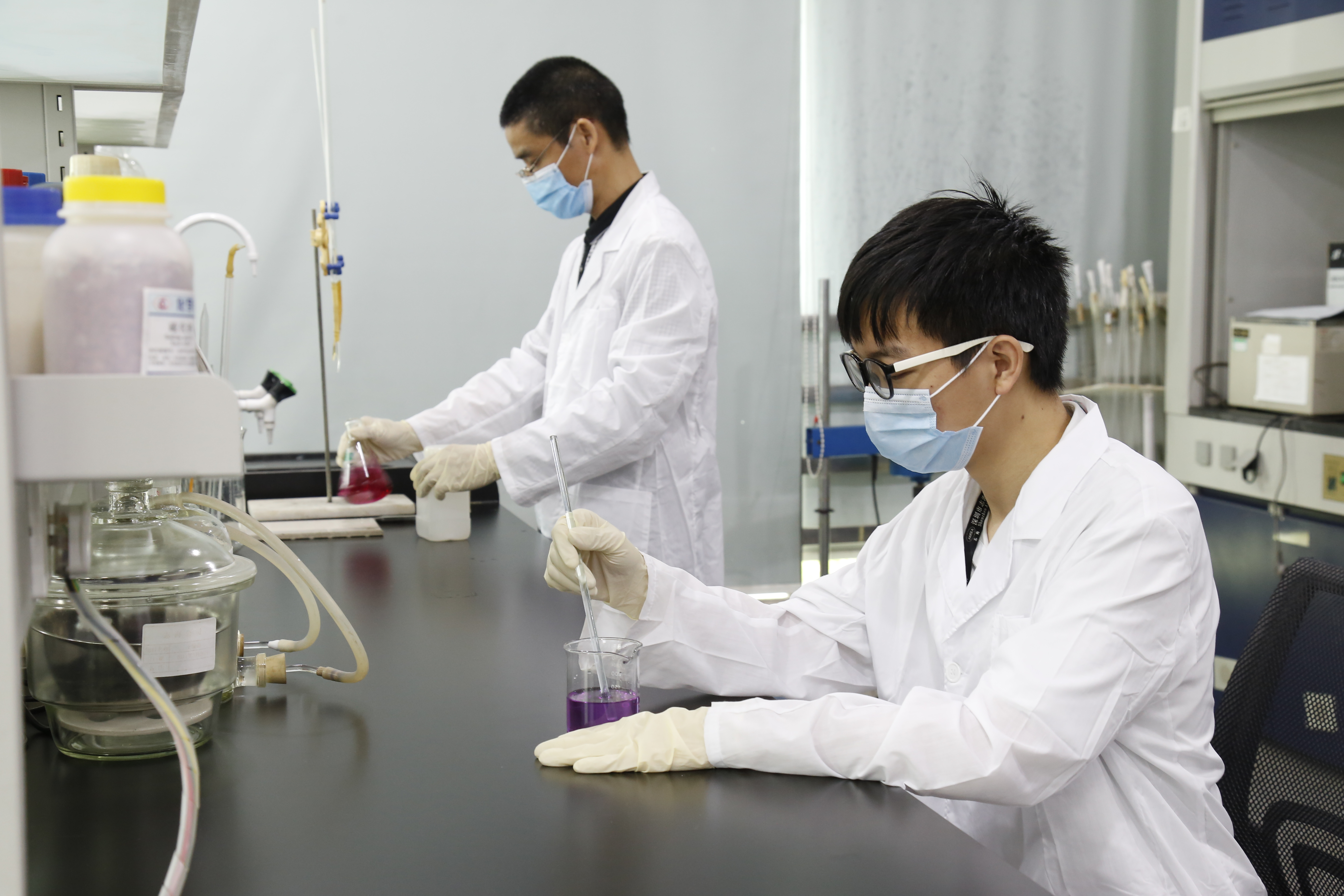
An appropriate heat stabilizer for PVC pipes helps limit degradation caused by processing heat and supports stable production conditions.
A balanced PVC pipe extrusion stabilizer supports consistent material behavior and helps reduce fluctuations during continuous extrusion.
Suitable stabilization helps control initial color and maintain a consistent appearance across water pipes, drainage pipes, electrical conduits and molded fittings.
Compare four application-specific products for water supply pipes, drainage pipes, electrical conduits and injection-molded fittings based on processing method and performance priority.
A calcium zinc stabilizer for PVC water pipes developed to provide reliable thermal stability and consistent material behavior during continuous extrusion.
A PVC drainage pipe stabilizer for formulations requiring good initial color and consistent material behavior throughout the extrusion run.
A PVC electrical conduit stabilizer for electrical protection pipes requiring stable extrusion and controlled initial appearance.
A PVC fitting stabilizer providing heat stability, balanced lubrication and release performance for fittings and other injection-molded products.
AIMSTA-C500P is intended for water supply pipes, AIMSTA-C501 for drainage pipes and AIMSTA-C506 for electrical conduits. AIMSTA-C508 is designed for fittings and other injection-molded products requiring balanced lubrication and release. Final selection should be confirmed through formulation evaluation and controlled line trials.
Review the application, processing method, performance focus and recommended dosage of each product.
| Product | Recommended Application | Processing Method | Selection Focus | Dosage (PHR) |
|---|---|---|---|---|
| AIMSTA-C500P | Water supply pipes | Extrusion | Thermal stability during continuous extrusion | 2.5–4.5 |
| AIMSTA-C501 | Drainage pipes | Extrusion | Initial color and processing consistency | 2.5–4.5 |
| AIMSTA-C506 | Electrical conduit pipes | Extrusion | Initial color and stable conduit extrusion | 3–4 |
| AIMSTA-C508 | Pipe fittings and molded products | Injection molding | Heat stability, lubrication and release | 4–6 |
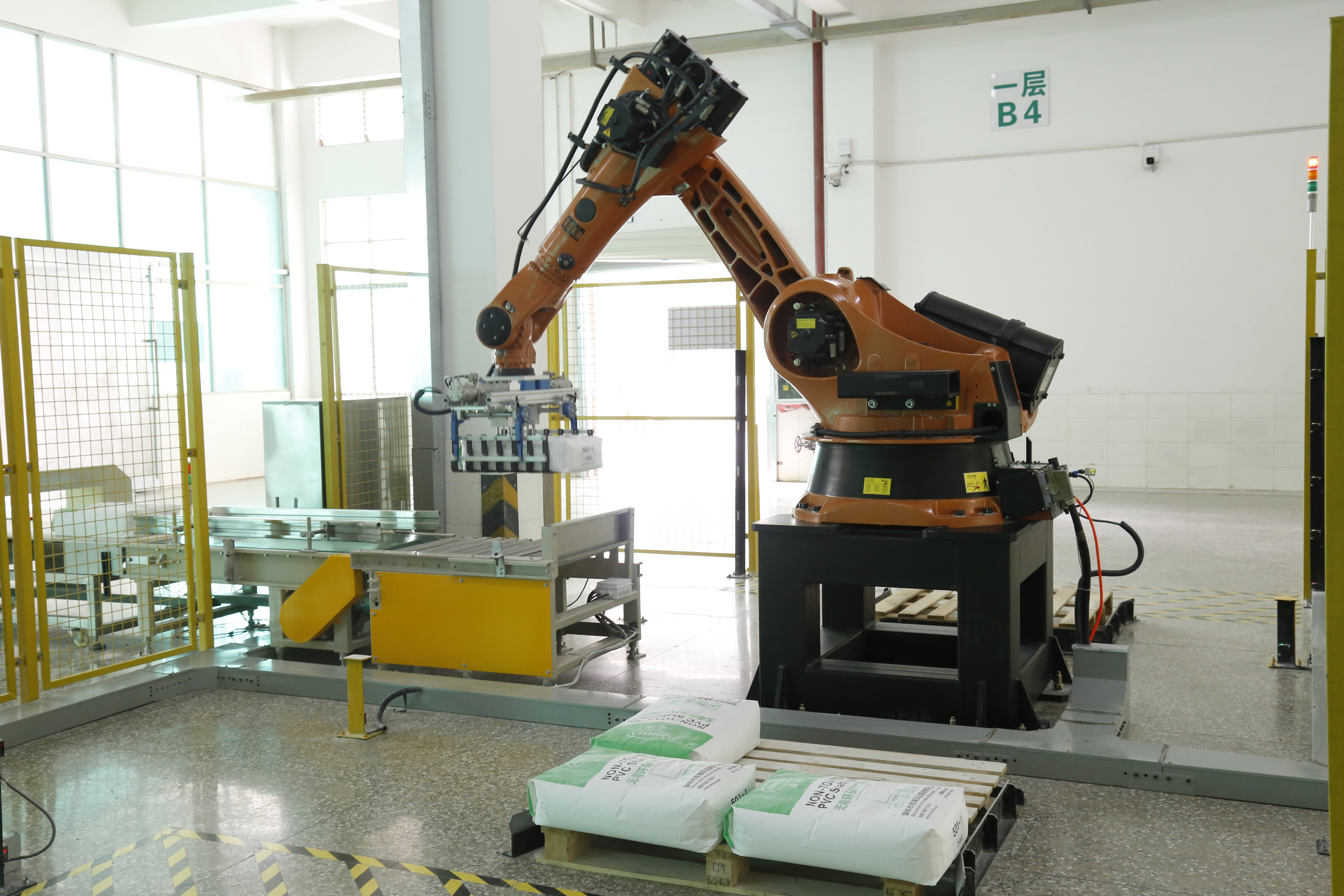
Standard form and packing: Powder, 25KG/Bag.
Share your pipe or fitting application, processing method, current formulation and key performance requirements. AIMSEA can recommend a suitable option for technical evaluation and controlled line trials.
Match the stabilizer system to the finished product, processing method, formulation conditions and main production requirements.
Determine whether the formulation is intended for water supply pipes, drainage pipes, electrical conduits or injection-molded fittings.
Extrusion and injection molding require different balances of thermal stability, lubrication, material flow and release performance.
Identify whether the main requirement is longer heat stability, better initial color, more consistent processing or improved mold release.
Resin type, existing formulation, processing temperature and production output should be evaluated before confirming a product.
Calcium zinc systems provide lead-free stabilization options for pipe and fitting formulations that require reliable heat stability and consistent processing.
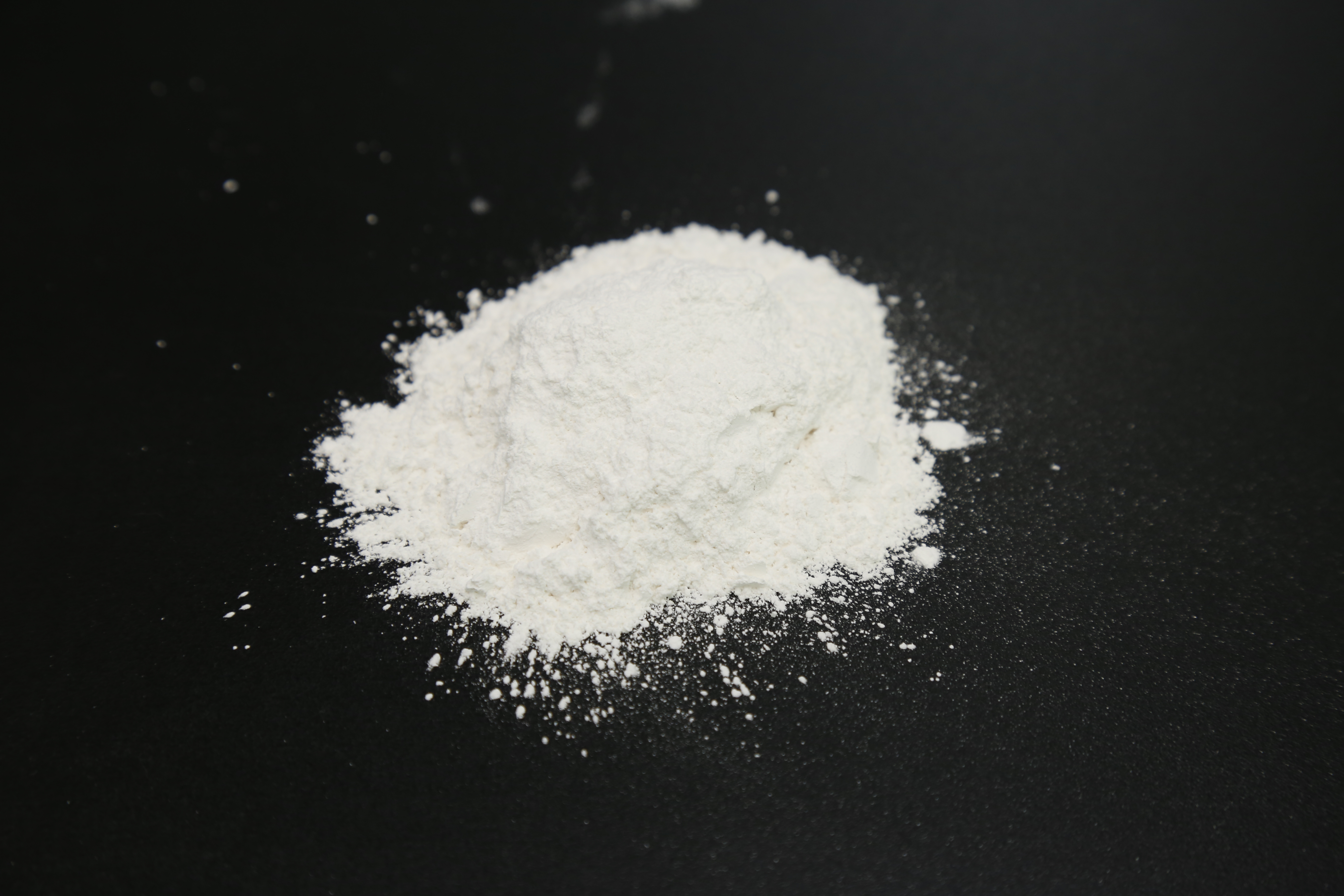
One-pack systems combine stabilization and other functional components in a prepared solution, helping simplify material handling and maintain more consistent dosing during production.
As a PVC pipe stabilizer supplier, AIMSEA provides product matching, formulation evaluation and processing guidance for different pipe and fitting requirements.
| Evaluation Focus | Technical Consideration |
|---|---|
| Thermal Stability | Select a stabilizer system according to the processing window, heat exposure and expected production conditions. |
| Extrusion Consistency | Evaluate how the stabilizer and lubrication balance interact with resin, fillers and extrusion settings. |
| Initial Color | Consider the required starting appearance alongside heat stability and processing behavior. |
| Lubrication Balance | Match material flow and release requirements to extrusion or injection-molding conditions. |
| Lead-Free Requirements | Review suitable stabilization options according to the application, formulation and target-market requirements. |
Custom PVC stabilizer formulation support can account for the finished product, existing additive package and actual processing conditions.
Technical guidance helps narrow the suitable product options and define the factors that should be checked during controlled production trials.
Product planning and ongoing communication help align material availability with regular purchasing and manufacturing schedules.
Quality management focuses on maintaining consistent supplied material for repeat orders and ongoing formulation use.
Practical answers about product matching, dosage evaluation, technical data, samples and purchasing preparation.
Provide the finished product type, processing method, PVC resin, current formulation, operating temperature, output target and the main issue to be addressed. Details about initial color, thermal stability, lubrication, plate-out, material flow or mold release help narrow the suitable product options. The recommendation should then be evaluated under the customer’s actual formulation and equipment conditions.
A single product may not provide the best balance for every pipe application. Water supply pipes, drainage pipes and electrical conduits can have different priorities for thermal stability, initial color, lubrication and extrusion consistency. The product should therefore be matched to the finished pipe, formulation and line conditions rather than selected only by its general application range.
Not necessarily. Most rigid PVC pipes are manufactured by continuous extrusion, while many fittings are produced by injection molding. Fitting formulations may require a different balance of material flow, lubrication and mold release. AIMSTA-C500P, AIMSTA-C501 and AIMSTA-C506 are positioned for specific pipe applications, while AIMSTA-C508 is intended for fittings and other injection-molded products.
The dosage ranges shown on this page provide a preliminary reference rather than a fixed formula. The appropriate addition level depends on the resin, fillers, lubricants, other additives, processing temperature and equipment conditions. Begin with the recommended range, evaluate the material through controlled trials and adjust one variable at a time before confirming the final production formulation.
Buyers can contact AIMSEA with their pipe or fitting application, current formulation and processing requirements to discuss technical information and sample evaluation. Providing clear application and line-condition details helps the team recommend a more relevant product for testing. Any sample should be verified in the customer’s own formulation and production environment before commercial use.
Share your application, processing method, formulation and performance priorities to discuss suitable products, technical information and sample evaluation.