
Zinc Burning in Ca-Zn Stabilizers: Causes and Prevention
Read:97
Source:
A PVC sample may show good initial color and acceptable early heat stability, then suddenly turn yellow, brown or black. In a calcium zinc stabilizer system, this rapid loss of color can indicate zinc burning.
Zinc burning does not mean that zinc or PVC is literally burning. It describes a sudden acceleration of PVC thermal degradation associated with the catalytic effect of accumulated zinc chloride, or ZnCl₂.
However, not every black spot, dark streak or burnt deposit is caused by zinc burning. Equipment dead zones, excessive residence time, contaminated regrind, carbonized plate-out and local overheating can produce similar defects.
A reliable diagnosis must therefore combine the color-change pattern, formulation review, static and dynamic testing, processing data and controlled comparison trials.
What Is Zinc Burning in PVC?
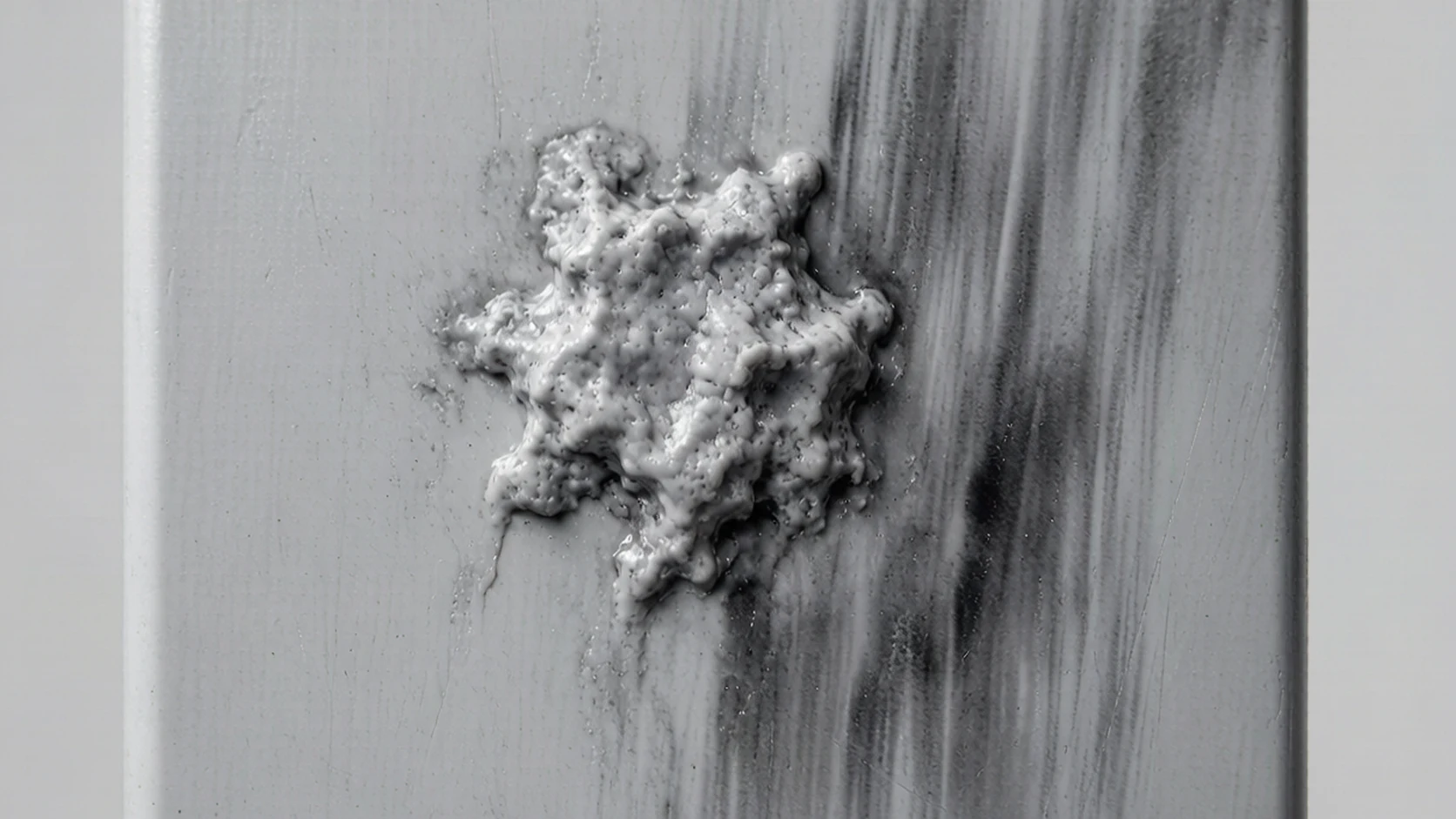
PVC begins to degrade when heat causes hydrogen chloride, or HCl, to separate from the polymer chain. The newly formed unsaturated structures make the material increasingly sensitive to further degradation and discoloration.
A PVC heat stabilizer slows this process by replacing unstable chlorine sites, absorbing HCl and controlling the reactions that accelerate degradation.
In a calcium zinc PVC stabilizer:
· Zinc carboxylates help replace unstable chlorine sites and support good initial color.
· This reaction produces ZnCl₂.
· Calcium carboxylates can react with ZnCl₂, regenerate active zinc carboxylates and form less catalytically active calcium chloride.
· Co-stabilizers help absorb HCl, bind ZnCl₂ or protect the PVC through additional mechanisms.
Zinc burning develops when ZnCl₂ is generated faster than the complete stabilizer system can deactivate, exchange or capture it.
Because ZnCl₂ is a strong Lewis acid, its accumulation can catalyze further dehydrochlorination. After an initial induction period, degradation may accelerate rapidly and cause sudden darkening.
Why Does PVC Look Good Before Suddenly Turning Black?
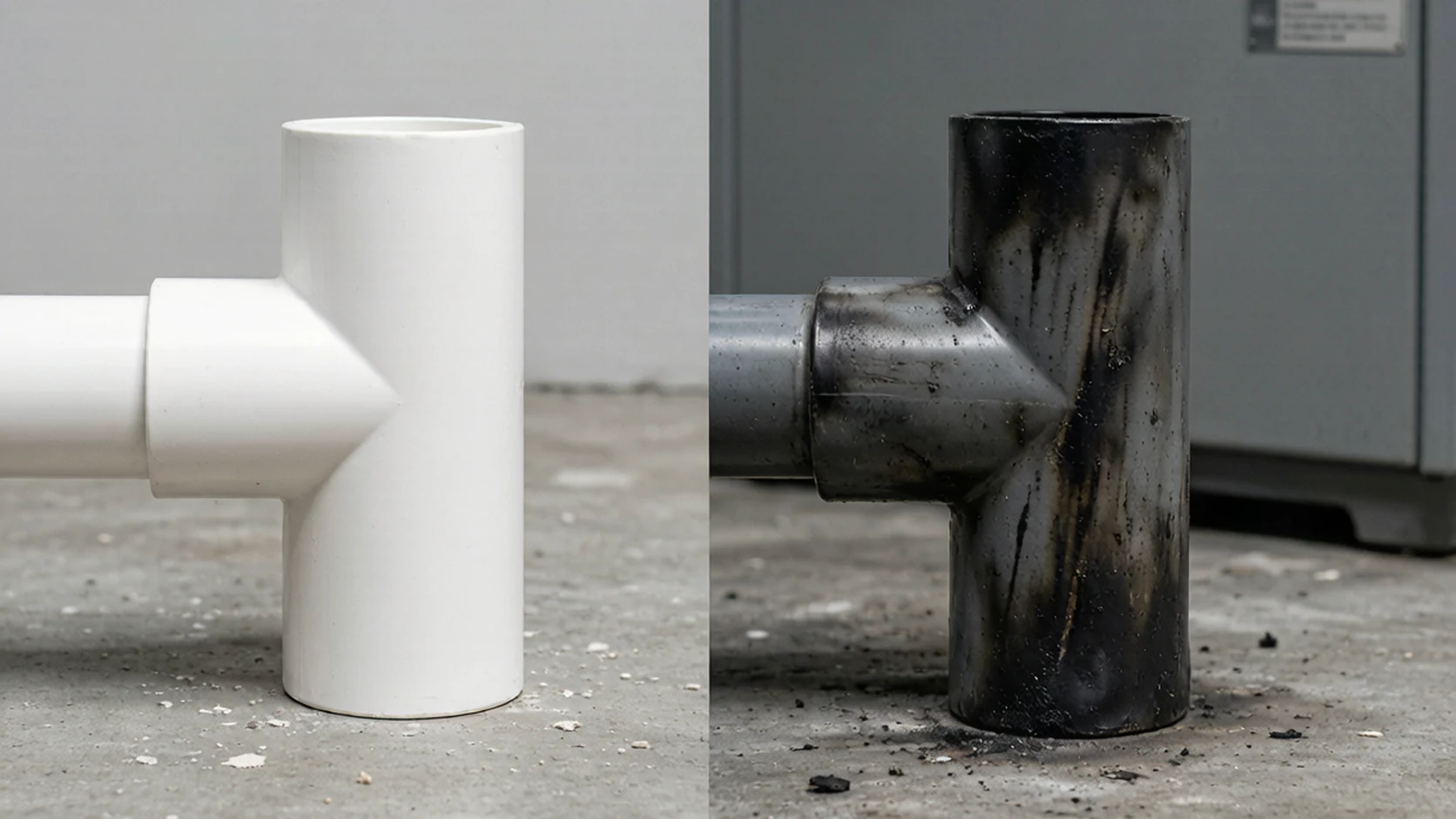
The early and late stages of a calcium zinc stabilizer formulation are controlled by different parts of the stabilizer package.
Zinc components are highly effective for initial color. They can act quickly on unstable chlorine sites before strong discoloration develops.
This explains why a formulation can initially produce:
· A clean white color
· Low yellowness
· Good transparency
· An attractive first oven-aging sample
At the same time, ZnCl₂ gradually forms. If the calcium component, HCl scavengers and chelating co-stabilizers cannot control it, degradation can suddenly accelerate.
The typical pattern is:
1. Good initial color
2. Relatively stable induction period
3. Rapid yellowing or browning
4. Sudden darkening or blackening
This time-dependent change is more characteristic of zinc-burning behavior than a product that begins with poor color immediately.
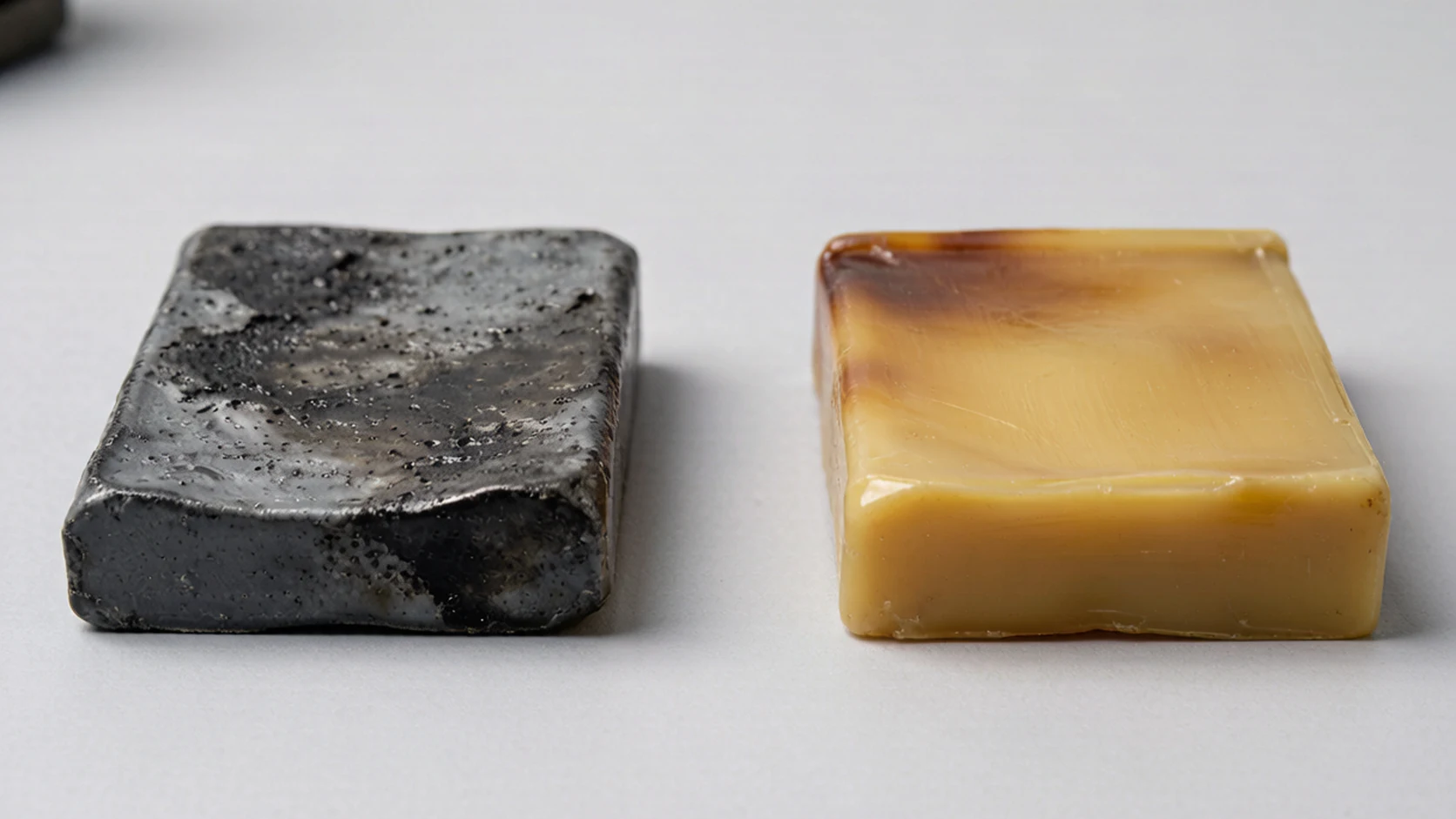
Zinc Burning vs Normal PVC Degradation
Comparison | Zinc Burning | Normal Thermal Degradation |
Typical system | Zinc-containing stabilizer systems | Any PVC formulation |
Color pattern | Good early color followed by rapid darkening | More gradual yellowing and browning |
Main catalytic factor | Accumulated ZnCl₂ | Heat, oxygen, shear and stabilizer depletion |
Common trigger | Unbalanced Ca-Zn system and high thermal history | Excess temperature, residence time or insufficient stabilization |
Diagnostic focus | Zn activity, Ca capacity and co-stabilizers | Total formulation, equipment and processing conditions |
Main risk | Sudden loss of long-term stability | Progressive degradation |
The distinction is not always visible from one finished product.
For example, a black streak appearing only on one side of an extrusion may indicate a die dead zone rather than zinc burning throughout the formulation. Black specks appearing after a shutdown may result from retained material that has carbonized.
Common Causes of Zinc Burning
1. Excessive Zinc Activity
Zinc is useful for maintaining initial color, so simply describing it as an undesirable component is inaccurate.
The problem arises when the zinc contribution is too high relative to the system’s ability to control the resulting ZnCl₂.
This may occur when:
· Zinc carboxylate content is too high
· A higher-zinc stabilizer replaces the previous grade
· Additional zinc stearate is introduced elsewhere in the formulation
· Stabilizer dosage is increased without recalculating total zinc contribution
· Several additives contribute zinc simultaneously
Increasing the dosage of a calcium zinc heat stabilizer can therefore worsen sudden darkening if it also increases active zinc without sufficient supporting co-stabilization.
2. Insufficient Calcium Contribution
Calcium carboxylates help reduce ZnCl₂ accumulation through exchange reactions.
If the calcium contribution is insufficient, ZnCl₂ may accumulate more rapidly. However, simply adding more calcium is not always the correct solution.
A higher calcium level may also affect:
· Initial color
· Transparency
· Fusion behavior
· Lubrication
· Plate-out
· Surface appearance
The correct Ca/Zn balance depends on the PVC resin, application, processing conditions and complete additive package. There is no universal Ca/Zn ratio suitable for every calcium zinc stabilizer formulation.
3. Insufficient Co-Stabilization
Modern Ca-Zn stabilizers are not simply mixtures of calcium and zinc soaps. Their long-term performance depends heavily on co-stabilizers.
Important functional groups include:
· Polyols
· β-diketones
· Epoxy compounds such as ESBO
· Organic phosphites
· Hydrotalcites
· Zeolites
· Antioxidants
· Other acid scavengers and chelating agents
An under-designed supporting system may deliver good initial color but inadequate long-term PVC thermal stability.
4. Excessive Melt Temperature
Machine temperature settings do not always represent the actual PVC melt temperature.
Friction and shear can raise the material temperature above the barrel settings, especially when:
· Screw speed increases
· Output increases
· Lubrication is insufficient
· Filler loading is high
· The screw or die creates excessive resistance
· The material fuses too early
Higher thermal exposure accelerates stabilizer consumption and ZnCl₂ formation, reducing the induction period before zinc burning appears.
5. Long Residence Time
Material retained in adapters, dies, injection barrels or equipment dead zones receives more heat history than the main material flow.
This can produce local dark streaks or black particles even when most of the product remains acceptable.
Long residence time becomes especially important during:
· Production interruptions
· Low-output operation
· Injection-molding delays
· Blocked downstream equipment
· Slow machine restart
· Frequent stopping and starting
6. Lubricant Imbalance
Lubrication affects fusion, friction, melt temperature and residence behavior.
Insufficient lubrication may cause:
· Early fusion
· High torque
· Higher frictional heat
· Increased machine load
· Faster stabilizer consumption
Excessive external lubrication may cause:
· Delayed fusion
· Incomplete plasticization
· Additive separation
· Plate-out
· Poor surface quality
A one pack PVC stabilizer may already contain internal and external lubricating components. Adding the previous lubricant package without recalculation can disturb the complete balance.
7. Poor Mixing and Dispersion
Uneven stabilizer distribution can create local areas with different calcium, zinc and co-stabilizer concentrations.
Possible causes include:
· Insufficient hot mixing
· Poor additive feeding
· Stabilizer agglomeration
· Incorrect addition sequence
· Inadequate cooling
· High moisture
· Uneven recycled-material distribution
Local zinc-rich regions may degrade differently from the rest of the compound.
8. Regrind and Additional Heat History
Recycled PVC has already consumed part of its original stabilizer protection.
Increasing regrind may shorten the remaining induction period and make sudden darkening appear earlier.
The effect depends on:
· Number of previous processing cycles
· Regrind color
· Previous stabilizer system
· Contamination
· Storage condition
· Regrind particle consistency
Regrind should be treated as a formulation variable rather than as a neutral replacement for virgin PVC.
How Co-Stabilizers Help Prevent Zinc Burning?
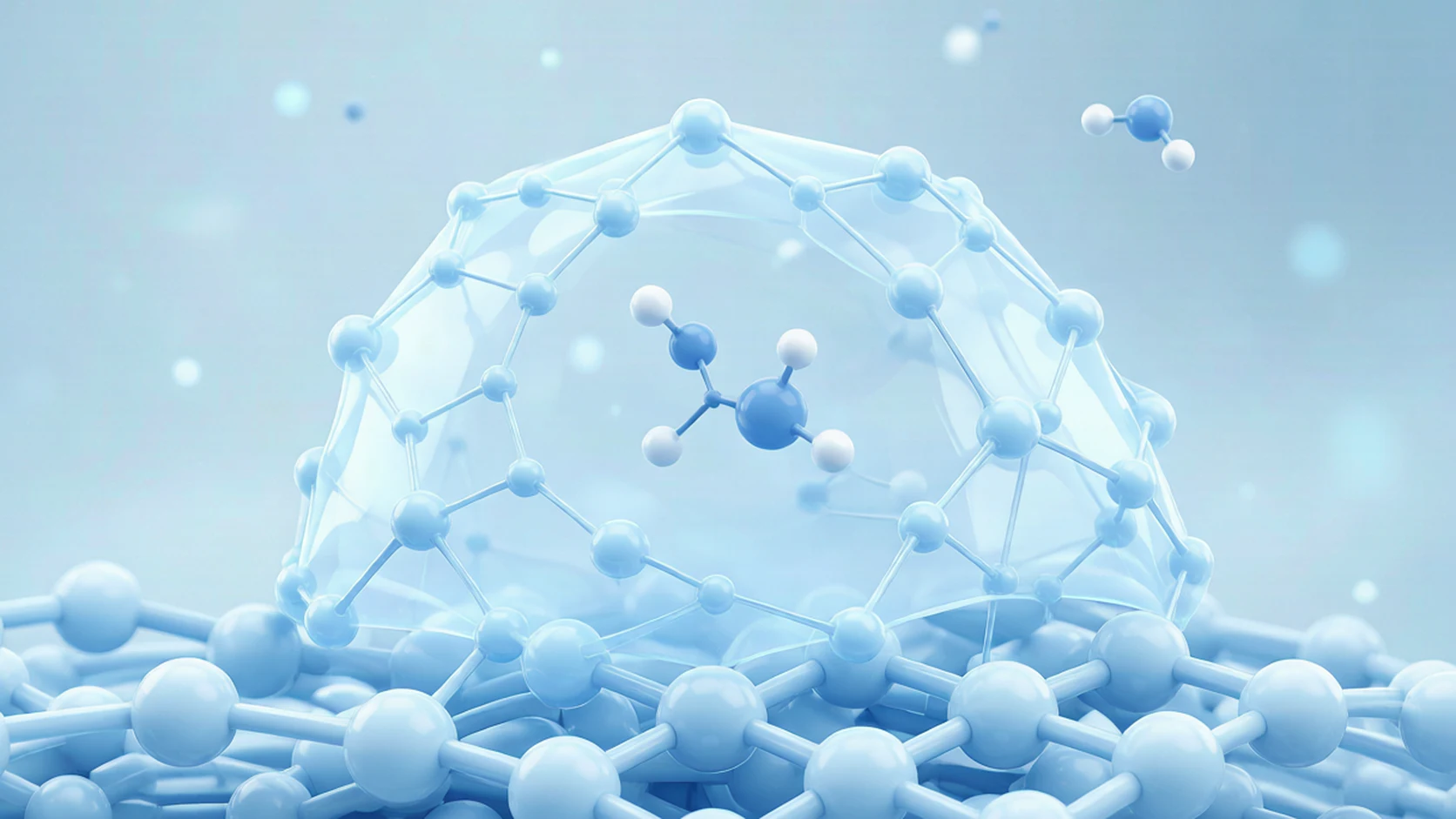
Different co-stabilizers perform different functions. They should not be treated as interchangeable ingredients.
Co-Stabilizer Type | Main Function | Factors to Recheck |
Polyols | Bind or reduce the catalytic activity of ZnCl₂ | Dispersion, initial color and compatibility |
β-Diketones | Improve initial color and support zinc stabilization | Dosage balance and long-term performance |
Epoxy compounds | Absorb HCl and support long-term stability | Migration, plasticizing effect and odor |
Organic phosphites | Support color and control metal-related degradation | Hydrolytic stability and compatibility |
Hydrotalcites | Capture acidic degradation products | Dispersion, transparency and surface quality |
Zeolites or mineral scavengers | Absorb HCl and support long-term protection | Moisture, particle size and plate-out |
Antioxidants | Reduce oxidative degradation | Color, volatility and additive interaction |
A hydrotalcite PVC stabilizer component, for example, may improve acid-scavenging capacity, but its particle quality and dispersion still need to match the application.
The best combination depends on whether the priority is initial color, transparency, long-term heat stability, low plate-out, electrical performance or another finished-product requirement.
How to Confirm the Real Cause?

Do not diagnose zinc burning from one dark product alone.
Step 1: Record the Color Timeline
Check whether the material:
· Starts with poor color
· Gradually yellows
· Remains light for a period and then darkens rapidly
· Develops only local black streaks
· Produces black specks only after restart
The timing and distribution of the defect help distinguish formulation-wide zinc burning from local equipment problems.
Step 2: Compare Static Oven-Aging Samples
Prepare control and candidate formulations using identical:
· PVC resin
· Stabilizer dosage
· Lubricants
· Fillers
· Sample thickness
· Test temperature
· Sampling intervals
A rapid change after a relatively good early color is an important zinc-burning indicator.
Static oven aging is useful for observing color progression, but it should be combined with dynamic processing tests.
Step 3: Test HCl Release
Useful methods include:
· Congo Red
· Conductivity testing
· Dehydrochlorination testing
A dehydrochlorination curve can be particularly useful because zinc burning may appear as a sharp increase in the HCl-release rate after an induction period.
Congo Red gives a screening time but may not show the complete acceleration pattern.
Step 4: Run a Dynamic Test
Use a two-roll mill, torque rheometer or laboratory extruder to observe behavior under heat and shear.
Record:
· Fusion time
· Peak torque
· Equilibrium torque
· Material temperature
· Stable processing period
· Color development
· Time to rapid degradation
A calcium zinc PVC stabilizer may pass static testing but fail earlier under high shear if the lubrication and stabilizer system are not balanced.
Step 5: Eliminate Equipment Causes
Before changing the formulation, inspect:
· Screw and barrel
· Adapter
· Die channels
· Die lips
· Calibrator
· Heating zones
· Thermocouples
· Dead zones
· Existing plate-out
If black material repeatedly appears from the same location, equipment retention or local overheating may be more likely than uniform zinc burning.
Step 6: Use a Single-Variable A/B Trial
Possible controlled comparisons include:
· Current stabilizer vs candidate stabilizer
· Lower zinc contribution
· Higher calcium or acid-scavenging capacity
· Additional chelating co-stabilizer
· Lower actual melt temperature
· Adjusted lubricant balance
· Lower regrind percentage
Change one variable at a time. Otherwise, the true cause cannot be identified.
Step-by-Step Prevention Strategy
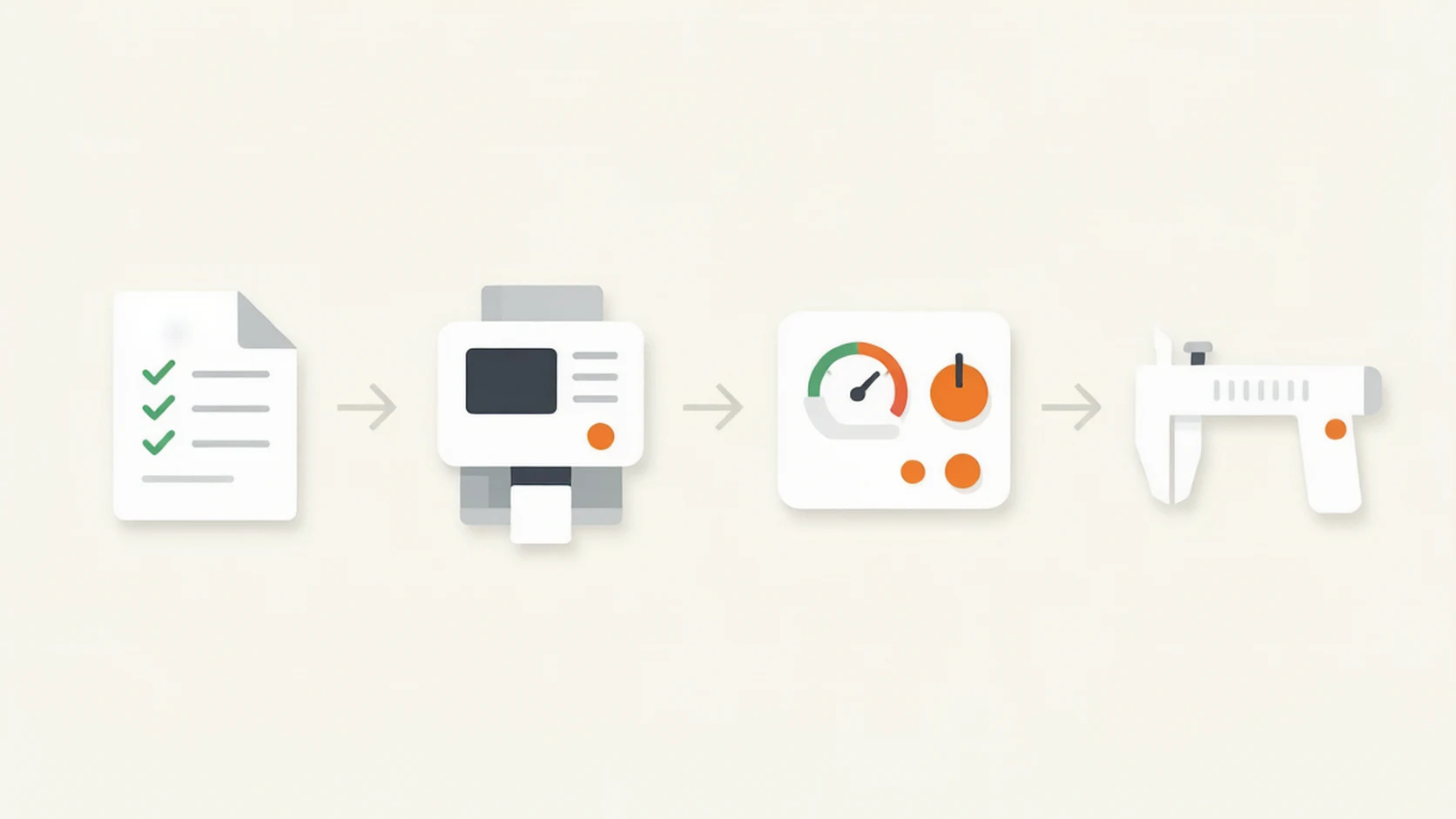
1. Establish a Qualified Control
Record the current formulation, oven-aging sequence, torque curve and production behavior.
2. Review Total Zinc Contribution
Include zinc from:
· Main stabilizer
· Zinc stearate
· Other metal soaps
· Pigments or specialty additives where relevant
3. Balance Initial and Long-Term Stability
Do not optimize only for the first color sample. Compare the complete aging sequence and time to rapid darkening.
4. Strengthen the Supporting System
Select polyols, β-diketones, epoxy compounds, phosphites or mineral acid scavengers according to their actual function.
5. Rebalance Lubrication
Control fusion, friction and actual melt temperature without creating excessive external lubrication or plate-out.
6. Reduce Unnecessary Thermal History
Review:
· Hot-mixing conditions
· Screw speed
· Output
· Residence time
· Melt temperature
· Shutdown procedures
· Regrind percentage
7. Validate Under Real Production Conditions
A short laboratory sample cannot prove long-run resistance to color drift, plate-out or stop-and-restart degradation.
Troubleshooting Matrix

Symptom | Possible Direction | First Check |
Poor color from the beginning | Weak initial stabilization, contamination or pigment issue | Raw materials and initial-color package |
Good initial color followed by sudden blackening | Zinc-burning direction | Zn contribution, Ca balance and co-stabilizers |
Gradual yellow-to-brown change | General heat-stability limitation | Total dosage and thermal history |
Black streak from one die location | Dead zone or local overheating | Die, heater and retained material |
Black specks after shutdown | Insufficient residual stability or carbonized residue | Residence time and restart procedure |
Faster blackening after increasing stabilizer | Excess active zinc or formulation imbalance | Total metal contribution |
Darkening with high torque | Excess friction and melt temperature | Lubricants, screw speed and fusion |
Darkening with plate-out | Additive separation plus degraded deposits | Lubrication and deposit analysis |
Problem rises with regrind | Reduced residual stability | Regrind history and percentage |
How to Verify That Zinc Burning Has Been Prevented?
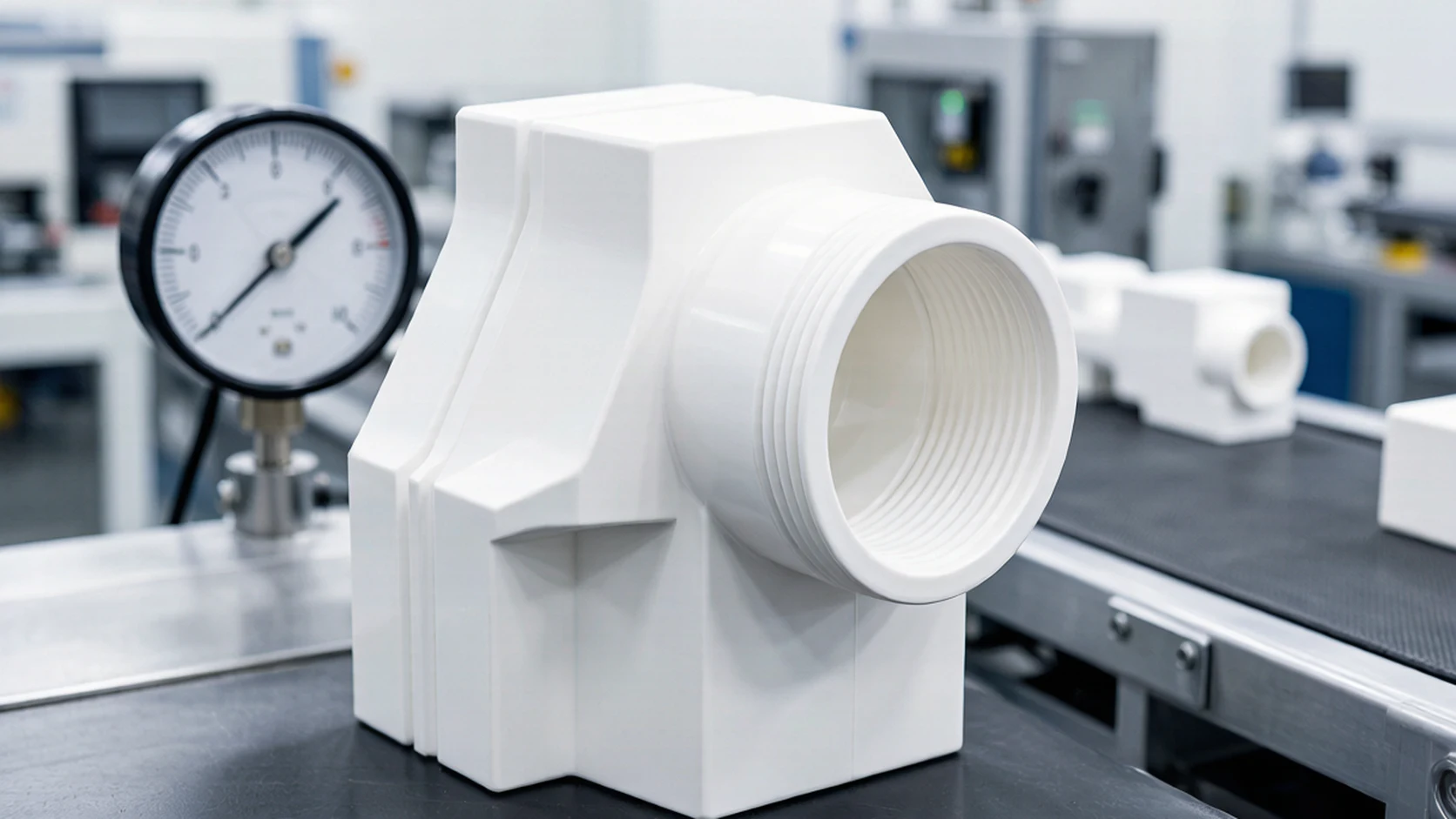
Track more than the final blackening time.
A successful adjustment should improve:
· Initial color
· Oven-aging color sequence
· Time to rapid darkening
· HCl-release profile
· Dynamic processing stability
· Fusion time
· Torque stability
· Actual melt temperature
· Long-run color consistency
· Stop-and-restart scrap
· Plate-out and die cleanliness
· Finished-product properties
The selected adjustment should repeatedly delay sudden darkening without creating new problems in transparency, fusion, output, surface quality or plate-out.
Frequently Asked Questions
What is zinc burning in PVC?
It is a sudden acceleration of PVC thermal degradation associated with the catalytic effect of ZnCl₂ formed in an inadequately balanced zinc-containing stabilizer system.
Why does Ca-Zn stabilized PVC suddenly turn black?
The zinc component may initially protect color, but the ZnCl₂ formed during stabilization can accumulate and catalyze rapid dehydrochlorination.
Is every black spot caused by zinc burning?
No. Black spots can also result from equipment dead zones, contamination, retained material, carbonized plate-out or local overheating.
Should zinc content simply be reduced?
Not automatically. Reducing zinc may delay sudden degradation but can worsen initial color. The complete calcium zinc stabilizer formulation must be rebalanced.
Can adding more calcium prevent zinc burning?
It may improve ZnCl₂ control, but it can also change initial color, fusion, transparency and plate-out. It must be validated in the complete formulation.
Which co-stabilizers help control zinc burning?
Polyols, β-diketones, epoxy compounds, phosphites, hydrotalcites and other acid scavengers may help through different mechanisms.
Can excessive lubricant cause zinc burning?
Lubricants do not directly create ZnCl₂, but an incorrect lubricant balance can increase frictional heat, delay fusion or create deposits that worsen degradation.
How can zinc burning be tested?
Use oven-aging color sequences, HCl-release testing, dynamic two-roll or torque testing, stop-and-restart trials and controlled formulation comparisons.
Can a one pack PVC stabilizer still develop zinc burning?
Yes. A one-pack system must still be matched to the PVC resin, fillers, regrind, processing conditions and any separately added lubricants.
Conclusion
Zinc burning in Ca-Zn stabilizers is not simply caused by “too much heat” or “too much zinc.”
It develops when ZnCl₂ formation and catalytic activity exceed the ability of the calcium component, acid scavengers and chelating co-stabilizers to control it.
The most reliable prevention process is to:
1. Confirm the color-change pattern
2. Exclude equipment and contamination causes
3. Review total zinc contribution
4. Balance calcium and co-stabilizers
5. Control lubrication and melt temperature
6. Test static and dynamic stability
7. Validate stop-and-restart performance
8. Confirm the result in extended production
A strong calcium zinc heat stabilizer should deliver more than good initial color. It should maintain balanced PVC thermal stability throughout processing without causing sudden blackening, unstable fusion or excessive plate-out.
Send your PVC aging samples, calcium zinc stabilizer data, formulation and processing conditions to AIMSEA for zinc-burning evaluation and formulation support.