
PVC Stabilizer Loss on Heating: Why It Matters for Plate-Out and Surface Quality?
Read:82
Source:
A PVC stabilizer may meet its appearance and metal-content specifications but still create unexpected odor, deposits, bubbles or surface defects during processing. One incoming quality-control value that can help identify an abnormal batch is loss on heating.
Loss on heating measures how much mass a stabilizer loses after being held under defined temperature and time conditions. The lost mass may include moisture, low-boiling substances, residual carrier components or other volatile materials.
However, loss on heating is not the same as PVC thermal stability, and a high result does not automatically prove that a stabilizer will cause plate-out.
It should be treated as an early warning indicator. Its actual effect on PVC processing must be confirmed through moisture analysis, thermal analysis, compound testing and extended production trials.
What Does Loss on Heating Mean in a PVC Stabilizer?
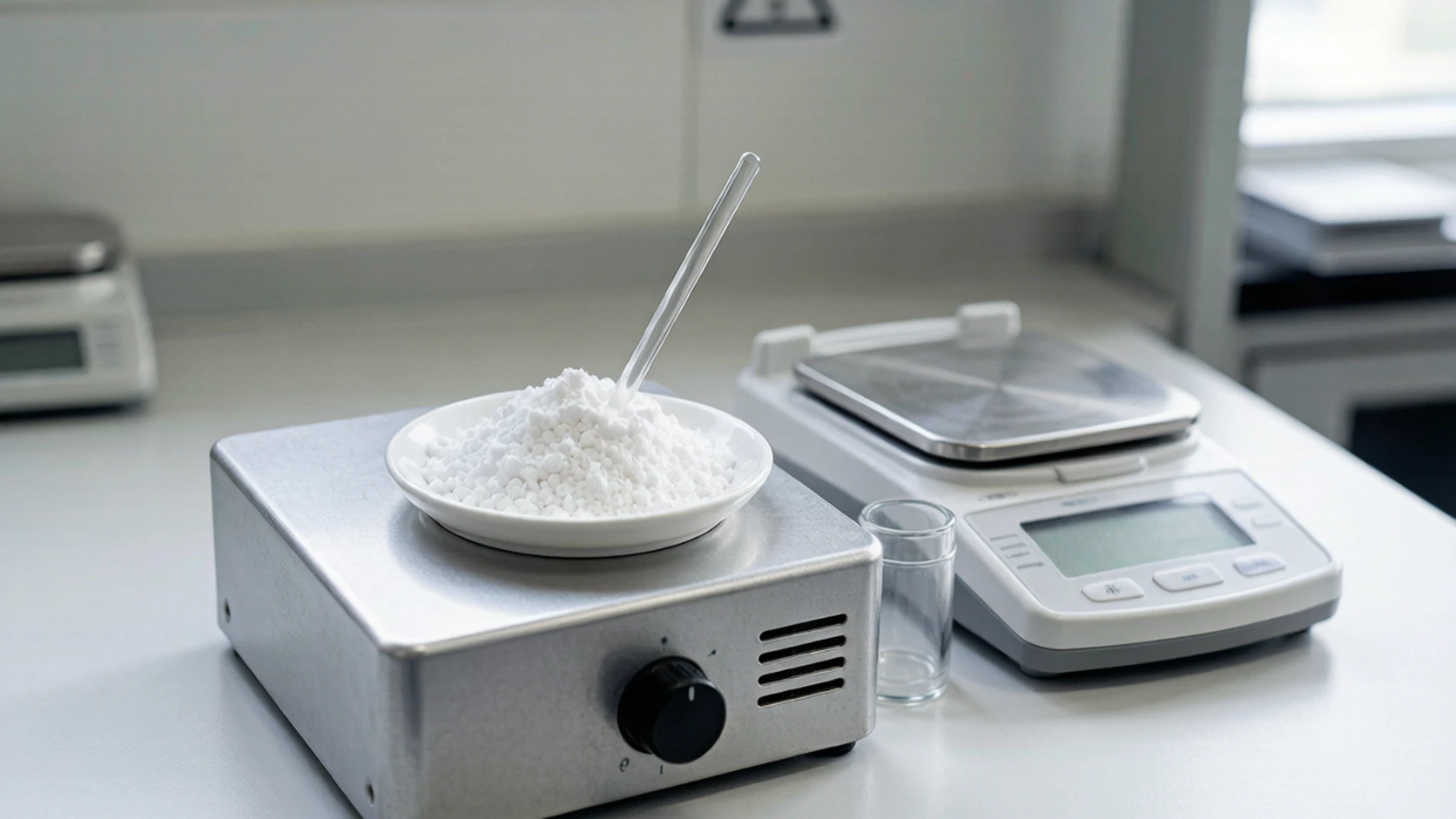
Loss on heating, sometimes described as weight loss on heating or volatile loss, is calculated by comparing the sample mass before and after controlled heating.
Loss on heating (%) = (initial mass − final mass) ÷ initial mass × 100
The result depends on several test conditions:
· Sample weight
· Test temperature
· Heating time
· Sample thickness
· Oven airflow
· Container type
· Cooling and weighing method
Two suppliers’ results cannot be compared reliably unless the test method and conditions are the same.
A higher result means that the sample lost more mass under the specified conditions. It does not, by itself, identify what was lost.
Possible sources include:
· Absorbed moisture
· Low-boiling organic components
· Residual processing liquids
· Carrier oils
· Low-molecular-weight additives
· Volatile co-stabilizers
· Decomposition products generated by an unsuitable test temperature
Additional analysis is required to distinguish moisture from other volatile components.
Loss on Heating vs Moisture vs PVC Thermal Stability
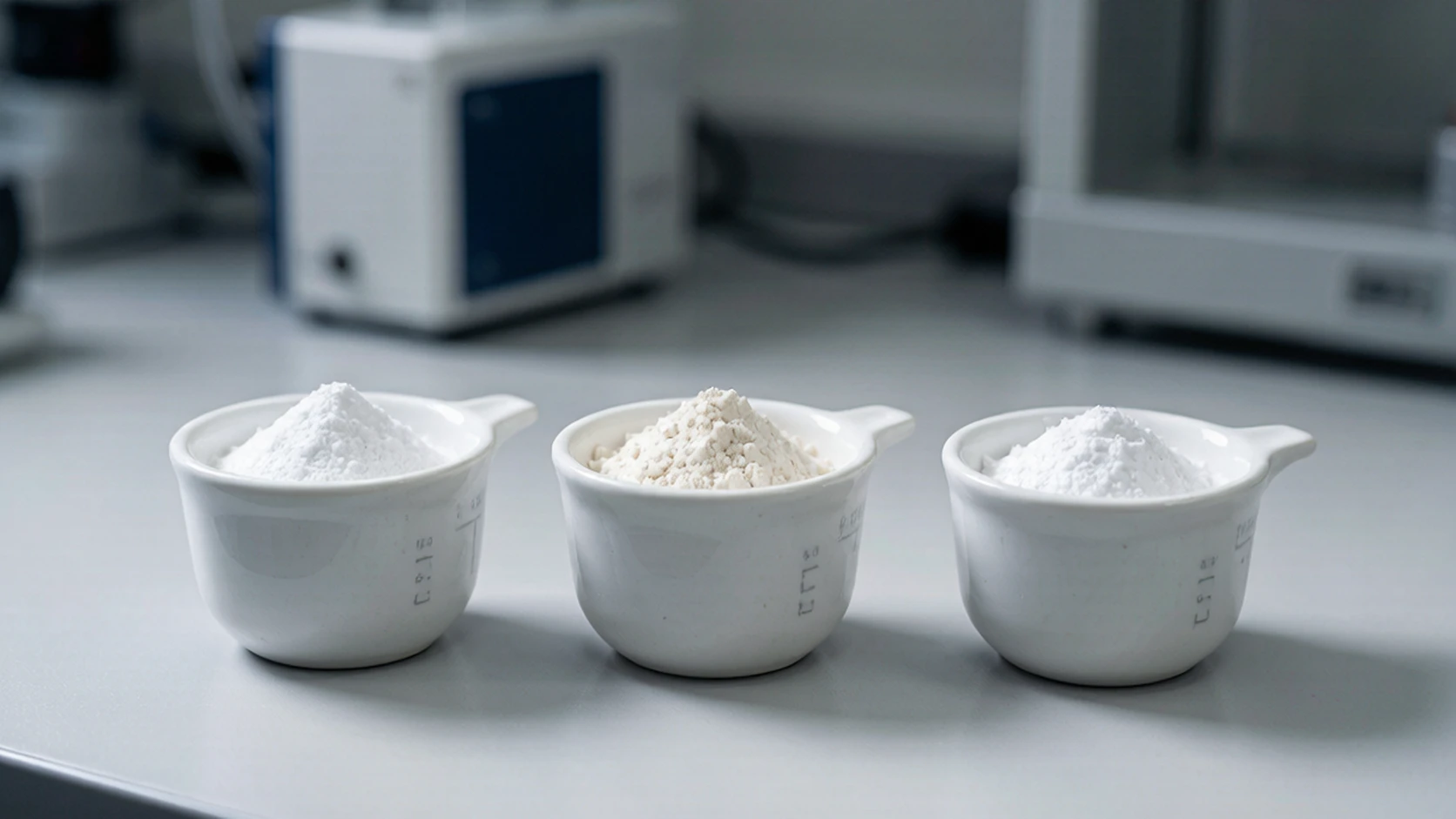
These three values answer different questions.
Test | Main Question |
PVC stabilizer loss on heating | How much mass does the stabilizer lose under defined heating conditions? |
Moisture test | How much water is present in the stabilizer? |
PVC thermal stability test | How effectively does the stabilizer protect PVC from heat degradation? |
A loss-on-heating result may include moisture, but it is not necessarily a moisture-specific test.
Karl Fischer titration is more suitable when the objective is to quantify water. Thermogravimetric analysis can help show the temperature ranges at which different mass-loss stages occur.
Tests such as Congo Red, oven aging and torque rheometry are used to evaluate the performance of a PVC heat stabilizer in an actual PVC formulation.
Therefore:
· Low loss on heating does not prove strong heat stabilization.
· High loss on heating does not prove poor PVC thermal stability.
· Normal loss on heating does not guarantee low plate-out.
· High loss on heating should trigger further investigation.
What Can Cause High Loss on Heating?
Moisture Absorption
Powder stabilizers can absorb moisture during storage, especially when packaging has been damaged or repeatedly opened.
Moisture may also enter through:
· Humid warehouse conditions
· Incomplete cooling before packing
· Poorly sealed bags
· Long storage periods
· Condensation after temperature changes
This can lead to powder agglomeration, unstable feeding or processing defects.
Low-Boiling Components
Some stabilizer systems contain liquid or low-molecular-weight ingredients. If these components have limited thermal resistance under the test conditions, they may evaporate and increase the loss-on-heating value.
This does not automatically mean the product is defective. The result must be compared with the approved specification and sample.
Low-Molecular-Weight Fractions
Waxes, fatty acid derivatives and other lubricating components may contain low-molecular-weight fractions that are more mobile during heating.
These fractions may influence:
· Odor
· Smoke or fumes
· Additive migration
· Lubrication balance
· Plate-out tendency
The molecular-weight distribution and quality of the ingredient may be as important as its total dosage.
Storage or Batch Changes
An unusual increase in loss on heating may indicate that the new batch differs from the approved sample.
Possible causes include:
· Raw-material supplier changes
· Different carrier content
· Incomplete drying
· Production-process variation
· Contamination
· Extended storage
This is why PVC stabilizer quality control should include batch traceability and retained samples.
Thermal Decomposition During Testing
A test temperature that is too high may cause the stabilizer itself to decompose. The reported mass loss would then include decomposition products rather than only moisture and normal volatile components.
The test method must therefore be suitable for the product form and composition.
How Volatile Loss Can Affect PVC Processing?
A stabilizer is designed to enter the PVC compound at a controlled composition and dosage. If part of the system is lost during hot mixing or processing, the effective composition may change.
Potential effects include:
· Reduced effective stabilizer content
· Changed stabilizer-to-lubricant ratio
· Delayed or accelerated fusion
· Torque and pressure changes
· Lower protection against discoloration
· Odor or visible fumes
· Unstable venting
· Increased deposit formation
For example, if a one pack PVC stabilizer loses part of a volatile lubricating or co-stabilizing component, the material entering the extrusion die may no longer have the same balance as the original product.
This may affect both the thermal stability of PVC and its interaction with metal surfaces.
However, the result depends on which component is lost. The same loss-on-heating percentage can have different processing consequences in different stabilizer systems.
Why Loss on Heating May Increase Plate-Out Risk?
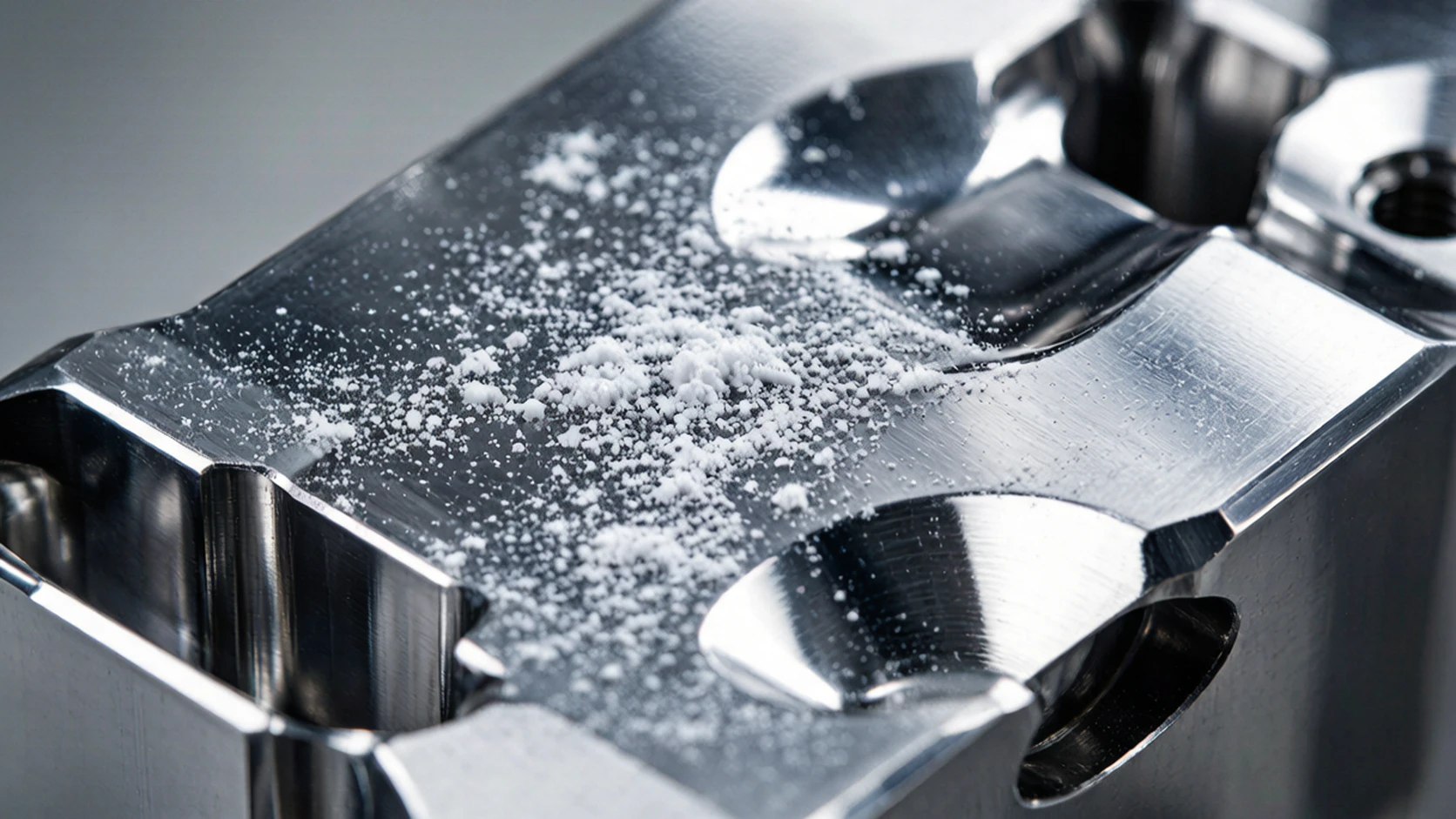
PVC plate-out is the accumulation of formulation components on processing equipment such as:
· Screws and barrels
· Vent openings
· Adapters
· Die channels
· Die lips
· Calibrators
· Calender rolls
Higher loss on heating can be associated with plate-out through several possible paths.
Volatile Components Condense on Cooler Surfaces
Some substances may evaporate in hotter processing zones and later condense around vents, die lips or cooler equipment surfaces.
This can create oily or waxy deposits.
The Lubrication Balance Changes
If one component is lost before or during fusion, the remaining internal and external lubricant ratio may change.
The compound may then show:
· Delayed fusion
· Excessive metal release
· Increased migration
· Unstable torque
· More die build-up
Low-Molecular Components Migrate
Low-molecular substances can move more easily through the PVC melt and toward metal surfaces.
If their PVC compatibility is limited, they may contribute to waxy plate-out or later blooming on the finished product.
Heat-Stabilizing Protection Is Reduced
If effective co-stabilizing components are lost, PVC may become more sensitive to local heat and residence time.
Partially degraded material may then combine with lubricants, metal soaps, pigments or fillers to form yellow, brown or black deposits.
These are possible mechanisms, not a universal rule.
A normal loss-on-heating result can still be followed by severe plate-out when the actual cause is lubricant incompatibility, filler moisture, equipment dead zones or incorrect processing conditions.
How Loss on Heating Can Affect PVC Surface Quality?
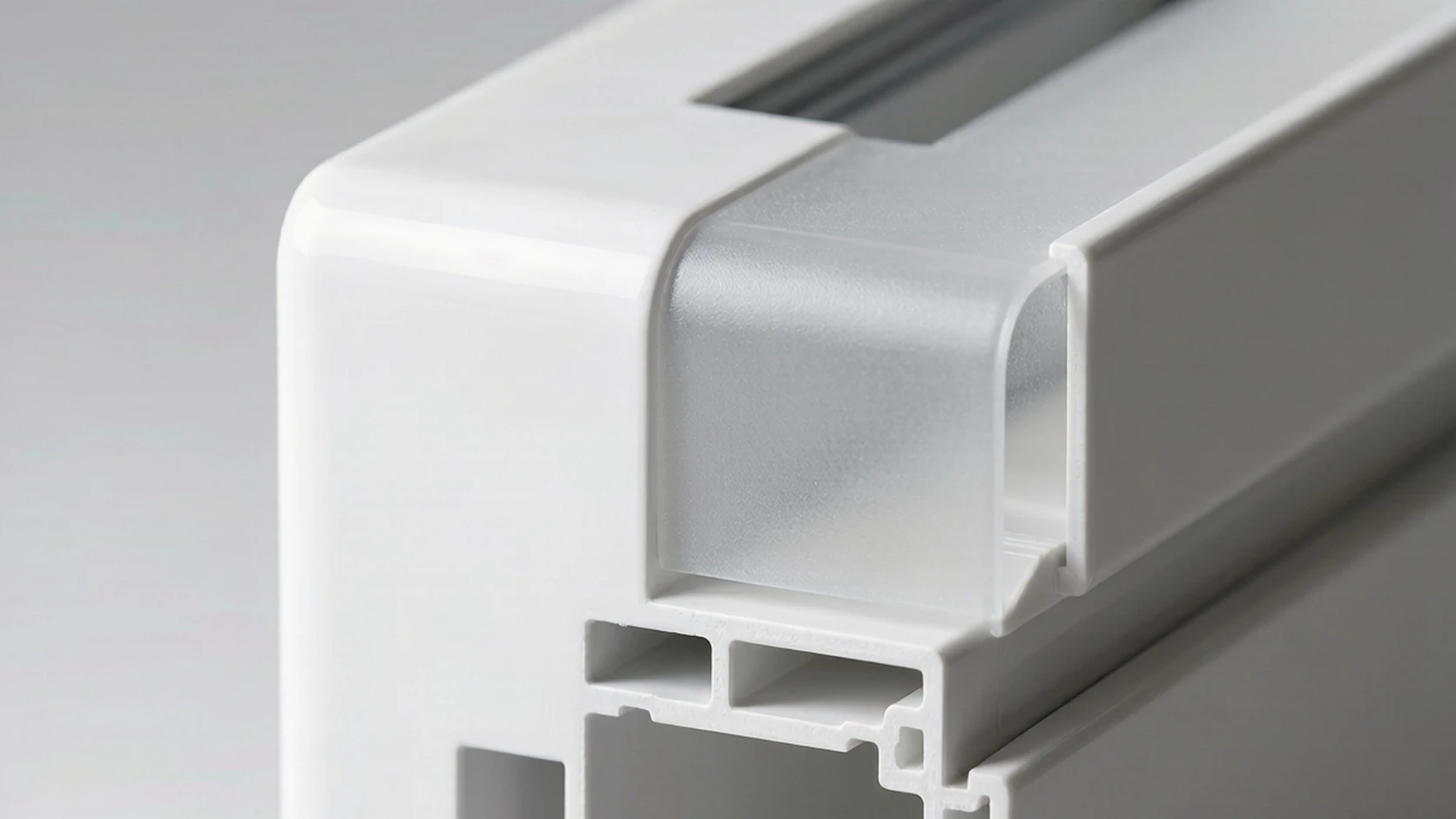
Volatile loss and formulation imbalance may contribute to different surface defects.
Surface Problem | Possible Connection |
Bubbles or pinholes | Moisture, low-boiling substances or degradation gases |
Haze | Moisture, poor compatibility or deposit transfer |
Gloss loss | Plate-out, incomplete fusion or surface roughness |
Waxy streaks | Lubricant or low-molecular-component deposition |
Yellow streaks | Local heat degradation or reduced stabilizer protection |
Black specks | Degraded deposits or material retained in equipment |
Blooming | Additives migrating to the finished PVC surface |
Printing failure | Lubricants or other mobile additives contaminating the surface |
Transparent PVC products are especially sensitive because small amounts of deposit or incompatible material can change haze, light transmittance and gloss.
For films and sheets, surface contamination can also affect:
· Printing
· Coating
· Lamination
· Welding
· Adhesive bonding
For pipes and profiles, the same problem may appear as die lines, roughness, uneven gloss or shortened cleaning intervals.
Why a Normal Result Does Not Guarantee Low Plate-Out?
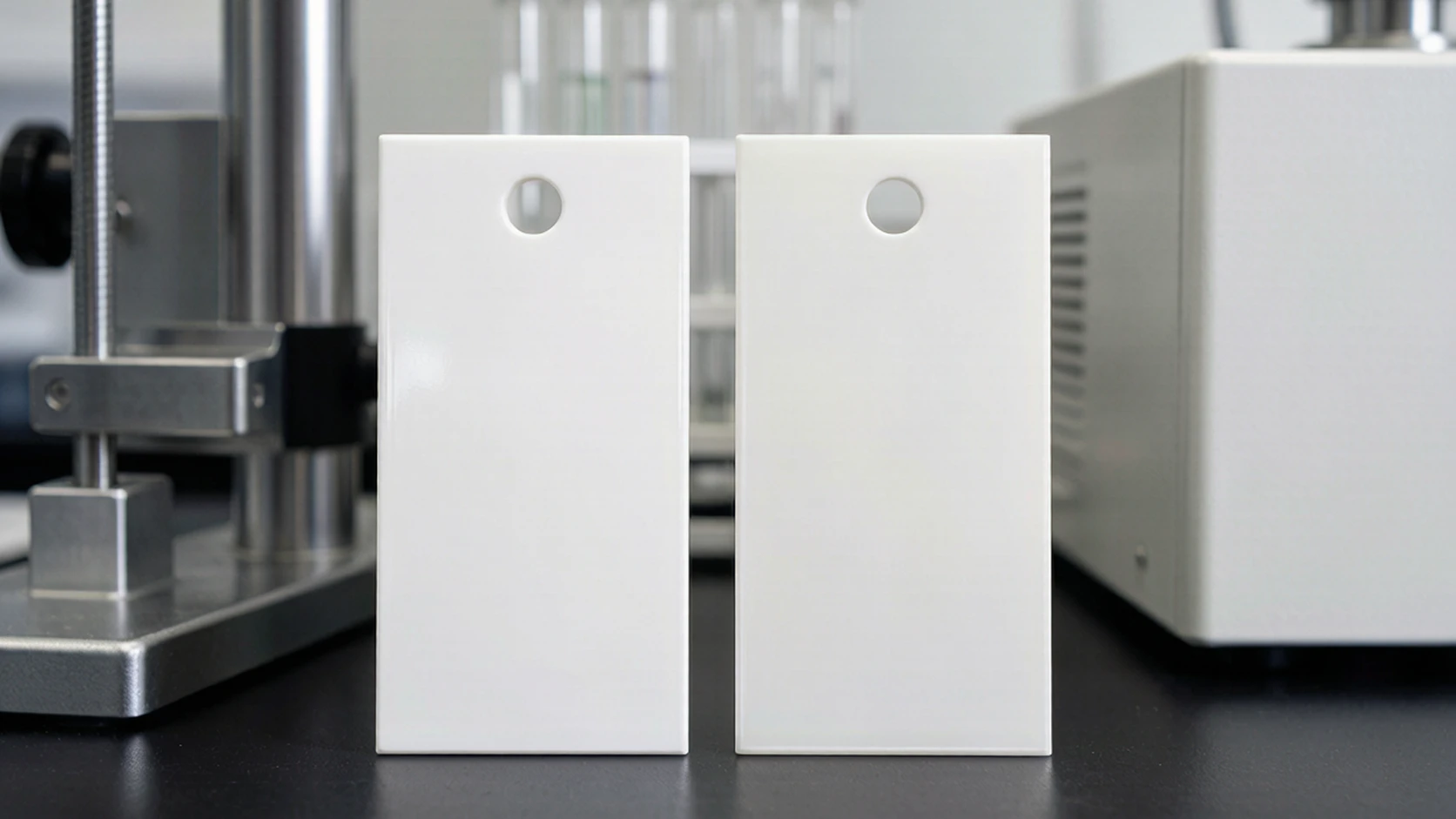
Loss on heating evaluates mass loss from the stabilizer under one laboratory condition. Plate-out is a system-level processing problem.
Other important PVC plate-out causes include:
· Excessive external lubrication
· Unsuitable PE wax
· Low-quality metal stearates
· Poor compatibility between stabilizer and lubricants
· Calcium carbonate or titanium dioxide deposits
· Moisture in fillers or recycled material
· Incomplete PVC fusion
· Excessive melt temperature
· Long residence time
· Rough die surfaces
· Equipment dead zones
A calcium zinc stabilizer with a low loss-on-heating value may still produce plate-out if the original lubricant package is not rebalanced.
Similarly, a stabilizer with a slightly higher value may run cleanly if its volatile components do not disturb the formulation under the actual processing conditions.
This is why loss on heating should be used for screening and batch comparison—not as a direct plate-out pass/fail test.
How to Investigate an Abnormal Stabilizer Batch?
When a new batch produces an unusual result or processing problem, use a step-by-step evaluation.
1. Repeat the Loss-on-Heating Test
Confirm:
· Sample identity
· Sample weight
· Temperature
· Heating time
· Oven condition
· Weighing method
Repeat testing helps separate a real batch difference from laboratory variation.
2. Measure Moisture Separately
Use a moisture-specific method such as Karl Fischer when water is suspected.
If both loss on heating and moisture are high, review:
· Packaging
· Warehouse humidity
· Storage duration
· Bag sealing
· Material agglomeration
3. Use TGA to Identify the Loss Temperature
Thermogravimetric analysis can show whether the mass loss occurs:
· At lower temperatures, suggesting moisture or low-boiling substances
· Across a wider range, suggesting multiple volatile components
· At higher temperatures, suggesting thermal decomposition
TGA does not automatically identify every substance, but it helps narrow the investigation.
4. Compare with the Approved Batch
Compare the abnormal batch with:
· Original approved sample
· Retained sample
· Previous production batch
· Supplier COA
· Appearance and odor
· Moisture
· Particle size
· Melting range
The objective is to determine whether the new material represents normal batch variation or a meaningful composition change.
5. Test the Stabilizer in the Same PVC Formula
Use the current approved PVC stabilizer as the control.
Keep constant:
· PVC resin
· Filler
· Pigment
· Processing aid
· Impact modifier
· Lubricants
· Sample preparation
· Test temperature
Compare:
· Congo Red
· Static oven aging
· Fusion time
· Peak and equilibrium torque
· Material temperature
· Dynamic stability
· Initial color
6. Run a Controlled Plate-Out Trial
Record:
· Time to first visible deposit
· Deposit location
· Deposit appearance
· Cleaning interval
· Surface streaks
· Gloss
· Haze
· Color drift
· Pressure and torque stability
Short laboratory samples may not reveal deposits that develop only after continuous production.
7. Analyze the Deposit
When the cause remains unclear, collect the deposit separately from the stabilizer sample.
Useful methods include:
· FTIR for organic components
· Ash testing for inorganic content
· SEM-EDX or XRF for elements such as Ca, Ti, Zn or Sn
· DSC for wax or melting behavior
· Comparison with raw-material reference samples
A white deposit may contain wax, metal soaps, calcium carbonate, titanium dioxide or several components together.
Troubleshooting Matrix
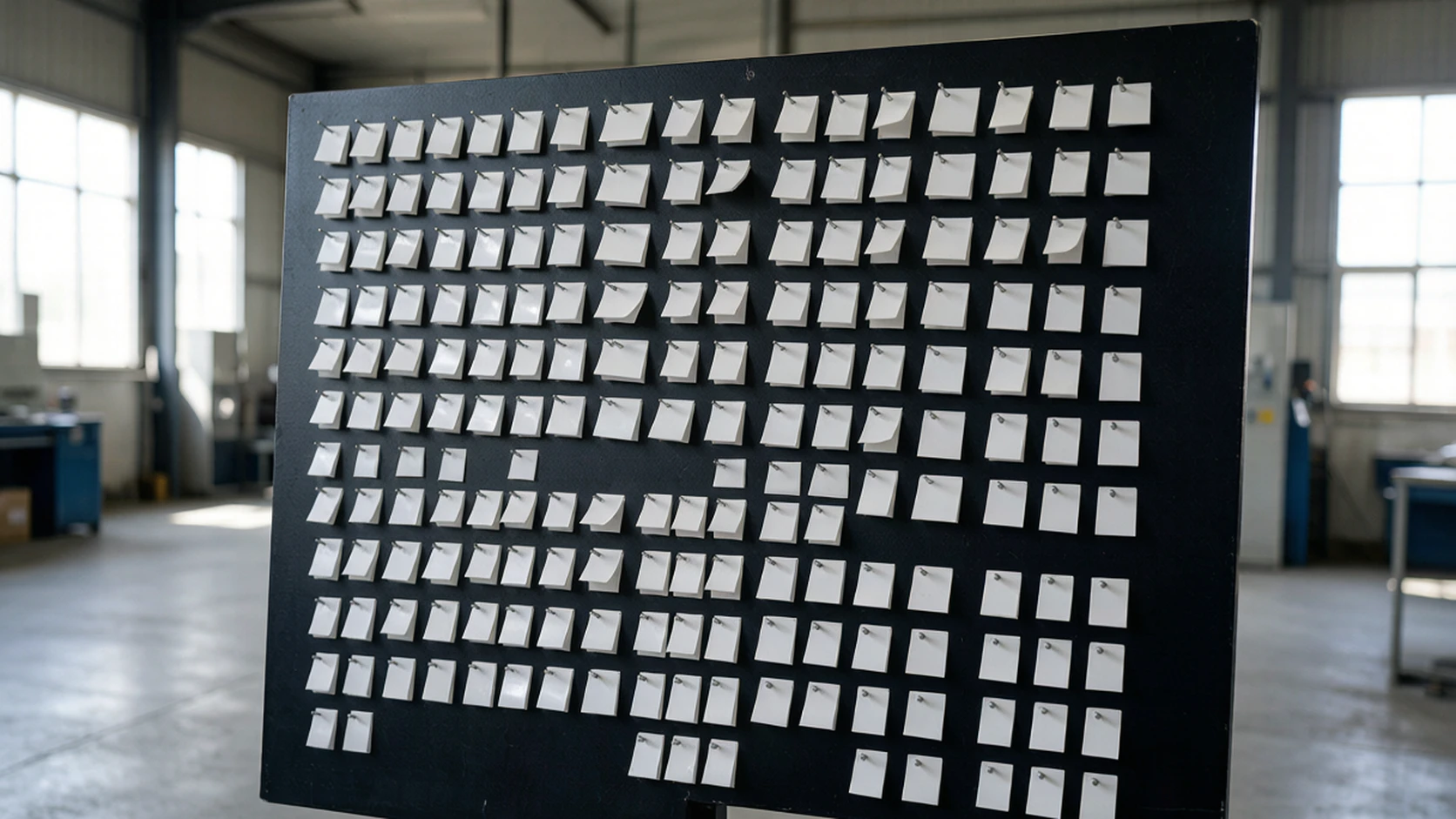
Test Result | Possible Direction | Next Step |
Loss on heating high and moisture high | Moisture absorption or storage problem | Check packaging, storage and drying |
Loss on heating high but moisture low | Other volatile components or decomposition | Run TGA and FTIR |
Loss on heating normal but plate-out high | Lubrication, compatibility or equipment issue | Review torque, wax and deposit composition |
Loss on heating high but production stable | Specification or method difference may not affect this application | Continue batch and line monitoring |
Loss on heating normal but bubbles occur | Moisture may come from resin, filler or regrind | Check the complete formulation |
Plate-out and haze rise together | Deposit transfer or additive migration | Analyze deposit and finished surface |
New batch shows different torque | Composition or lubricant balance may have changed | Compare retained samples and COA |
Yellowing increases without deposits | Reduced heat protection or higher thermal history | Run static and dynamic stability tests |
Incoming Quality-Control Checklist
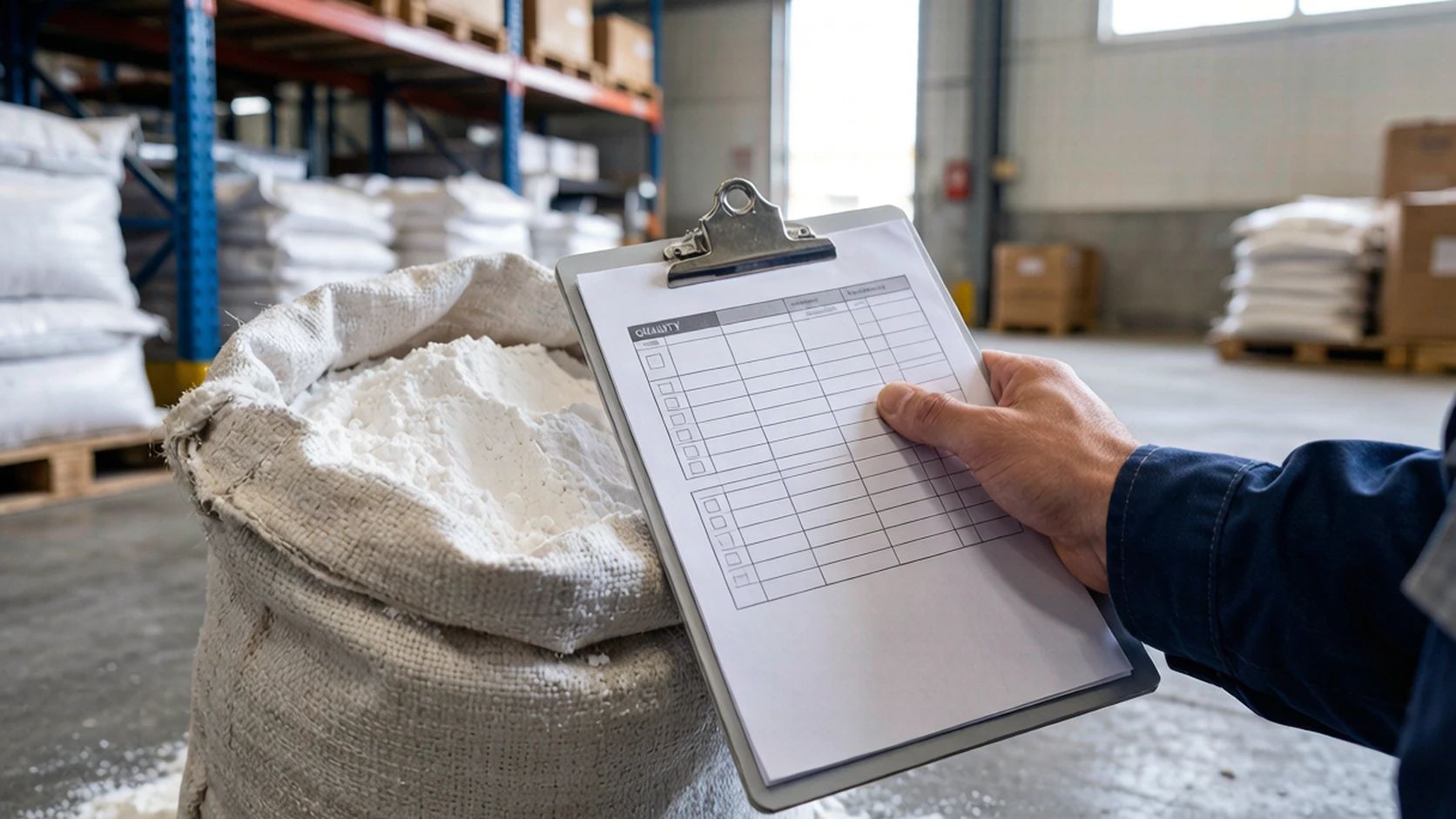
For each PVC stabilizer batch, record:
· Product grade
· Batch number
· Production date
· Packaging condition
· Appearance and color
· Odor
· Agglomeration
· Moisture
· Loss on heating
· Particle size
· Melting range where applicable
· COA
· Storage conditions
· Retained sample
Incoming data should be compared with the approved product specification and the factory’s historical range.
There is no universal loss-on-heating limit suitable for every PVC stabilizer. The acceptable value depends on the stabilizer type, product form, test method and application requirements.
Final Production Validation
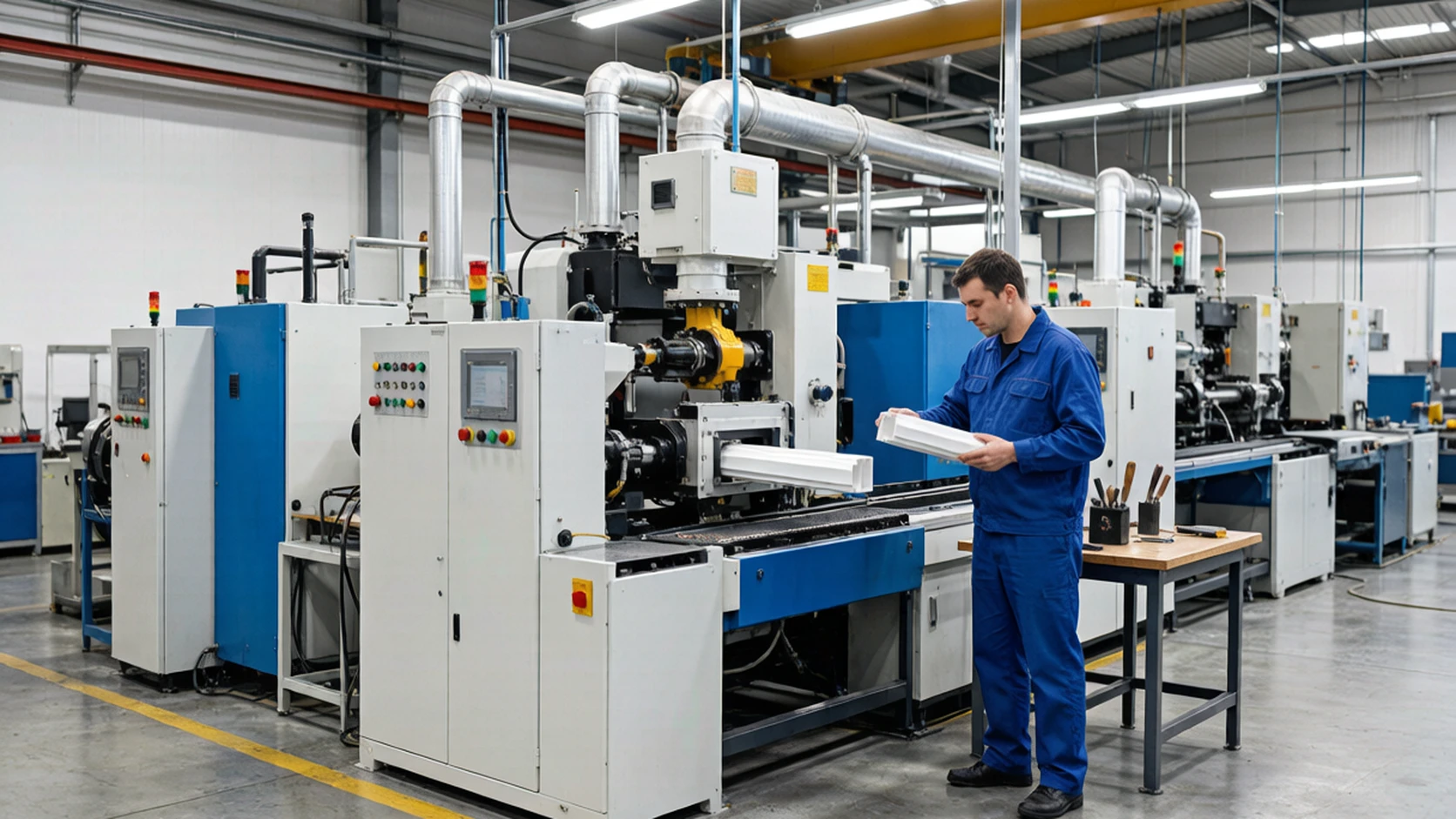
A stabilizer batch should not be approved for full production from one loss-on-heating result.
Production validation should include:
· Fusion time
· Torque or motor load
· Head pressure
· Melt temperature
· Output
· Plate-out location
· Cleaning interval
· Color stability
· Surface gloss
· Haze or transmittance
· Bubble and pinhole frequency
· Start-and-stop behavior
· Finished-product performance
The final decision should be based on whether the stabilizer repeatedly produces qualified PVC products under normal factory conditions.
Frequently Asked Questions
What does loss on heating mean in a PVC stabilizer?
It is the percentage of sample mass lost after heating under specified conditions. The lost mass may include moisture, volatile components or decomposition products.
Is loss on heating the same as moisture?
No. Moisture can contribute to the result, but other volatile substances may also be included.
Is loss on heating the same as PVC heat stability?
No. PVC thermal stability describes how effectively a stabilizer protects PVC from heat degradation. It requires testing in a PVC formulation.
Does high loss on heating always cause plate-out?
No. It can indicate a potential risk, but plate-out also depends on compatibility, lubrication, fillers, processing conditions and equipment.
Can low-molecular-weight additives increase plate-out?
They may migrate more easily under heat, particularly when their compatibility with PVC is limited. Their actual effect should be confirmed through compound and production testing.
How do you identify what caused the weight loss?
Use moisture analysis, TGA and, where necessary, FTIR or other chemical analysis.
How do you confirm that a stabilizer causes plate-out?
Compare it with an approved control in the same PVC formula, run an extended processing trial and analyze the collected deposit.
Can a one pack PVC stabilizer have low loss on heating but still cause deposits?
Yes. Plate-out can still result from total lubricant balance, incompatibility, fillers, processing conditions or equipment surfaces.
Conclusion
PVC stabilizer loss on heating is a useful incoming quality-control indicator, but it is not a direct measure of plate-out or PVC thermal stability.
A high result may indicate:
· Moisture
· Low-boiling substances
· Low-molecular components
· Storage changes
· Thermal decomposition during testing
These factors may affect fusion, lubrication, venting, plate-out and PVC surface quality. However, their production impact must be verified.
A reliable evaluation combines:
1. Loss-on-heating retesting
2. Moisture analysis
3. TGA or chemical analysis
4. Comparison with an approved batch
5. Static and dynamic PVC testing
6. Plate-out evaluation
7. Surface-quality measurement
8. Extended production validation
Send your PVC stabilizer COA, loss-on-heating result, PVC formulation and production data to AIMSEA for batch and plate-out evaluation.