
One-Pack vs Separate Additives in PVC Compounding
Read:238
Source:
PVC manufacturers can manage stabilizers, lubricants and other processing additives in two main ways.
The first is to purchase and dose each additive separately. The second is to use a one pack PVC stabilizer that combines several functions in a pre-balanced product.
Neither approach is automatically better.
One-pack additives can simplify weighing, reduce operator error and improve production consistency. Separate additives give formulation engineers greater control over fusion, lubrication, heat stability and troubleshooting.
For many factories, the best choice depends on four questions:
· How stable is the product range?
· How strong is the internal formulation team?
· How frequently do raw materials and equipment conditions change?
· How much on-site adjustment must be retained?
Some manufacturers also use a hybrid strategy: a core one-pack system for consistency, plus a small number of separate additives for application-specific adjustment.
What Is a PVC One-Pack Additive System?
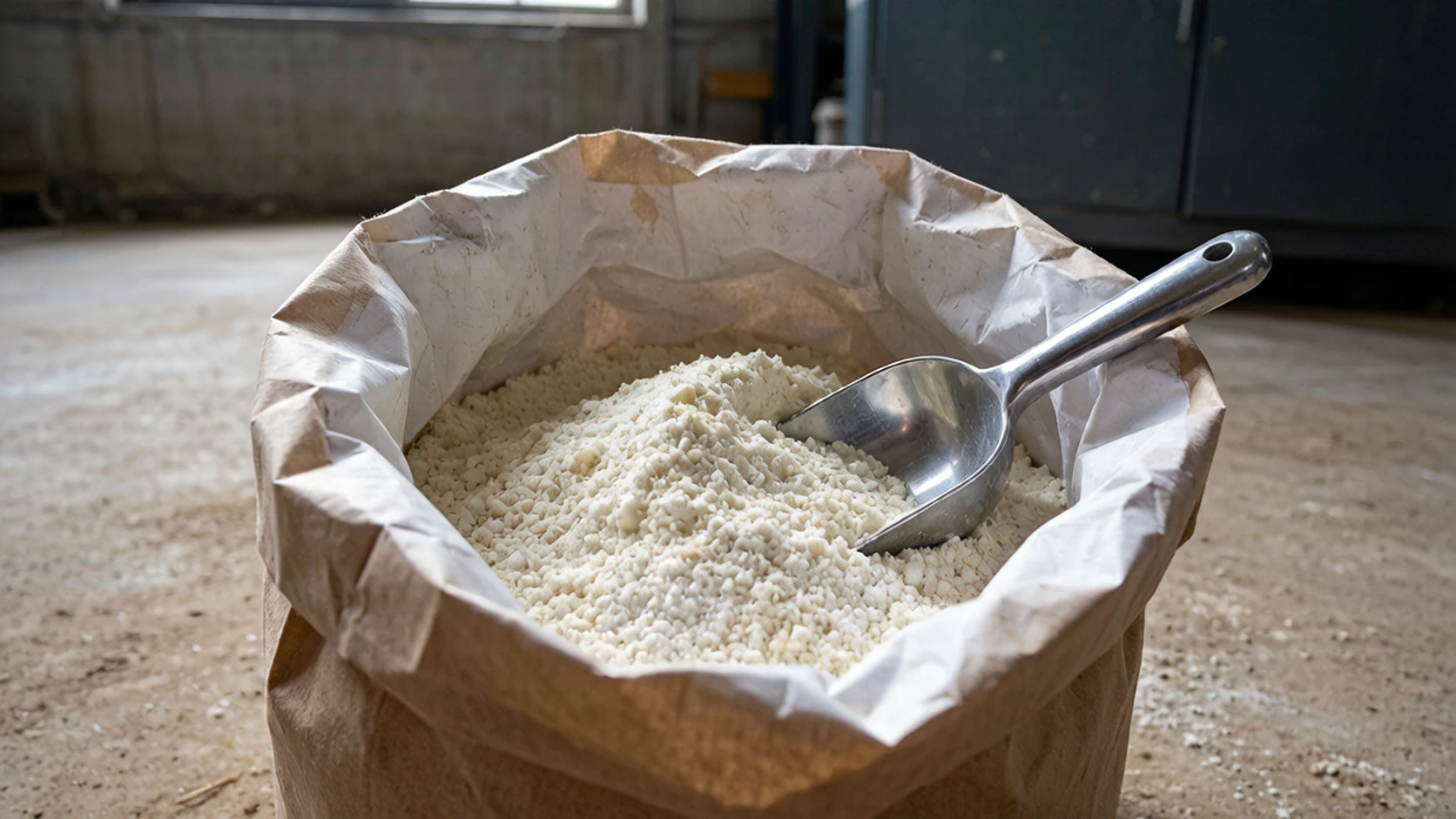
A PVC one-pack is a pre-formulated blend of additives designed for a specific PVC product and processing method.
A typical product may combine:
· PVC heat stabilizer
· Internal lubricant
· External lubricant
· Co-stabilizers
· Acid scavengers
· Antioxidants
· Selected processing components
However, “one-pack” does not mean that every additive required by the PVC formula is included.
Depending on the product, the manufacturer may still need to add:
· Processing aid
· Impact modifier
· Blowing agent
· Pigment
· Titanium dioxide
· Filler
· Plasticizer
· UV stabilizer
· Flame retardant
The exact composition and scope should therefore be confirmed with the supplier.
A calcium zinc stabilizer and a one-pack system are also not identical concepts. Calcium-zinc describes the chemical stabilization system. One-pack describes how multiple additives are integrated and supplied.
A calcium zinc one pack stabilizer may include calcium-zinc active components, lubricants and co-stabilizers in one product.
What Does Separate Additive Dosing Mean?
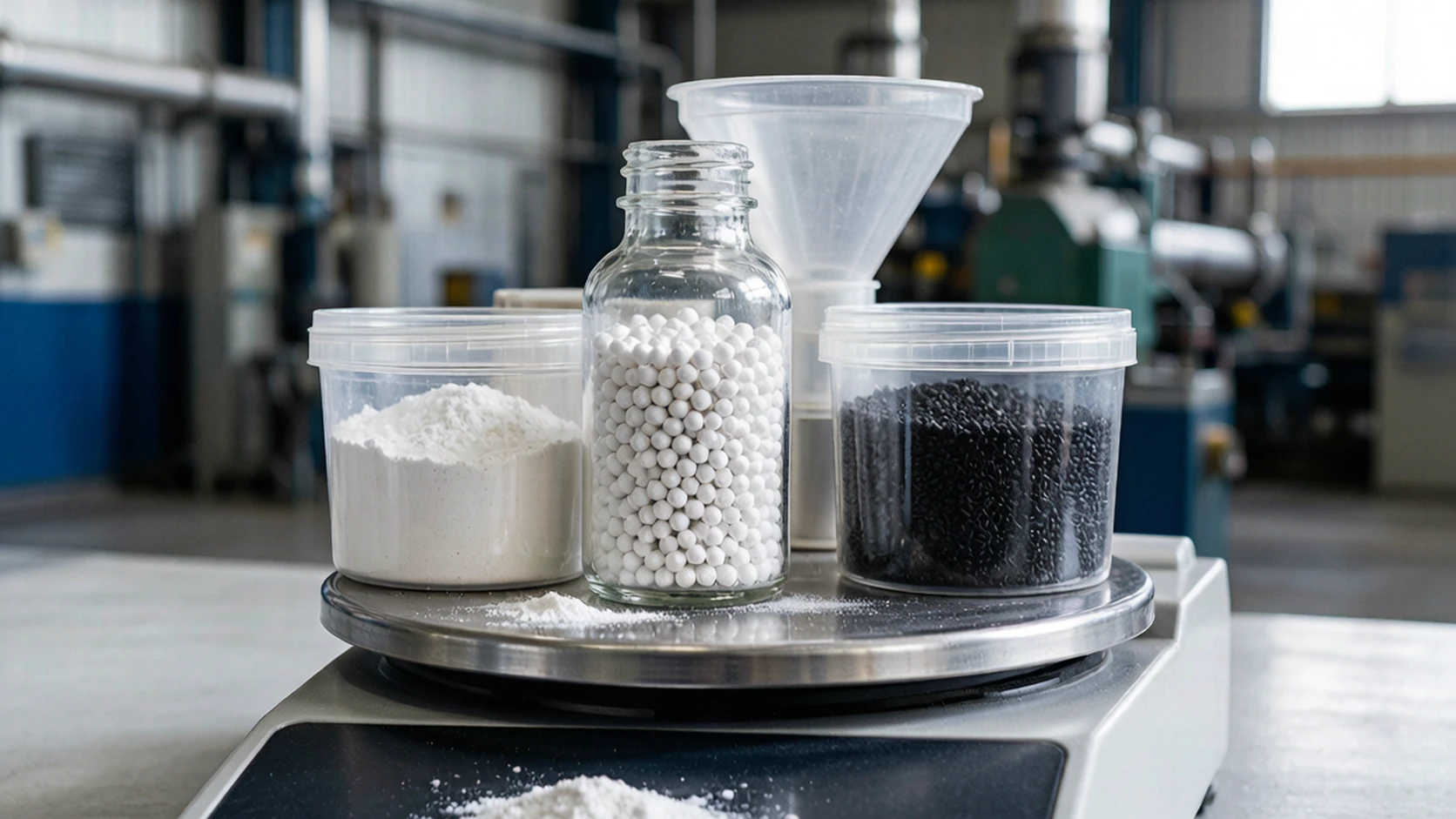
In a separate-additive system, the PVC compounder purchases, stores, weighs and adds each component independently.
For example, the factory may separately control:
· Calcium zinc PVC stabilizer
· Calcium stearate
· Zinc stearate
· Internal lubricant
· PE wax or paraffin wax
· Processing aid
· ESBO
· Hydrotalcite
· Antioxidant
This gives the compounder direct control over the PVC stabilizer formulation.
If fusion is too slow, one lubricant can be adjusted. If long-term heat stability is insufficient, the stabilizer or co-stabilizer can be changed without automatically increasing every other component.
The trade-off is greater production complexity. Every additional material creates another purchasing, storage, weighing, mixing and quality-control step.
Quick Comparison: One-Pack vs Separate Additives
Comparison | One-Pack Additives | Separate Additives |
Number of weighed materials | Lower | Higher |
Operator error risk | Generally lower | More dependent on weighing accuracy |
Batch consistency | Less dependent on individual dosing | Depends heavily on factory control |
Formulation flexibility | More limited | High |
Individual component adjustment | Difficult or indirect | Direct |
Inventory management | Fewer SKUs | More SKUs |
Dust exposure | Can be lower, depending on product form | More bags and powders handled |
Mixing-sequence control | Limited for combined components | Full control |
Supplier dependence | Higher | Can be distributed |
Troubleshooting | May require a new grade or hybrid adjustment | Individual variables can be isolated |
Suitable users | Stable products and simplified production | R&D-intensive or highly customized production |
The central choice is between consistency and flexibility.
Main Advantages of One-Pack PVC Additives
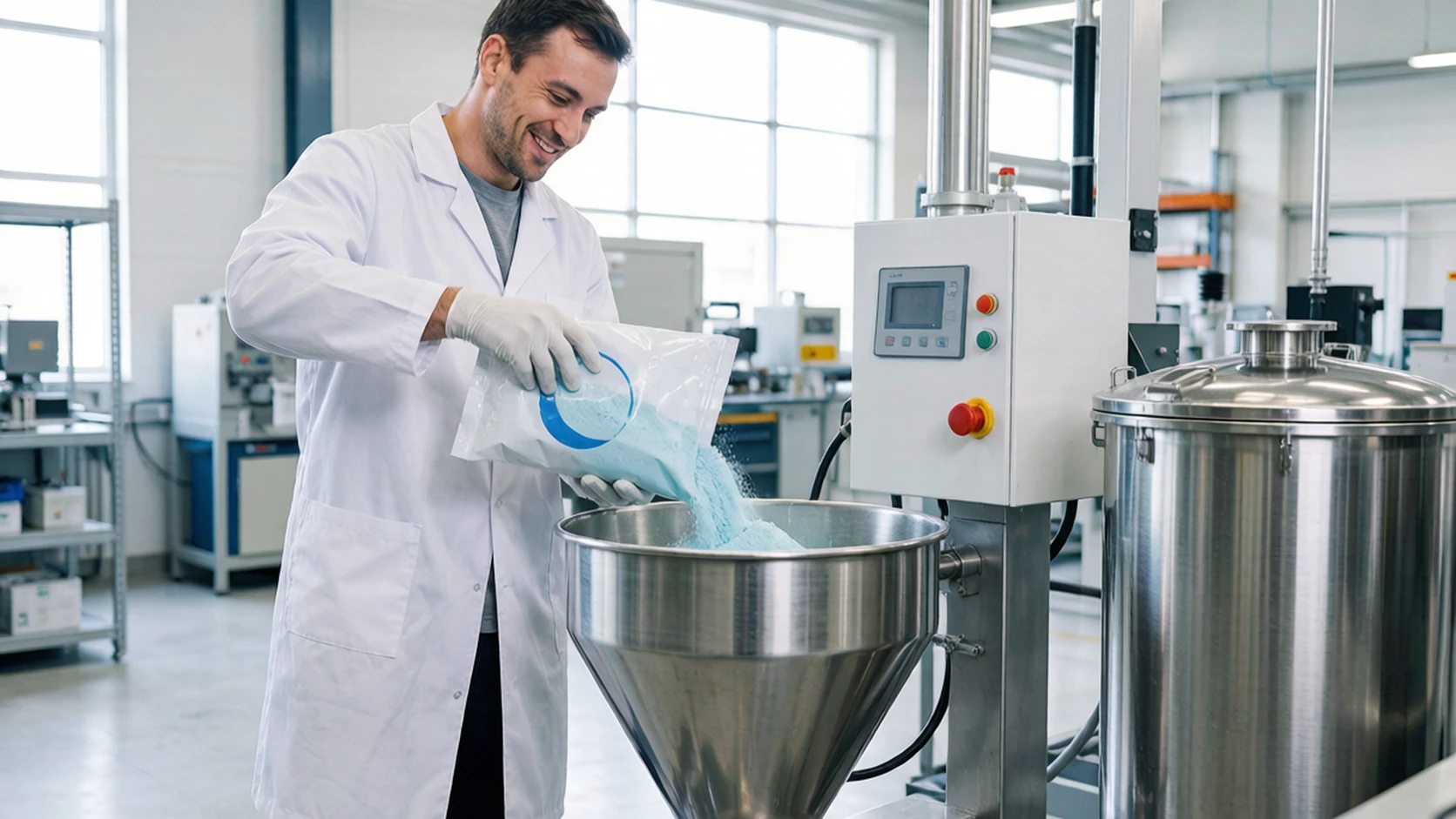
Fewer Weighing Steps
A traditional PVC compound may contain several additives used at relatively low dosages. Weighing each material separately increases the opportunity for:
· Missing an additive
· Selecting the wrong material
· Decimal-point errors
· Incorrect batch records
· Cross-contamination
· Operator-to-operator variation
One-pack additives reduce the number of individual weighing operations and make standard operating procedures easier to follow.
This can be particularly valuable when production relies on manual weighing or multiple shifts.
More Consistent Additive Ratios
A properly manufactured one-pack fixes the ratio between its internal components before the material reaches the PVC factory.
This can improve consistency in:
· PVC thermal stability
· Fusion time
· Torque
· Lubrication
· Initial color
· Plate-out performance
· Surface quality
The result still depends on the one-pack manufacturer’s raw-material control, mixing uniformity and batch testing. One-pack transfers part of the dosing responsibility from the PVC factory to the supplier; it does not eliminate the need for quality control.
Simpler Inventory Management
Fewer separate PVC additives can mean:
· Fewer supplier orders
· Fewer storage locations
· Fewer material codes
· Less stock counting
· Simpler traceability
· Lower risk of using the wrong additive
This is useful for factories running standardized pipes, profiles, boards or flooring products at high volume.
Lower Dust and Handling Requirements
Powder additives can generate dust during bag opening, weighing and transfer.
Low-dust powder, flake or granulated one-pack products may reduce the number of dusty handling operations. The actual benefit depends on product form, packaging and feeding method.
“One-pack” itself does not guarantee dust-free production, so the physical form must be confirmed.
Easier Production Replication
When a manufacturer needs to transfer a formula between lines or factories, a one-pack may reduce the number of variables that must be reproduced.
This can support faster operator training and more standardized batch instructions.
Main Limitations of One-Pack Systems
Fixed Component Ratios
The main limitation is that the included components cannot normally be adjusted independently.
Suppose a factory increases the one-pack dosage to obtain longer heat stability. It may also increase the internal and external lubricants contained in that product.
This can lead to:
· Delayed fusion
· Lower torque
· Plate-out
· Reduced surface gloss
· Incomplete plasticization
Reducing the dosage to correct over-lubrication may then reduce the available PVC heat stabilizer.
The issue is not that one-pack systems are inherently unbalanced. It is that one fixed balance cannot automatically fit every resin, filler level, screw design and production speed.
Less Flexibility When Raw Materials Change
A qualified one-pack may perform differently after changes in:
· PVC resin or K-value
· Calcium carbonate
· Titanium dioxide
· Regrind percentage
· Processing aid
· Impact modifier
· Pigment
· Production equipment
A major raw-material change may require retesting, dosage adjustment or a different one-pack grade.
Reduced Formula Transparency
Suppliers do not always disclose the exact internal composition of a one-pack.
The PVC manufacturer may know its recommended dosage and performance but not the precise amount of each metal soap, lubricant or co-stabilizer.
This can make independent troubleshooting more difficult and increase reliance on supplier technical support.
Supplier Change Becomes More Complex
Replacing one separate wax affects one known variable. Replacing a one-pack may change several variables simultaneously.
A supplier change can affect:
· Heat stability
· Fusion
· Melt torque
· Plate-out
· Color
· Output
· Product properties
A new one-pack should therefore be tested as a new formulation component rather than approved only from its technical data sheet.
Main Advantages of Separate PVC Additives
Direct Formula Adjustment
Separate additives allow formulation engineers to adjust one function without intentionally changing the others.
Examples include:
· Increasing the PVC stabilizer without increasing wax
· Reducing external lubricant to accelerate fusion
· Increasing internal lubricant to modify melt flow
· Adding a co-stabilizer for long-term color
· Changing one wax to reduce die build-up
This is valuable when troubleshooting narrow processing problems.
Better Support for Product Development
During formulation development, engineers need to understand which ingredient caused each change.
Separate additions make single-variable trials easier. The team can examine how individual components affect:
· Fusion time
· Peak torque
· Equilibrium torque
· Static heat stability
· Dynamic stability
· Plate-out
· Haze
· Gloss
· Impact strength
Once the formulation is finalized, the validated combination may later be converted into a customized one-pack.
Control of Mixing Sequence
PVC compounding is not only about which additives are used. The order and timing of addition may influence distribution, absorption and surface coating.
Separate additives can be introduced according to:
· Polarity
· Melting range
· Required contact with PVC resin
· Internal or external lubrication function
· Liquid absorption behavior
A combined one-pack introduces many components together, reducing control over their individual addition points.
Whether this difference matters depends on the mixer, batch size, product and design of the one-pack.
More Supply-Chain Options
Separate sourcing allows a factory to qualify different suppliers for different components. It can also make it easier to replace one material during a shortage.
However, using more suppliers also creates more incoming inspections and more opportunities for raw-material variation.
Main Risks of Separate Additives
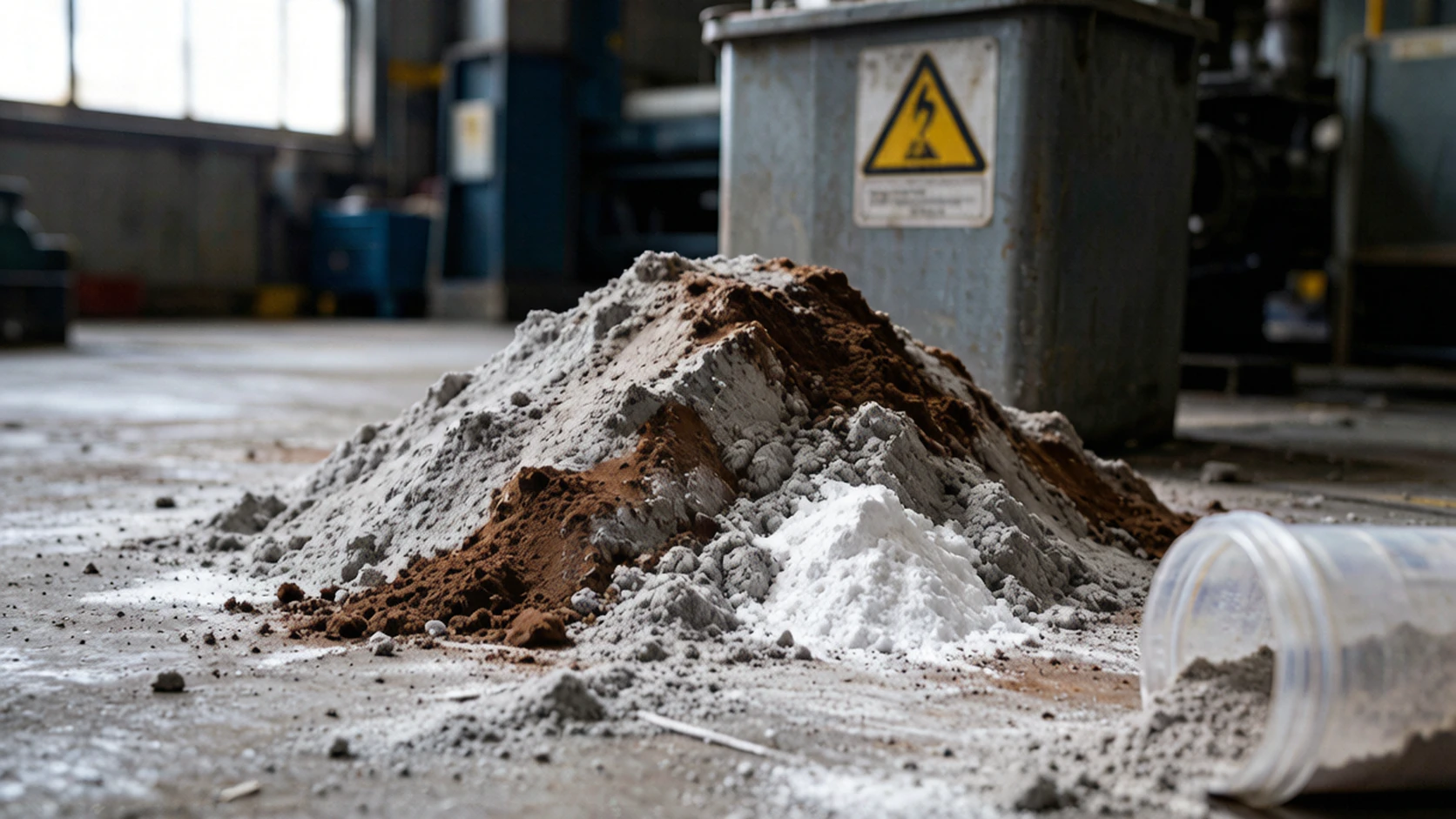
Greater flexibility creates greater management responsibility.
Common risks include:
· Incorrect weighing
· Missing minor components
· Wrong addition sequence
· Uneven dispersion
· Operator inconsistency
· Excessive inventory
· Expired or misidentified materials
· More incoming-quality inspections
· More complex batch records
Separate dosing is most effective when the factory has:
· Accurate weighing equipment
· Controlled mixing procedures
· Trained operators
· A formulation laboratory
· Strong raw-material specifications
· Reliable traceability
Without these capabilities, theoretical flexibility may become production instability.
How Mixing Sequence Affects the Decision?
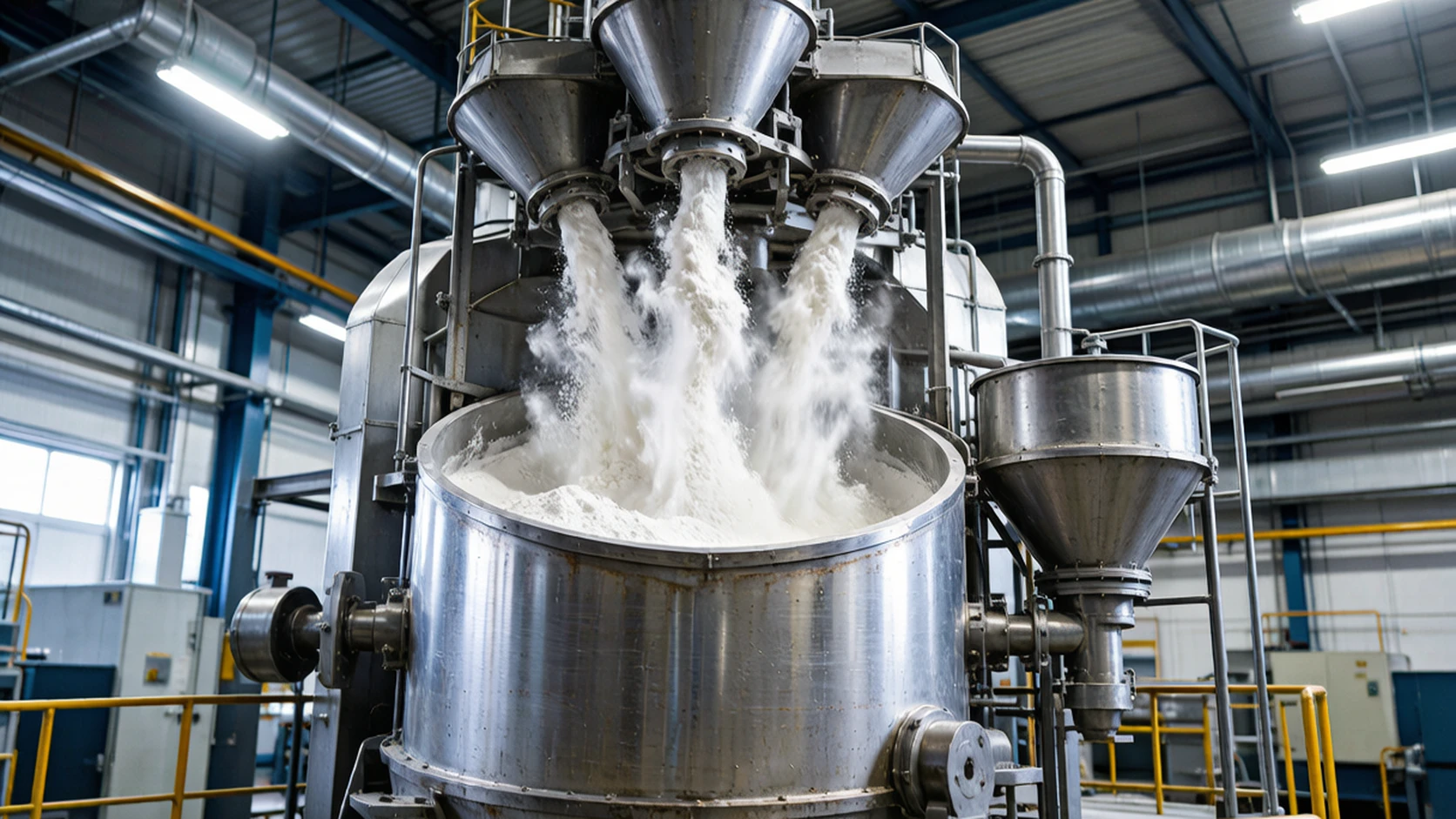
Different PVC compounding additives may need different treatment during hot mixing.
Some components must contact the PVC resin early. Others are intended to act later as external surface lubricants. Liquid additives may need enough time and temperature to be absorbed without causing agglomeration.
Separate dosing offers greater control over this sequence.
A one-pack simplifies the operation but may require the supplier to design particle form, melting behavior and dispersion so that the combined components still perform correctly when added together.
Before switching systems, compare:
· Hot-mixing time
· Discharge temperature
· Cooling efficiency
· Dry-blend flow
· Bulk density
· Agglomeration
· Feeding stability
A one-pack cannot correct an unsuitable mixing process by itself.
When a Hybrid Additive Strategy Works Better?
Many PVC manufacturers do not need to choose a completely integrated or completely separate system.
A hybrid approach may use:
· One-pack for heat stability and base lubrication
· Separate external lubricant for line-speed adjustment
· Separate processing aid for different product structures
· Separate impact modifier for product-grade changes
· Separate pigment or optical additive
· Additional co-stabilizer for high-regrind formulas
This strategy preserves the most important benefits of a one-pack while retaining selected adjustment points.
The separate “trim additives” should be clearly defined. Allowing operators to make uncontrolled additions would remove the consistency advantage of the one-pack.
Each adjustment should have:
· A defined dosage range
· A specific technical purpose
· A recorded approval process
· A corresponding production test
Which System Fits Different PVC Applications?
Application or Factory Type | Commonly Suitable Direction |
Standard PVC pipe production | Application-specific one-pack or hybrid |
High-volume profile production | One-pack with controlled line-specific adjustment |
Frequently changing profile formulas | Customized one-pack, hybrid or separate additives |
Transparent rigid PVC | Highly customized one-pack or separate system |
SPC and LVT flooring | One-pack with separately controlled functional additives |
Wire and cable | Custom one-pack or hybrid, depending on electrical requirements |
Foam board | Application-specific one-pack with controlled processing adjustments |
Frequent R&D and new-product trials | Separate additives |
High or variable regrind use | Hybrid or separate system |
Multiple factories using one formula | One-pack may simplify replication |
Transparent PVC often requires tighter control of initial color, haze, transmittance, lubricant compatibility and plate-out. A general-purpose one-pack should not be assumed suitable without application testing.
How to Compare the Real Cost?
The correct comparison is not simply:
One-pack price per kilogram vs total price of separate additives.
Calculate the cost per tonne of qualified PVC product, including:
· Actual additive dosage
· Weighing labor
· Dosing equipment
· Inventory handling
· Packaging disposal
· Dust collection and cleaning
· Batch errors
· Start-up scrap
· Plate-out cleaning
· Downtime
· Formula-development work
· Rejected finished products
· Supply interruption risk
A one-pack may have a higher purchase price but a lower total cost when it reduces errors and downtime.
Separate additives may have a lower raw-material cost but become more expensive when production control is weak.
How to Switch from Separate Additives to One-Pack?
1. Document the Existing Formula
Record all stabilizers, lubricants and co-stabilizers, including their grades and dosages.
2. Confirm What the One-Pack Replaces
Do not remove every additive automatically. Ask which existing materials are included and which must remain separate.
3. Establish the Current Production Baseline
Record:
· Fusion time
· Torque or motor load
· Head pressure
· Output
· Color
· Plate-out
· Cleaning interval
· Scrap
· Finished-product properties
4. Run a Controlled Laboratory Comparison
Keep the PVC resin, filler, pigment, processing aid and test conditions unchanged.
Compare:
· Static oven aging
· Congo Red where relevant
· Torque rheometer curve
· Initial color
· Plate-out tendency
· Application-specific properties
5. Run an Extended Production Trial
Short trials may not reveal lubricant accumulation, color drift or die build-up.
Record start-up, stable operation and stop-and-restart behavior.
6. Decide Whether Trim Additives Are Needed
Add only the component required to correct a confirmed issue. Avoid changing one-pack dosage, wax, temperature and screw speed simultaneously.
7. Verify the First Commercial Batch
Compare the first bulk delivery with the approved sample for appearance, COA values and processing performance.
Final Selection Checklist
Choose a one-pack system when:
· Products and formulas are relatively stable
· Dosing simplification is a priority
· Operator variation needs to be reduced
· Inventory and dust reduction are important
· Strong supplier technical support is available
Choose separate additives when:
· The factory develops formulas frequently
· Individual additives require regular adjustment
· Raw materials vary substantially
· Addition sequence is technically important
· The factory has strong dosing and formulation control
Consider a hybrid system when:
· Basic consistency is required
· Some line-specific adjustment must remain
· Several product grades share one base formula
· Regrind, filler or processing conditions vary within controlled ranges
Frequently Asked Questions
Is a one-pack PVC stabilizer better than separate additives?
Not in every situation. It improves operational simplicity, while separate additives offer greater formulation control.
Does a one-pack contain every PVC additive?
Usually not. Processing aids, impact modifiers, pigments, fillers and other functional additives may still need to be added separately.
Is a calcium zinc stabilizer the same as a one-pack?
No. Calcium-zinc describes the stabilization chemistry. A one-pack is an integrated additive format that may use a calcium-zinc system.
Can separate lubricants be added with a one-pack?
Yes, when technically necessary. The adjustment should be controlled and tested because it changes the total lubrication balance.
Why can increasing one-pack dosage create plate-out?
If the one-pack contains lubricants, increasing its dosage also increases those lubricants. Excessive external lubrication or incompatibility may contribute to deposits.
Are separate additives always more flexible?
They provide more adjustment options, but only factories with reliable formulation, weighing and mixing controls can use that flexibility effectively.
Can the same one-pack be used with different fillers?
Possibly, but changes in filler type, surface treatment, moisture or dosage can affect fusion and lubrication. Retesting is required.
How should one-pack and separate systems be compared?
Use the same PVC resin, filler, equipment and acceptance criteria, then compare laboratory results, long-run processing and total cost per tonne of qualified product.
Conclusion
One-pack and separate additive systems solve different PVC compounding problems.
A one-pack PVC stabilizer can reduce weighing complexity, inventory, dust and operator-dependent variation. Separate PVC additives give engineers greater control over stabilization, lubrication, fusion and troubleshooting.
The choice should be based on:
1. Product and raw-material variation
2. Internal technical capability
3. Dosing and mixing control
4. Need for line-level adjustment
5. Supplier quality consistency
6. Total cost per tonne of qualified product
For many factories, a customized one-pack with a small number of controlled trim additives provides the best balance between consistency and flexibility.
Send your current PVC formula, additive list and production data to AIMSEA for a one-pack, separate-additive or hybrid-system evaluation.