
Tin Stabilizer Partner for Transparent PVC: When to Use CZ186 or CZ188 with Organotin Systems
Read:241
Source:
Abstract
Organotin stabilizers have long been used in transparent PVC because they can deliver strong clarity and heat stability. But many transparent PVC manufacturers now face a practical challenge: they want to keep crystal-clear appearance while reducing odor, improving environmental positioning, lowering dependence on full organotin systems and keeping production stable.
This is where AIMSEA’s CZ186 and CZ188 come in. They are Ca-Zn stabilizer solutions developed for transparent PVC systems, especially where manufacturers need a tin stabilizer partner, an organotin-reduction direction or a Ca-Zn co-stabilizer for transparent PVC.
This article explains when to consider CZ186 or CZ188 for transparent sheet, rigid sheet, shrink film, transparent film and white film applications. It focuses only on application logic, performance direction, testing indicators and inquiry information. It does not disclose formula ratios, prices or complete production formulas.
Why Transparent PVC Manufacturers Still Use Organotin Systems?
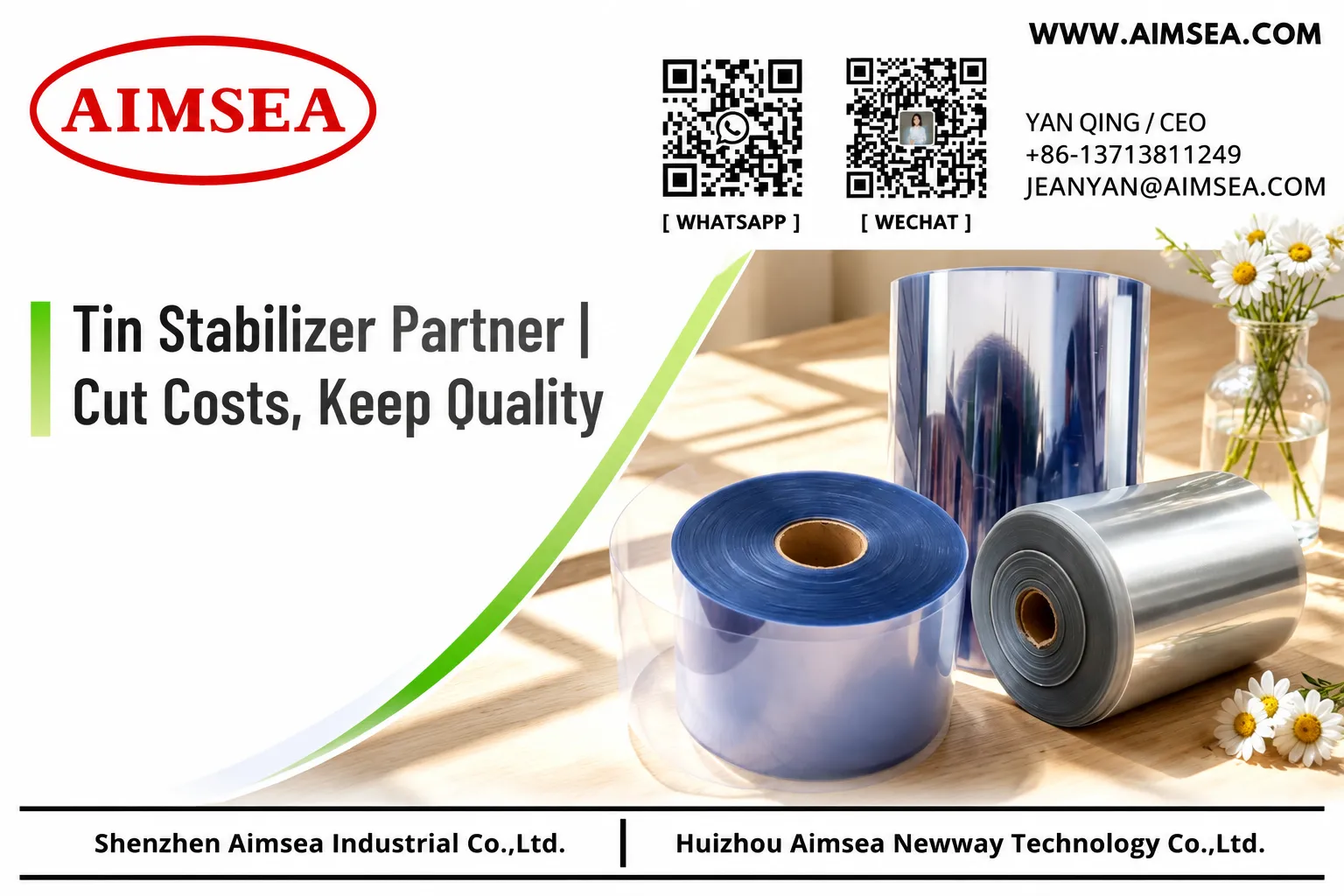
Transparent PVC is one of the most visually demanding PVC applications. A small color shift, haze increase, odor issue or plate-out problem can directly affect product grade. That is why many clear PVC sheet, rigid transparent sheet, shrink film and transparent film manufacturers have historically used organotin stabilizers.
Organotin systems are valued because they can provide excellent thermal performance and are commonly used in high-clarity PVC systems. SpecialChem notes that organotin mercaptides offer excellent thermal performance and are among the most efficient PVC thermal stabilizers.
However, transparent PVC manufacturers are no longer evaluating stabilizers by clarity alone. They also care about odor, production environment, export compliance, processing smoothness and customer perception. AIMSEA’s internal PVC stabilizer overview also points out the practical trade-off: organotin stabilizers can offer excellent transparency and long-term heat stability, but some systems may have odor, limited self-lubrication, weathering limitations or toxicity concerns depending on type.
The Buyer’s Real Question
For many overseas buyers, the question is not “Can I remove organotin immediately?” A more realistic question is:
Can I reduce organotin dependence while maintaining clarity, heat stability and production performance?
This is where a tin stabilizer partner becomes relevant.
What Is a Tin Stabilizer Partner for Transparent PVC?
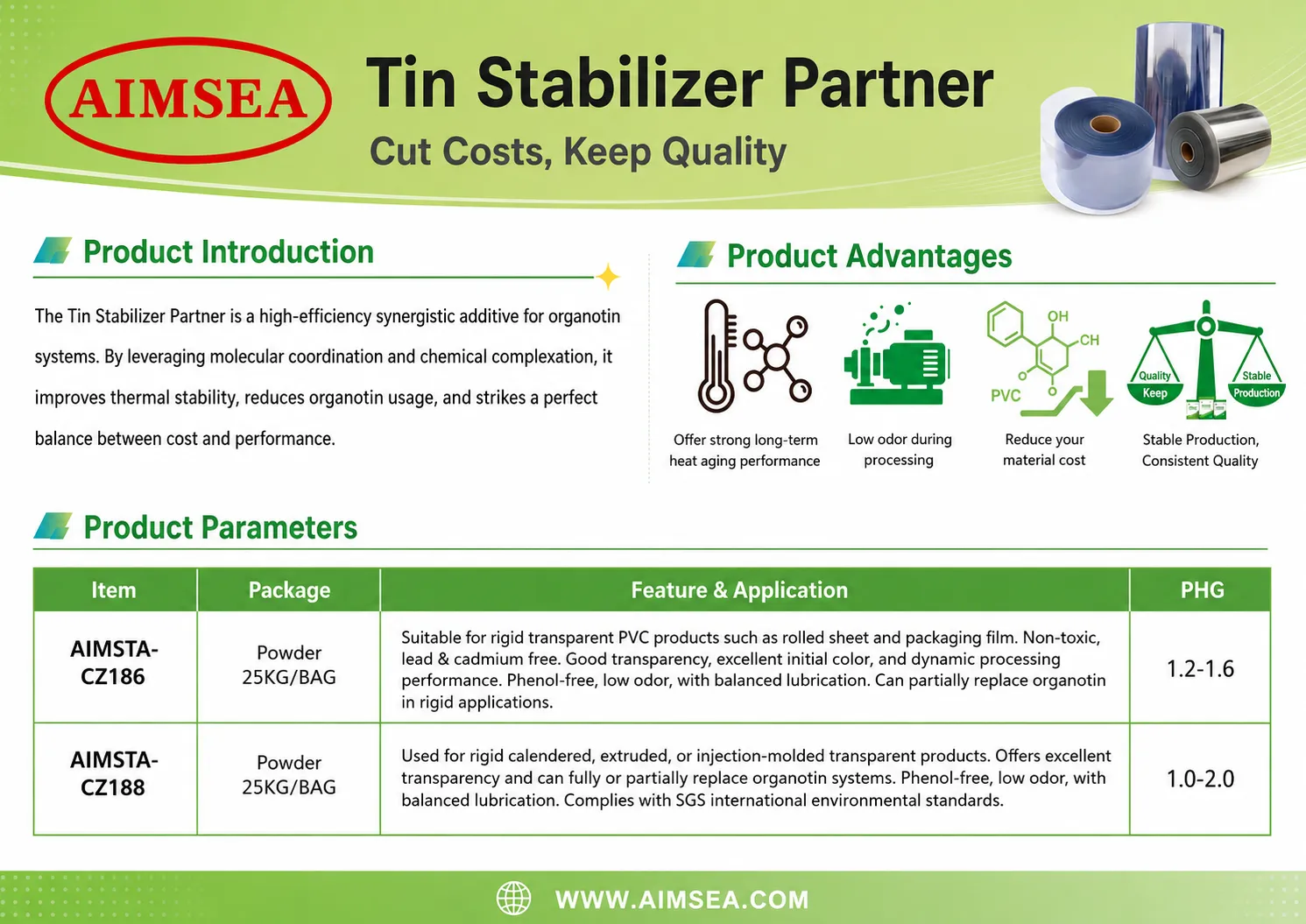
A tin stabilizer partner is a Ca-Zn stabilizer solution used together with an organotin system to improve the overall stabilizer package. It is not positioned as a simple filler or a low-cost substitute. Its role is to support a better balance between transparency, odor control, processing stability and environmental direction.
AIMSEA’s CZ186 material describes “organotin partner” as a non-toxic Ca-Zn stabilizer used together with organotin. The logic is that Ca-Zn stabilizer can complement the weakness of organotin systems and help reduce odor while maintaining transparent PVC performance.
In practical production, this can be useful for manufacturers who produce:
1.Transparent PVC sheet
2.Rigid transparent PVC sheet
3.Transparent film
4.PVC shrink film
5.White film
6.Clear packaging sheet
7.Transparent calendered products
8.Transparent rigid or semi-rigid products
A Ca-Zn co-stabilizer for transparent PVC should not be selected only by model name. It should be selected by application, processing method and target test result.
What a Tin Partner System Should Improve?
Production Need | What a Tin Stabilizer Partner Should Support |
Lower odor direction | Reduce strong organotin odor impact in processing |
Transparent appearance | Maintain high clarity and low haze |
Initial color control | Reduce early yellow tone during processing |
Processing stability | Support smoother calendering, extrusion or sheet production |
Lower plate-out risk | Help keep rollers, dies or molds cleaner |
Environmental positioning | Support lead-free Ca-Zn direction and organotin-reduction discussion |
Trial flexibility | Allow manufacturers to test a staged stabilizer adjustment |
The goal is not to make unsupported replacement claims. The goal is to give transparent PVC manufacturers a practical technical path.
When to Use CZ186 as a Ca-Zn Co-Stabilizer with Organotin?
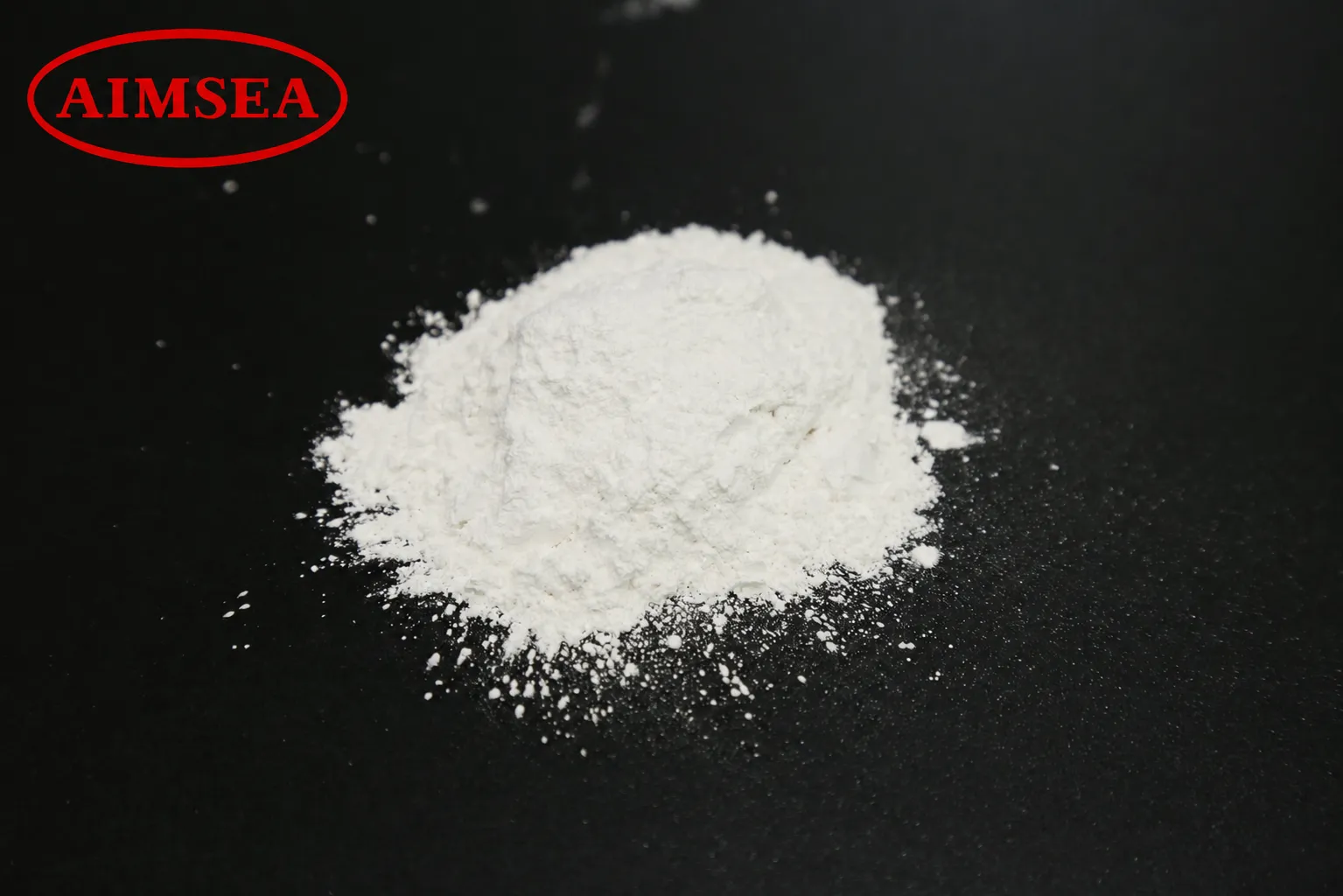
CZ186 is most relevant when the manufacturer is already using organotin and wants to explore an organotin-reduction direction without immediately changing the whole production system.
AIMSEA’s CZ186 internal testing material uses transparent sheet as the application scenario and evaluates static aging, light transmittance, haze, impact, heat shrinkage and tensile performance. The material reports that transparent sheets made with the organotin-partner direction achieved similar physical performance to the full organotin reference under the tested conditions.
Recommended Use Direction for CZ186
Situation | Why CZ186 May Be Suitable |
Existing organotin system is working but odor is a concern | CZ186 is positioned as a Ca-Zn partner to reduce odor direction |
Transparent sheet requires stable clarity | Internal testing focuses on transparent sheet performance |
Manufacturer wants staged organotin reduction | CZ186 can be evaluated as a co-stabilizer route |
Production process should not change dramatically | CZ186 is suitable for trialing within existing transparent PVC process logic |
Buyer wants better environmental positioning | Ca-Zn direction supports lead-free and lower-odor discussion |
CZ186 is not a universal answer for every transparent PVC product. It is better seen as a practical bridge between full organotin systems and greener transparent PVC stabilizer development.
When to Consider CZ188 for High-Clarity Transparent PVC?
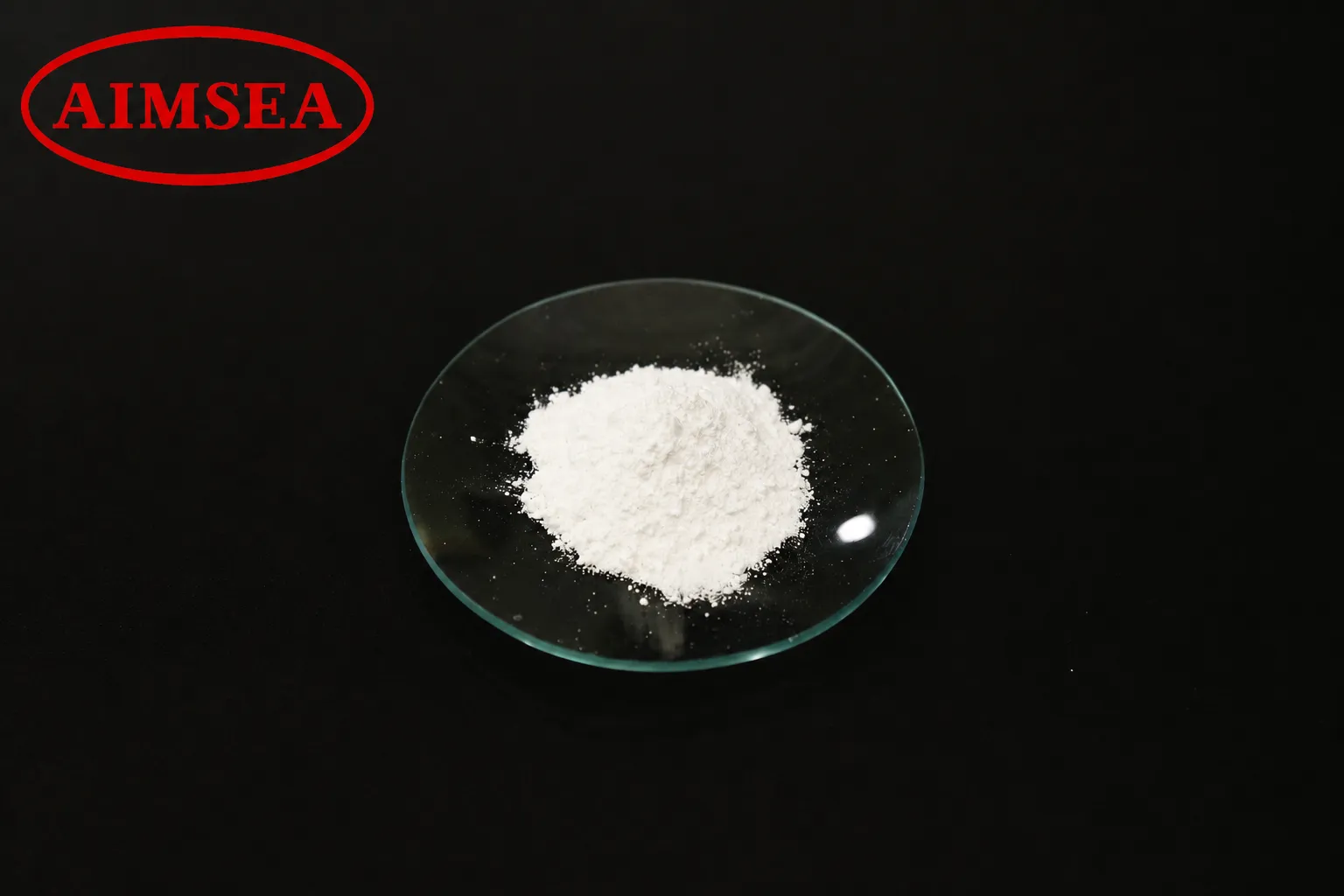
CZ188 is more relevant when the manufacturer wants a higher Ca-Zn transparent stabilizer direction for rigid transparent PVC products. AIMSEA’s CZ188 material positions it as a rigid transparent Ca-Zn stabilizer with no organotin, no irritating odor, non-toxic direction, good initial whiteness, long-term heat stability, no precipitation/fogging tendency, some self-lubrication and good transparency for crystal-clear products.
In the reported comparison, CZ188 and an organotin reference showed close optical results under tested conditions: the organotin stabilizer showed 86.7% transmittance and 2.7% haze, while CZ188 showed 86.3% transmittance and 2.8% haze.
Recommended Use Direction for CZ188
Situation | Why CZ188 May Be Suitable |
Rigid transparent PVC needs a Ca-Zn direction | CZ188 is positioned for rigid transparent products |
Buyer wants organotin-free discussion | CZ188 is described as no-organotin in AIMSEA material |
Low odor is important | CZ188 is positioned as no irritating odor |
High clarity is required | Internal testing includes transmittance and haze comparison |
Plate-out or fogging concern exists | CZ188 is positioned with no precipitation/fogging tendency |
CZ188 can be considered when the manufacturer is ready to evaluate a stronger Ca-Zn transparent PVC route rather than only a tin-partner reduction route.
CZ186 vs CZ188: Application-Based Selection Logic
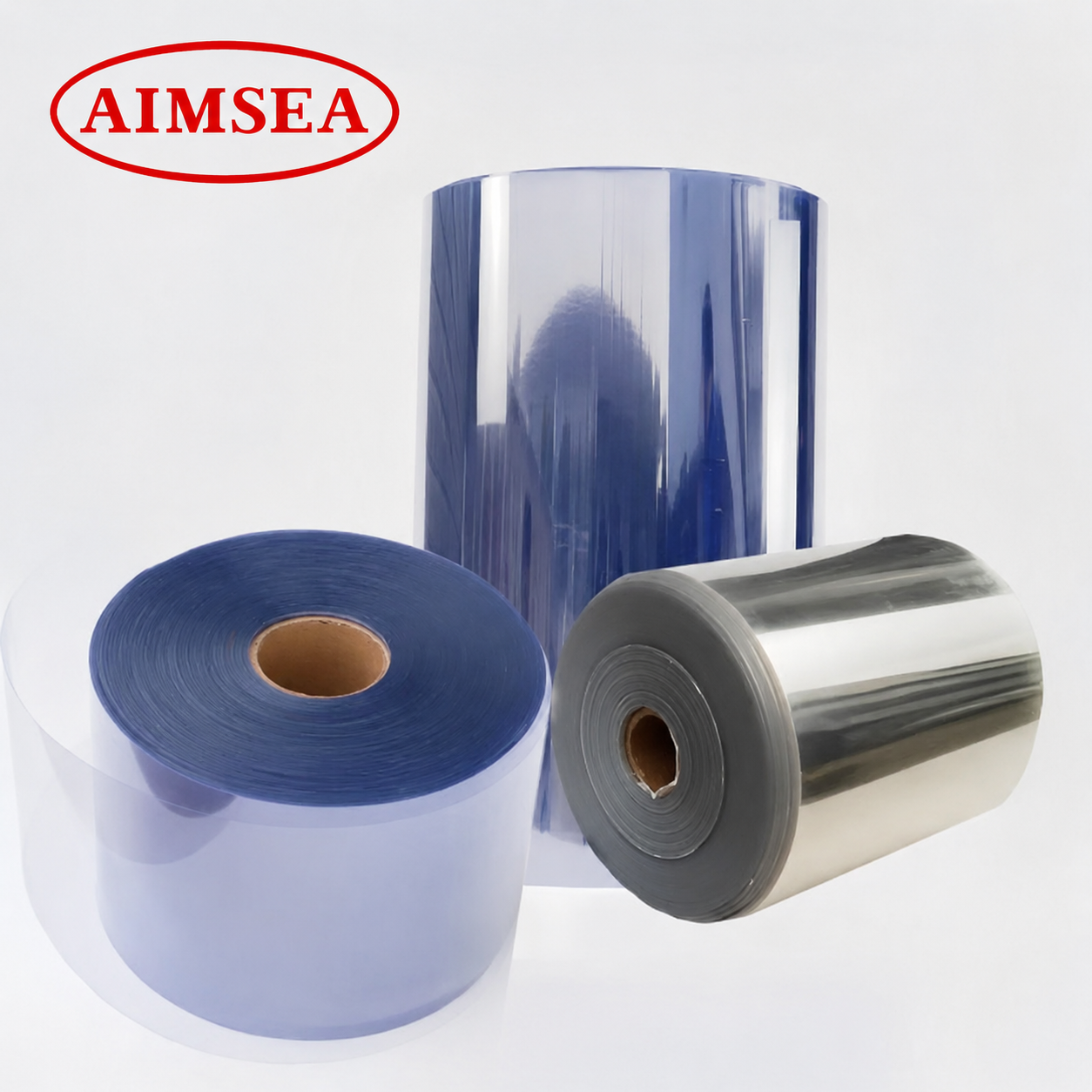
CZ186 and CZ188 should not be compared simply as “which one is better.” They serve different selection scenarios.
Selection Factor | CZ186 | CZ188 |
Main role | Ca-Zn partner used with organotin system | Rigid transparent Ca-Zn stabilizer direction |
Best starting point | Organotin-reduction trial | Higher Ca-Zn transparent stabilizer evaluation |
Suitable product logic | Transparent sheet, rigid sheet, film-related organotin-reduction systems | Rigid transparent PVC and crystal-clear products |
Main buyer concern | Reduce organotin reliance, odor direction, maintain performance | Organotin-free direction, clarity, heat stability, low odor |
Testing priority | Compare against current organotin system | Compare clarity, haze and heat aging against existing stabilizer |
Positioning | Tin stabilizer partner | Transparent Ca-Zn stabilizer solution |
Simple Selection Rule
Choose CZ186 if your current organotin system is acceptable but you want to test an organotin-reduction or lower-odor direction.
Choose CZ188 if your target is a more complete Ca-Zn transparent stabilizer direction, especially for rigid transparent PVC products requiring high clarity and low odor.
Organotin Reduction for Transparent Sheet, Film and White Film
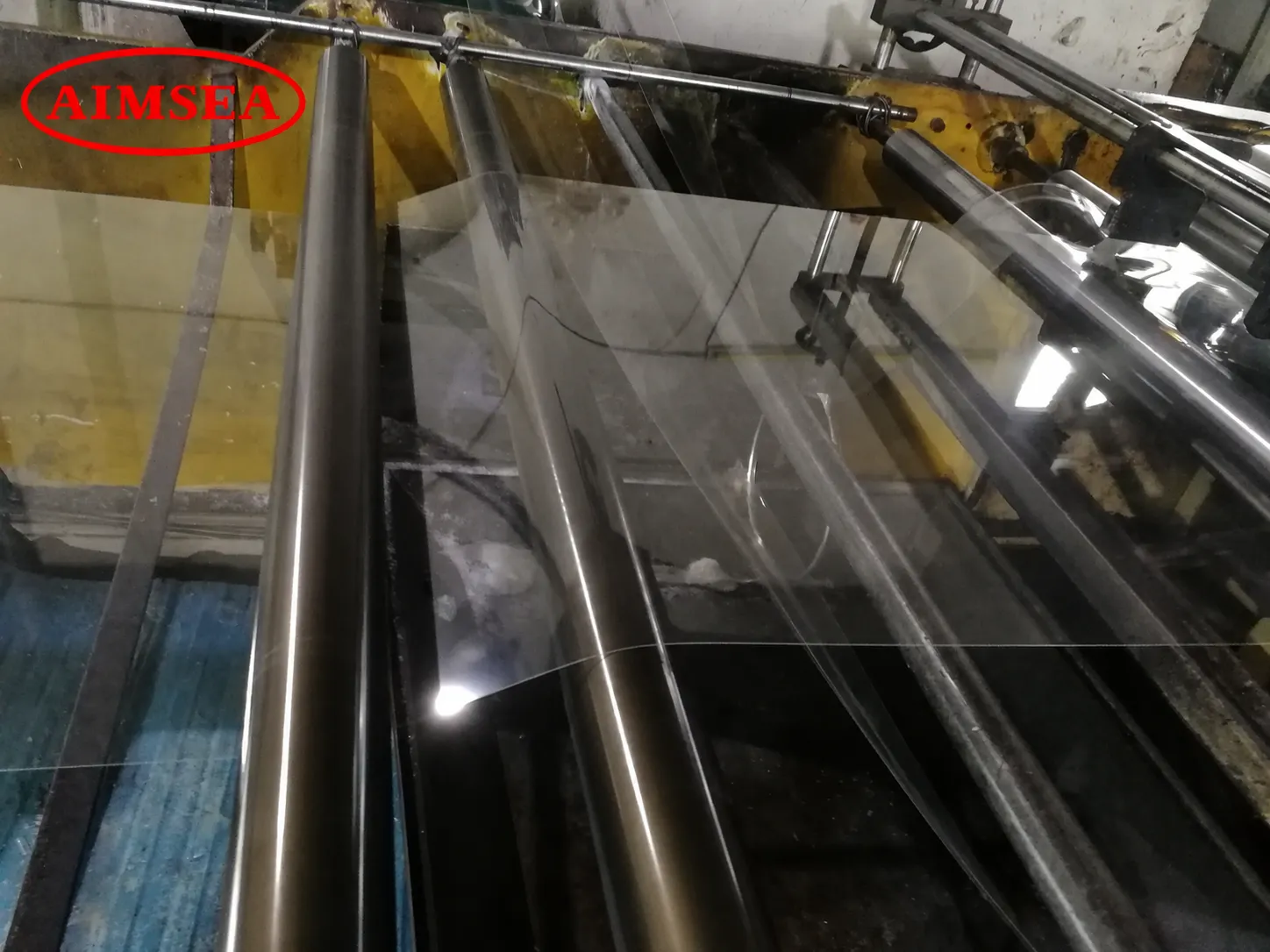
Transparent PVC manufacturers should think by product type. The same tin partner system may behave differently in sheet, film and white film production.
Product Type | Main Risk | Stabilizer Selection Direction |
Transparent sheet | Yellowing, haze, surface defects | CZ186 if reducing organotin; CZ188 if evaluating Ca-Zn transparent direction |
Rigid transparent sheet | Heat aging, clarity, impact balance | CZ188 or Ca-Zn-based transparent system |
PVC shrink film | Haze, heat history, film stability | Organotin-partner trial only after film-line testing |
Transparent film | Plate-out, roller cleanliness, clarity | Prioritize low haze and low precipitation |
White film | Initial whiteness, color drift | Test color Lab, aging and roller cleanliness |
Clear packaging sheet | Odor, haze, customer perception | Prioritize low odor and optical data |
AIMSEA’s official PVC stabilizer page lists transparent PVC applications such as clear PVC sheet, rigid sheet, shrink film, transparent film, white film, hose and packaging, with high clarity, low haze, yellowing control and low-odor processing as performance targets.
For buyers, this matters because “transparent PVC” is not one application. Sheet buyers may care most about haze and heat aging. Film buyers may care more about roller cleanliness and plate-out. White film buyers may prioritize initial color and color consistency.
Key Tests Before Switching to a Tin Partner System
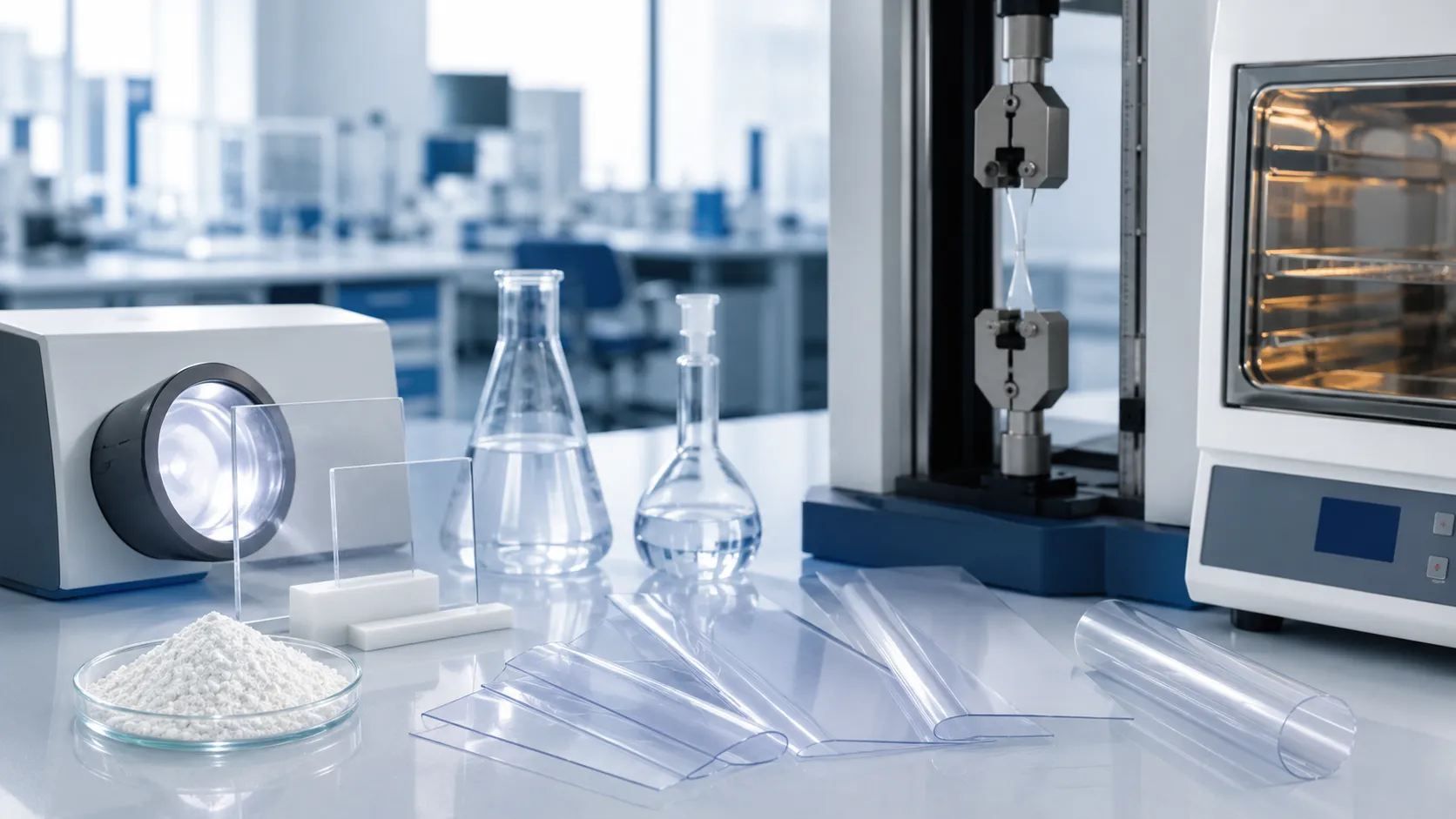
A tin partner system should not be accepted based only on a small visual sample. Transparent PVC requires measured optical and processing data.
Recommended Testing Indicators
Test Item | Why It Matters |
Light transmittance | Confirms clarity quantitatively |
Haze | Measures cloudiness and light scattering |
Static heat aging | Shows yellowing and long-term thermal behavior |
Dynamic processing test | Tests performance under heat and shear |
Color Lab / yellowness index | Converts color change into measurable data |
Plate-out observation | Checks roller, die or mold cleanliness |
Odor evaluation | Important for transparent sheet, film and packaging |
Surface gloss | Shows finished product visual quality |
Production trial | Confirms real-line processing stability |
Intertek explains that haze is the scattering of light as it passes through a transparent material, while luminous transmittance measures the amount of light passing through a sample. These measurements are useful for product development, process development and end-use performance testing.
What Not to Do?
Do not switch stabilizers based only on:
1.One small clear sample
2.A verbal claim of transparency
3.Unit price comparison
4.A copied formula from another factory
5.A stabilizer model name without process details
Transparent PVC requires actual line validation because heat history, shear, roller condition, formulation balance and thickness all affect clarity.
What to Provide When Requesting CZ186 or CZ188 Samples?
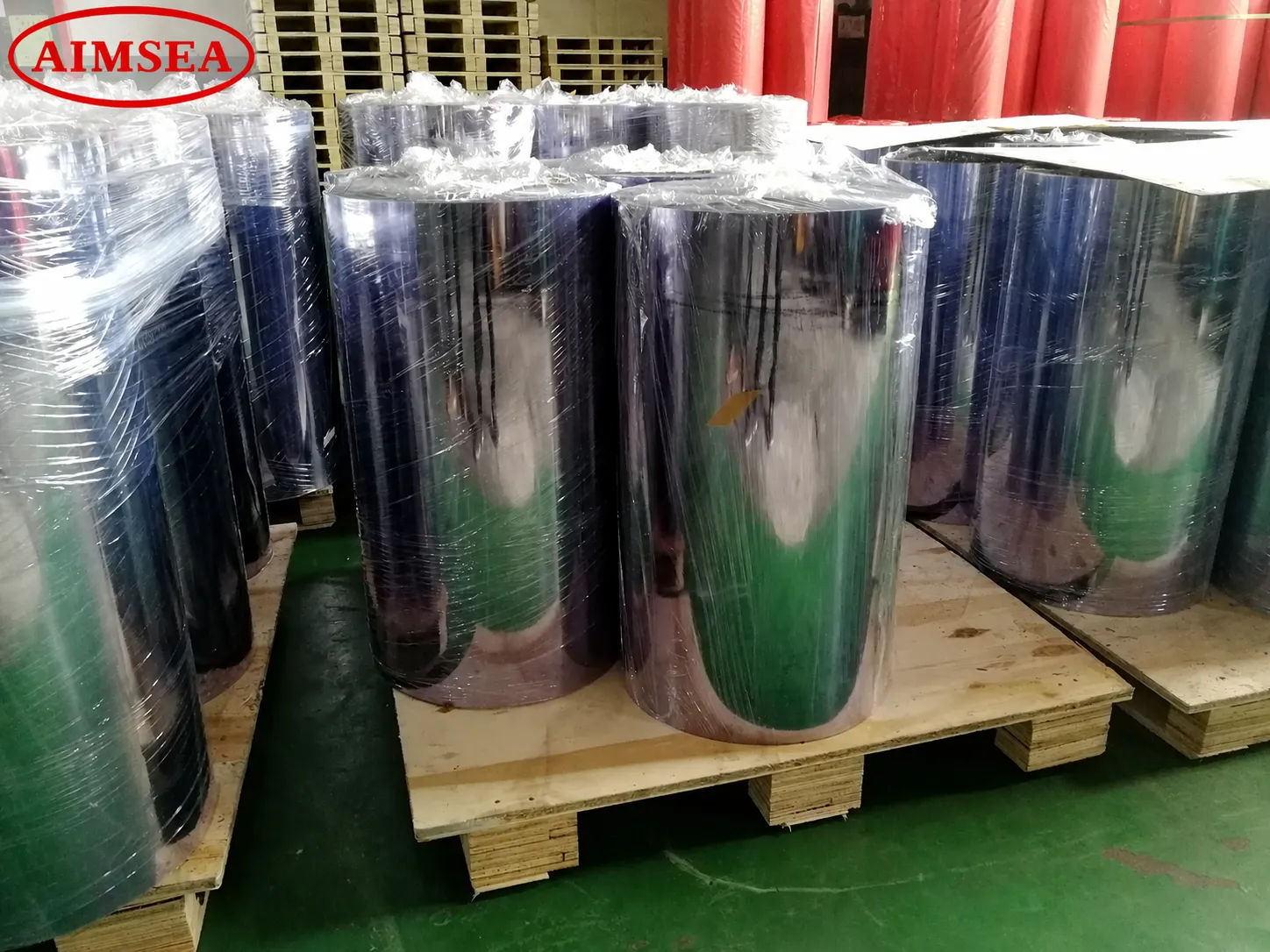
AIMSEA can provide better technical support when the inquiry is specific. A vague request such as “send transparent stabilizer” is not enough.
Recommended Inquiry Information
Information to Provide | Why It Matters |
Product type | Sheet, rigid sheet, shrink film, transparent film or white film |
Current stabilizer system | Full organotin, mixed system or Ca-Zn system |
Main goal | Tin reduction, odor reduction, clarity improvement or plate-out control |
Processing method | Calendering, extrusion, pressing or film production |
Current issue | Yellowing, haze, odor, deposits, fogging or color drift |
Resin grade and K value | Affects fusion and optical behavior |
Plasticizer and lubricant system | Affects transparency, migration and plate-out |
Target market | Helps determine compliance document needs |
Required tests | Haze, transmittance, heat aging, odor or production trial |
Example Inquiry
“We produce transparent PVC sheet by calendering. Our current organotin system gives good clarity, but odor and customer environmental requirements are becoming more important. We want to evaluate a tin stabilizer partner or Ca-Zn co-stabilizer without disclosing formulas publicly. Please advise whether CZ186 or CZ188 is more suitable and what sample tests should be done.”
This gives enough context for a real technical recommendation.
FAQs About Tin Stabilizer Partners
What is a tin stabilizer partner for transparent PVC?
A tin stabilizer partner is a Ca-Zn stabilizer used together with an organotin system to support organotin reduction, lower odor direction, transparent appearance and processing stability.
Is CZ186 an organotin replacement PVC stabilizer?
CZ186 is better described as a Ca-Zn co-stabilizer or tin stabilizer partner for transparent PVC systems. It can be tested for organotin-reduction direction, but final replacement level depends on product, formula and process validation.
When should I use CZ186?
Use CZ186 when your factory already uses organotin and wants to test lower organotin dependence, reduced odor direction and stable transparent sheet performance without immediately changing the whole system.
When should I use CZ188?
Use CZ188 when the target is a more complete Ca-Zn transparent stabilizer direction, especially for rigid transparent PVC products requiring high clarity, low odor, good heat stability and low precipitation/fogging tendency.
Can CZ186 or CZ188 be used for PVC shrink film?
They may be evaluated for transparent film-related applications, but shrink film requires careful production-line testing. Haze, shrink behavior, roller cleanliness, heat aging and odor should be tested before bulk use.
Will AIMSEA disclose formula ratios or prices in this article?
No. This article only explains application scenarios, selection logic, testing indicators and inquiry information. Formula ratios, prices and complete production formulas should be discussed directly with AIMSEA under project conditions.
What tests are most important for transparent PVC?
The most important tests are haze, light transmittance, static heat aging, dynamic processing stability, color Lab/yellowness index, plate-out observation, odor evaluation and production trial performance.
Conclusion
Transparent PVC manufacturers need more than a stabilizer that simply prevents thermal degradation. They need a stabilizer system that protects clarity, reduces yellowing, controls odor, avoids plate-out and supports export-oriented environmental expectations.
For factories already using organotin systems, CZ186 can be evaluated as a tin stabilizer partner or Ca-Zn co-stabilizer for transparent PVC, especially when the goal is organotin reduction, lower odor and stable transparent sheet performance.
For manufacturers seeking a stronger Ca-Zn transparent stabilizer direction, CZ188 can be evaluated for rigid transparent PVC and crystal-clear product applications where high transparency, low odor, heat stability and low precipitation/fogging tendency are important.
The right approach is not to copy a ratio or ask for a universal formula. The right approach is to define the transparent PVC product, identify the main problem, run optical and thermal tests, then confirm real-line processing stability before bulk use.
References
1.SpecialChem PVC Heat Stabilizers Guide: organotin mercaptides offer excellent thermal performance and are among the most efficient thermal stabilizers.
2.AIMSEA PVC Stabilizer page: transparent PVC applications include clear sheet, rigid sheet, shrink film, transparent film, white film, hose and packaging, with high clarity, low haze and low-odor processing targets.
3.AIMSEA CZ186 organotin partner material: CZ186 is described as a non-toxic Ca-Zn stabilizer used together with organotin, with transparent sheet testing and performance comparison.
4.AIMSEA CZ188 rigid transparent Ca-Zn material: CZ188 is positioned for high-clarity rigid transparent PVC with no organotin, low odor, good heat stability and haze/transmittance testing.
5.Intertek ASTM D1003 summary: haze and luminous transmittance are key optical tests for transparent plastics.
6.TÜV Rheinland summary of EU REACH lead restriction in PVC articles: lead concentration above 0.1% by weight of PVC material is restricted from November 29, 2024.