
How to Find a Reliable PVC Heat Stabilizer Manufacturer in China?
Read:319
Source:
Abstract
Finding a reliable PVC heat stabilizer manufacturer in China is not only about comparing prices. For overseas PVC manufacturers, the real risk is whether the stabilizer can keep production stable, meet application requirements, support compliance documents, and remain consistent from one batch to the next.
A reliable supplier should be evaluated by factory history, R&D capability, testing equipment, sample support, compliance documents, batch stability, export experience and technical service. This guide explains how buyers can screen a China PVC stabilizer manufacturer before placing bulk orders, and how AIMSEA’s experience since 1997, testing capability, patented technologies and application-based support can help reduce sourcing risk.
Why Choosing the Right PVC Stabilizer Supplier Matters?
A PVC stabilizer is not a simple commodity additive. It affects processing stability, color control, thermal resistance, plate-out behavior, product appearance and long-term quality. If the stabilizer is not suitable, a factory may face yellowing, poor fusion, surface defects, low output, unstable extrusion, roller deposits or customer complaints.
For overseas buyers, choosing a PVC heat stabilizer manufacturer in China means evaluating both the product and the technical system behind it. The best supplier should understand how the stabilizer works in pipes, fittings, profiles, cables, flooring, transparent PVC products, recycled PVC and other applications.
AIMSEA’s official PVC stabilizer page states that the company provides lead-free calcium-zinc PVC stabilizers and customized heat stabilizer solutions for pipes, fittings, profiles, flooring, cables, transparent PVC products and recycled PVC applications. It also highlights high thermal stability, low odor, yellowing control, custom solutions and sample support.
Quick Answer
A reliable China PVC stabilizer manufacturer should have a long operating history, strong R&D team, complete testing equipment, stable production control, compliance document support, sample trial service and export communication capability. Price should be considered only after the supplier proves technical reliability.
Check Factory History Before Choosing a PVC Heat Stabilizer Manufacturer
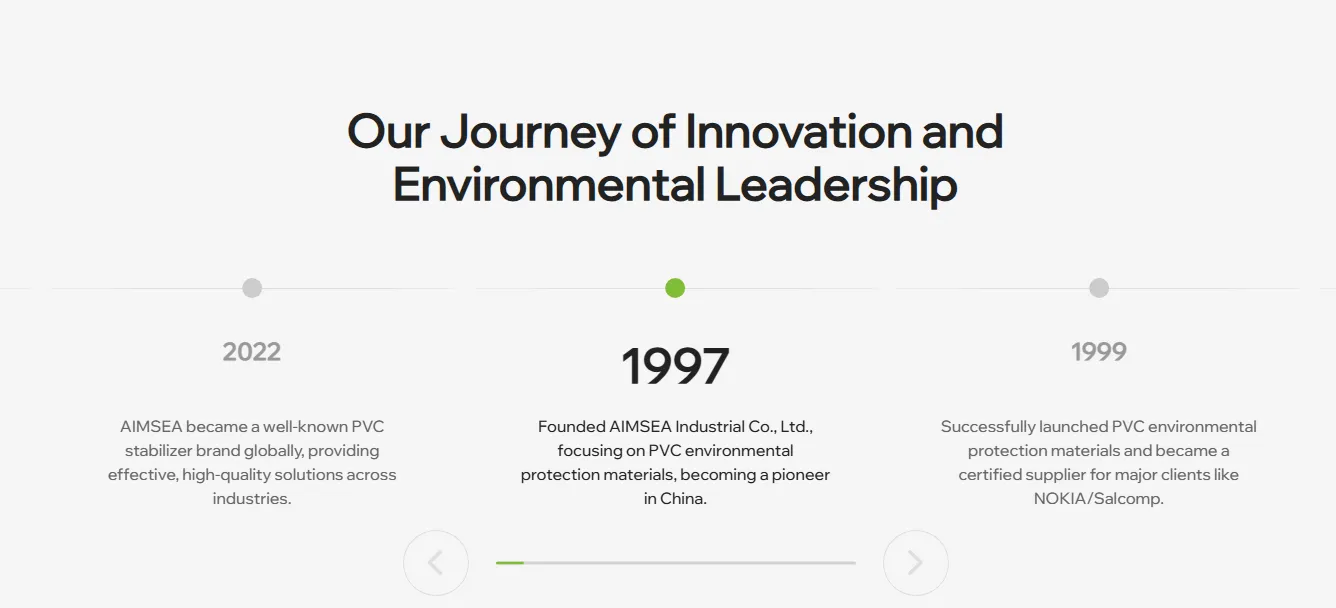
Factory history matters because PVC heat stabilizer production is experience-driven. A supplier that has worked through different applications, raw material changes, export requirements and customer production problems usually understands formulation risk better than a trading company.
A short-history supplier may only sell standard grades. A mature manufacturer can often explain why one stabilizer works for a pipe but not for a cable, why a transparent product becomes hazy, or why a high-filler formula needs a different lubrication balance.
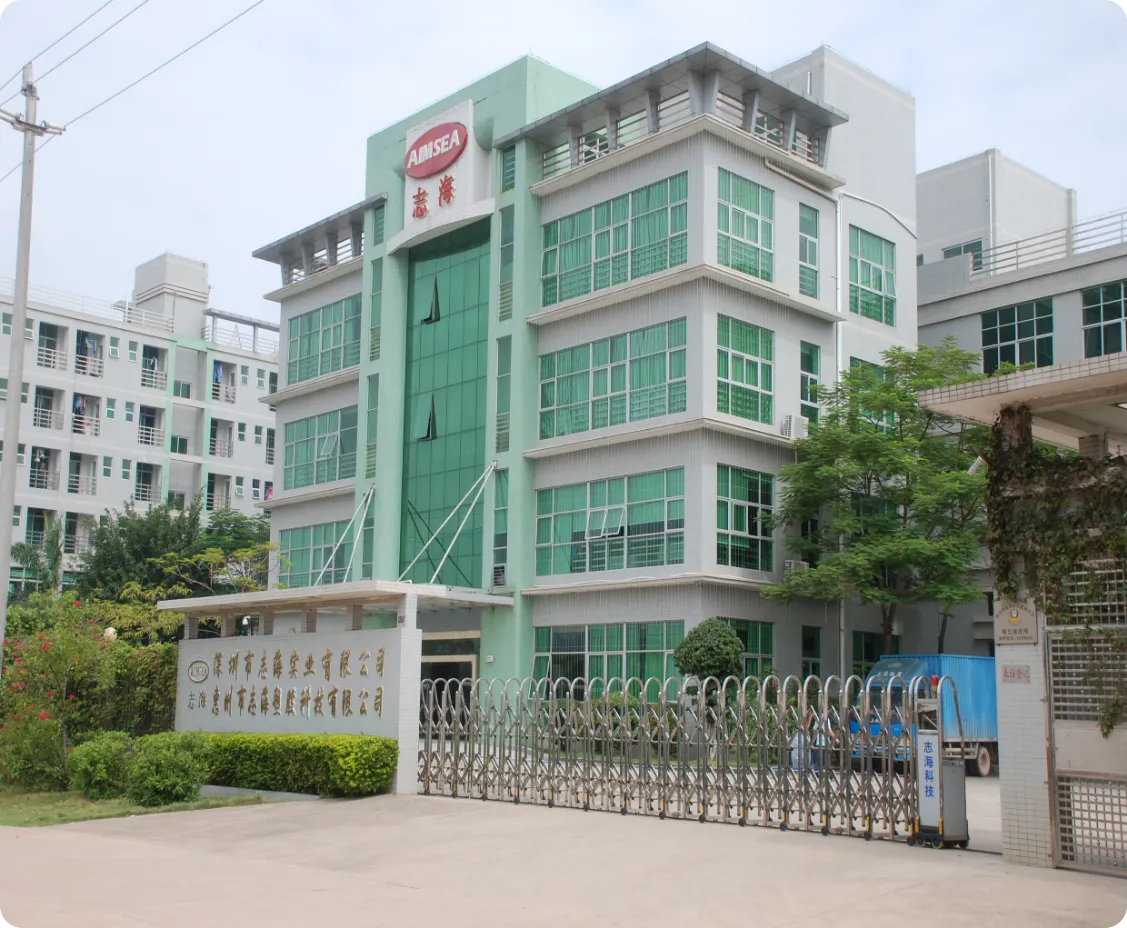
AIMSEA’s About page states that AIMSEA Industrial Co., Ltd. was founded in 1997 and lists 28+ years of innovation, 30+ patented technologies, 50+ advanced testing equipment and 60,000 tons of annual production capacity.
What Buyers Should Verify?
Evaluation Point | Why It Matters |
Year established | Shows long-term industry experience |
Factory ownership | Confirms whether the supplier is a manufacturer or trader |
Product focus | A specialized PVC stabilizer supplier is usually more reliable |
Application history | Shows whether the supplier understands your product |
Technical cases | Indicates real production problem-solving ability |
Capacity | Helps confirm stable bulk supply |
A reliable supplier should be able to show not only a company profile, but also technical knowledge from real customer production.
Evaluate R&D Capability and Application Experience
A real PVC stabilizer supplier should have R&D capability, not just a sales catalog. PVC formulas change by application. A stabilizer for SPC flooring is different from one for wire and cable. A transparent PVC stabilizer is different from one for pipe fittings. A recycled PVC formula may need odor control, compatibility support and more flexible processing adjustment.
AIMSEA’s internal technical material describes the company as a professional developer and producer of non-toxic, environmentally friendly PVC stabilizers, and notes its product fields include wire and cable, flexible PVC, profiles, pipe and fittings, indoor rigid PVC, toys, medical parts and foaming products. It also describes a technical service team covering process service, formulation service and application service.
Signs of Strong R&D Capability
R&D Indicator | What It Shows |
Application-specific products | Supplier understands different PVC processing needs |
Technical service team | Buyer can get help after sample testing |
Patented technologies | Indicates formulation development capability |
Formulation adjustment support | Helps solve real production issues |
Experience with multiple PVC products | Reduces wrong-grade recommendation risk |
A buyer should avoid suppliers that only say “this stabilizer works for all PVC.” In PVC processing, universal claims usually mean weak application understanding.
Inspect Testing Equipment and Sample Support
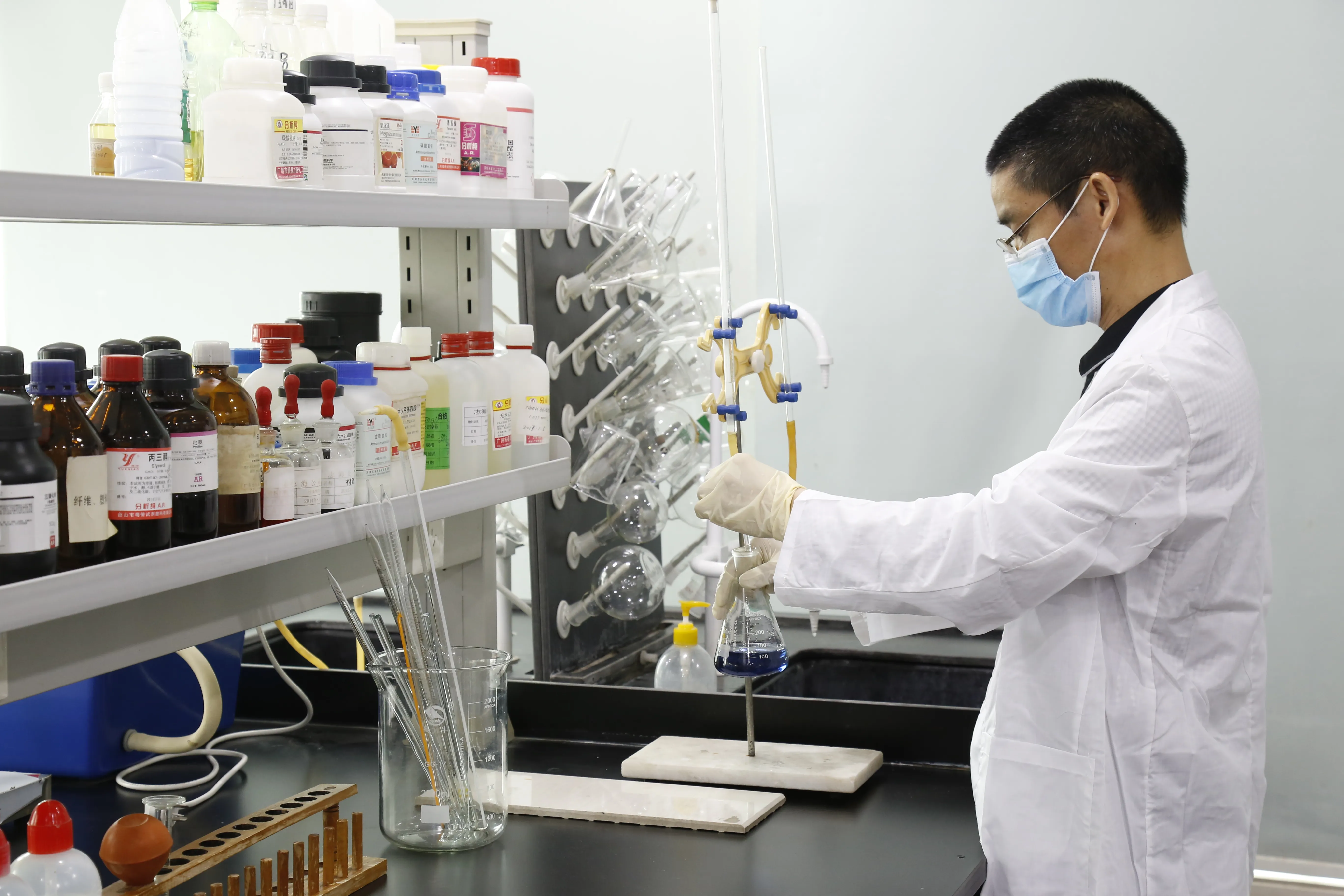
Testing capability is one of the clearest differences between a real manufacturer and a simple reseller. A supplier should not only provide a sample; it should explain how that sample will be tested and what results matter.
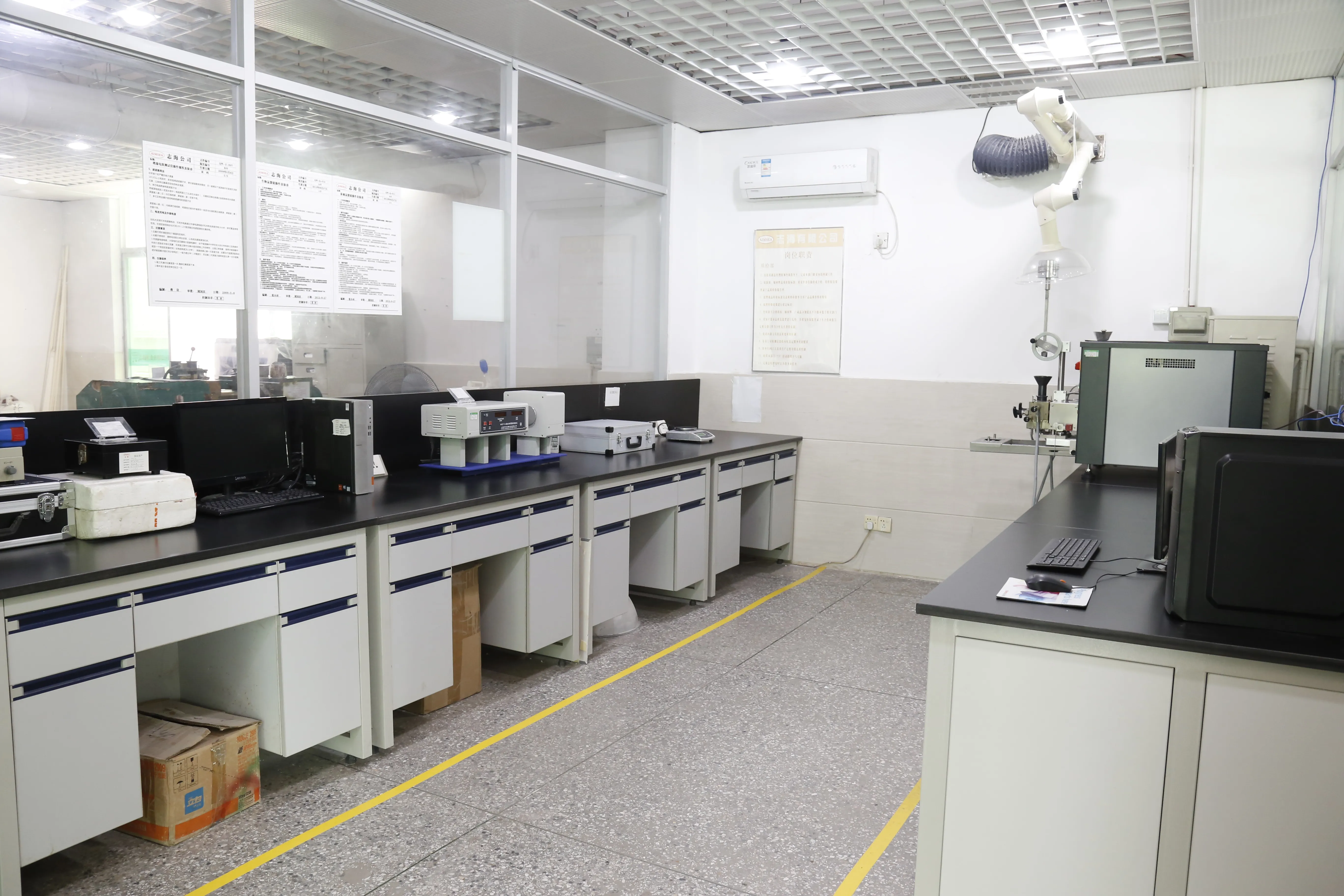
AIMSEA’s internal documents list testing and R&D equipment such as twin-roll mills, QUV, aging ovens, automatic aging equipment, colorimeter, light transmittance and haze tester, torque rheometer, elemental analyzer and constant temperature/humidity chamber.
These tools are important because PVC stabilizers must be evaluated under heat, shear, color, optical, aging and processing conditions.
Key Tests a Manufacturer Should Support
Test Item | What It Proves |
Static heat aging | Color stability and thermal resistance |
Dynamic processing test | Heat and shear performance |
Torque rheometer test | Fusion time, torque and processing behavior |
Color Lab test | Measurable whiteness or yellowing trend |
Haze and transmittance | Required for transparent PVC products |
Plate-out observation | Long-run cleanliness of rollers, dies and molds |
Heavy metal testing | Supports lead-free and export requirements |
Production trial support | Confirms real machine performance |
A reliable PVC heat stabilizer manufacturer should help the buyer turn a sample into data, not just send powder and wait for feedback.
Review Compliance Documents and Lead-Free Stabilizer Direction
Compliance is now a major sourcing issue. Export buyers increasingly ask for RoHS, REACH, EN71-3, heavy metal reports, food-contact-related documents or application-specific declarations.
The EU has strengthened restrictions on lead in PVC. TÜV Rheinland summarizes that lead shall not be placed on the market or used in PVC articles at concentrations above 0.1% by weight of PVC material, effective November 29, 2024, with certain derogations.
This trend makes lead-free calcium-zinc stabilizers more important for exporters. It also means buyers should not simply ask whether a product is “environmentally friendly.” They should request actual compliance documents.
Documents Buyers Should Request
Document Type | Why It Matters |
RoHS report | Checks restricted substances for electronic and export markets |
REACH statement or report | Supports EU chemical compliance discussion |
Heavy metal test report | Important for lead-free, cadmium-free and toy-related products |
EN71-3 report | Relevant for toys and consumer products |
SDS / TDS | Basic product handling and technical information |
COA by batch | Confirms quality data for each shipment |
Sample test report | Shows application performance before order |
AIMSEA’s internal materials mention RoHS, REACH and EN71-3-related environmental compliance support in product certification discussions.
Check Batch Stability and Production Control
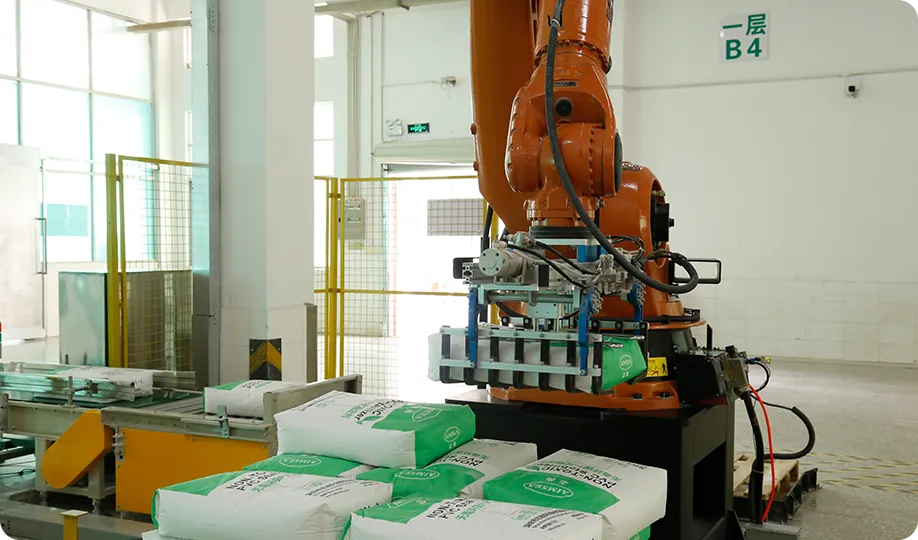
Batch stability is one of the most important but often overlooked factors. A sample may perform well, but if bulk shipments vary, the buyer’s production line can become unstable.
A reliable China PVC stabilizer manufacturer should control raw material quality, weighing accuracy, mixing time, mixing temperature, finished-product appearance, heat stability and batch records.
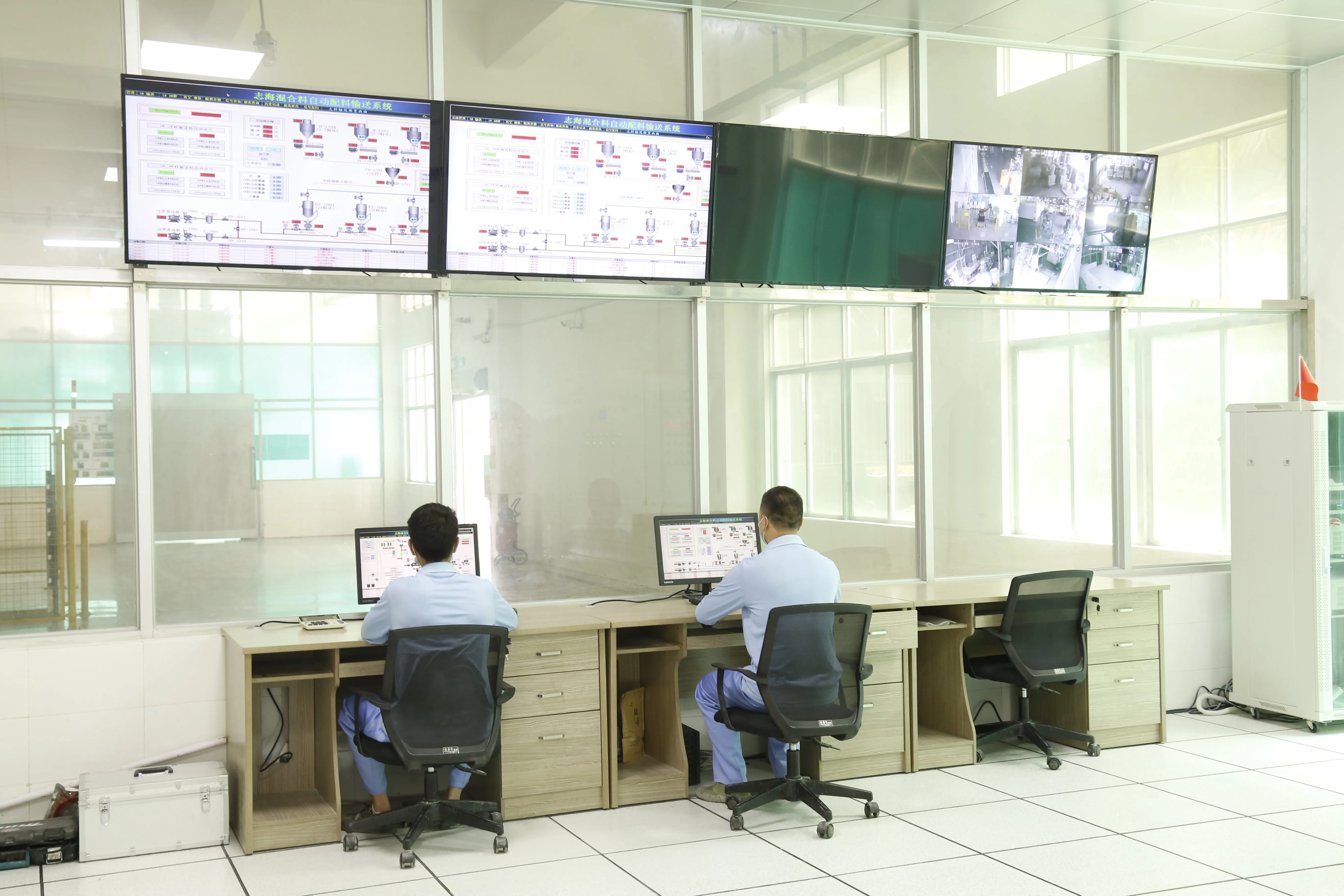
AIMSEA’s internal pipe stabilizer material explains that powder Ca-Zn stabilizer production depends on accurate material ratios, mixing temperature and mixing time. It also states that AIMSEA added an automated production line using computer-based raw material measurement to improve weighing accuracy, reduce batching errors, monitor mixing temperature and control mixing time so each batch is produced under consistent process conditions.
What Batch Control Should Include?
Control Point | Buyer Benefit |
Incoming raw material checks | Reduces variation from suppliers |
Automated weighing | Reduces manual batching errors |
Controlled mixing temperature | Improves consistency and prevents quality drift |
Controlled mixing time | Supports uniform dispersion |
Batch appearance check | Detects abnormal color or caking |
Heat stability test | Confirms stabilizer performance |
Retained samples | Supports later investigation |
COA and traceability | Helps connect shipment to quality records |
The most reliable supplier is not the one that says “our quality is stable.” It is the one that can explain how stability is controlled.
Compare Export Service and Technical Response
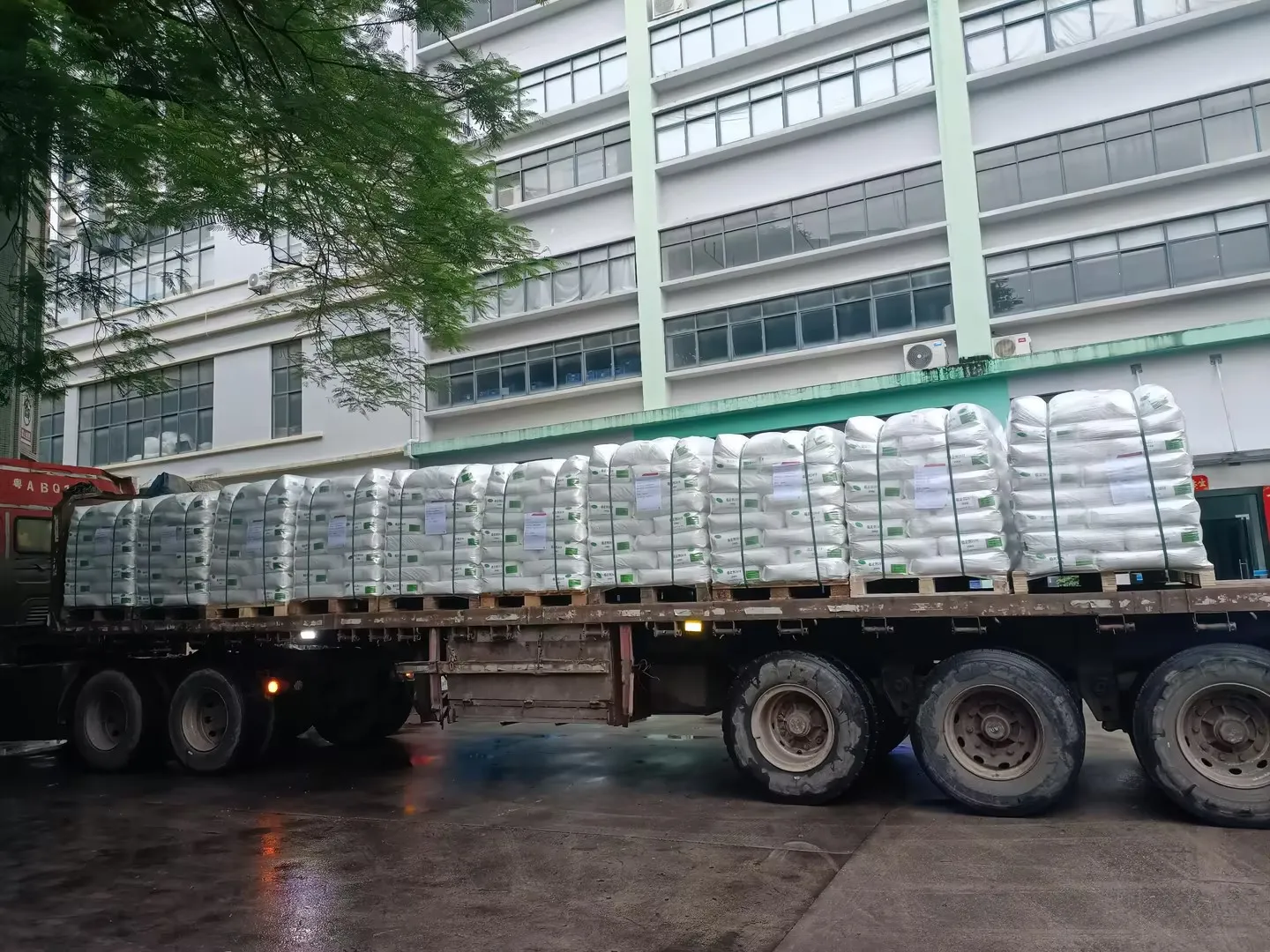
Overseas buyers need more than product quotation. They need a supplier who can respond clearly, recommend the right grade, prepare documents, support trial testing, and communicate after shipment.
A poor supplier may answer every problem with “increase dosage.” A strong supplier asks about formula, machine type, temperature profile, resin grade, filler level, lubricant system, current defect and target market.
What Good Technical Communication Looks Like?
Buyer Question | Reliable Supplier Response |
“Which stabilizer should I use?” | Asks for application, formula and process first |
“My pipe turns yellow.” | Checks heat stability, temperature, residence time and formulation |
“There is plate-out.” | Reviews lubricant, compatibility and low-molecular substances |
“Can you support REACH?” | Provides relevant compliance documents |
“Can I test before buying?” | Offers sample and testing guidance |
“Can you customize?” | Evaluates target performance and production condition |
AIMSEA’s official product positioning emphasizes customized solutions and sample support before bulk ordering, which is important for export buyers trying to reduce trial risk.
PVC Stabilizer Supplier Evaluation Checklist
Before choosing a PVC heat stabilizer manufacturer in China, buyers can use the following checklist.
Evaluation Area | What to Check | Good Sign |
Factory background | Year established, factory ownership | Long-term specialized manufacturer |
R&D capability | Technical team, patents, application experience | Can solve formulation problems |
Testing equipment | Aging, rheology, color, haze, heavy metal tests | Provides test reports and sample support |
Product range | Pipes, cables, profiles, flooring, transparent PVC | Application-specific grades |
Compliance support | RoHS, REACH, EN71-3, SDS, COA | Documents available before order |
Production control | Automated weighing, mixing control, batch records | Stable bulk consistency |
Sample process | Lab test and production trial support | Clear testing plan |
Export service | Communication, documents, packaging, logistics | Experienced overseas support |
Red Flags to Avoid
1.Supplier cannot confirm whether it is a factory or trader.
2.No testing equipment is shown.
3.No technical questions are asked before recommendation.
4.One stabilizer is claimed to work for all PVC products.
5.No COA, SDS or compliance documents are available.
6.Sample quality and bulk quality are inconsistent.
7.Price is discussed before application is understood.
8.Supplier cannot explain yellowing, plate-out or processing instability.
Questions to Ask Before Requesting a Sample
To make a sample request useful, the buyer should ask targeted questions.
Recommended Buyer Questions
1.Are you a PVC stabilizer manufacturer or trading company?
2.When was your factory established?
3.What PVC applications do you specialize in?
4.What testing equipment do you use before shipment?
5.Can you provide RoHS, REACH, SDS and COA?
6.Can you recommend a stabilizer based on my formula and process?
7.Do you support static aging, dynamic processing or torque testing?
8.Can you provide a sample testing plan before bulk purchase?
9.How do you control batch-to-batch stability?
10.Do you keep retained samples for each production batch?
Information Buyers Should Provide
Information | Why It Helps |
Product type | Pipe, profile, cable, flooring, transparent PVC, etc. |
Processing method | Extrusion, injection, calendering, compounding |
PVC resin grade | Affects fusion and heat stability |
Filler and plasticizer level | Changes processing and stabilization needs |
Current stabilizer | Helps compare performance |
Current problem | Yellowing, plate-out, odor, brittleness, poor surface |
Target market | Determines compliance requirements |
Required documents | Helps supplier prepare export-ready files |
The more complete the inquiry, the better the supplier can recommend the right grade.
FAQs About PVC Heat Stabilizer Manufacturers in China
How do I find a reliable PVC heat stabilizer manufacturer in China?
Start by checking factory history, R&D capability, testing equipment, product range, compliance documents, batch control and sample support. A reliable supplier should ask about your application before recommending a stabilizer.
What is the difference between a PVC stabilizer supplier and a manufacturer?
A manufacturer produces and tests stabilizers in its own facility. A supplier may be a manufacturer, trader or distributor. For technical PVC applications, working directly with a manufacturer usually provides better formulation and troubleshooting support.
What documents should I ask from a China PVC stabilizer manufacturer?
Ask for TDS, SDS, COA, RoHS, REACH, heavy metal test reports and application-specific compliance documents when needed. For toys or consumer products, EN71-3 may also be relevant.
Why is R&D capability important when buying PVC heat stabilizers?
Different PVC products require different stabilizer systems. R&D capability allows the manufacturer to adjust stabilizer design for pipes, cables, profiles, flooring, transparent PVC, recycled PVC and other applications.
Should I choose the cheapest PVC stabilizer supplier?
Not necessarily. A low-priced stabilizer may cause yellowing, plate-out, line stoppage, poor surface quality or customer complaints. Total production cost is more important than unit price.
How can I test a PVC stabilizer sample before bulk order?
Test static heat stability, dynamic processing behavior, color, torque, plate-out, surface quality and final product performance. For transparent products, also test haze and light transmittance.
Why consider AIMSEA as a PVC heat stabilizer manufacturer in China?
AIMSEA has focused on PVC stabilizers since 1997 and presents 30+ patented technologies, 50+ advanced testing equipment and 60,000 tons annual production capacity on its official About page. It also supports application-based calcium-zinc stabilizer solutions and sample testing.
Conclusion
Finding a reliable PVC heat stabilizer manufacturer in China requires more than asking for a quotation. Buyers should evaluate whether the supplier has factory history, R&D capability, testing equipment, compliance support, batch stability, sample service and export communication ability.
A qualified PVC stabilizer supplier should help you choose by application, not only by product name. The right manufacturer should understand your process, review your production problem, provide sample testing guidance, support compliance documents and maintain consistent bulk quality.
AIMSEA’s long-term focus on environmentally friendly PVC stabilizers, patented technologies, testing equipment, automated production control and application-based service makes it a strong option for buyers looking for a China PVC stabilizer manufacturer that can support both product performance and sourcing reliability.
References
1.AIMSEA About page: founded in 1997, 30+ patented technologies, 50+ advanced testing equipment and 60,000 tons annual production capacity.
2.AIMSEA PVC stabilizer product information: lead-free calcium-zinc stabilizers, customized heat stabilizer solutions and sample support for multiple PVC applications.
3.AIMSEA internal technical material: company history, product application fields, R&D equipment, service team and compliance-related support.
4.AIMSEA internal pipe stabilizer material: automated weighing, mixing temperature control, testing methods and batch consistency logic.
5.TÜV Rheinland: EU REACH restriction on lead in PVC articles, 0.1% limit effective November 29, 2024.
6.ISO: ISO 9001 provides a framework for consistent products and services, efficiency improvement and meeting customer and regulatory expectations.