
Static Heat Stability vs Dynamic Processing Stability in PVC
Read:4
Source:
A PVC compound may perform well in a Congo Red test or static oven aging test but still develop yellowing, unstable torque, plate-out or black specks during production.
This happens because PVC static heat stability and dynamic processing stability measure different risks.
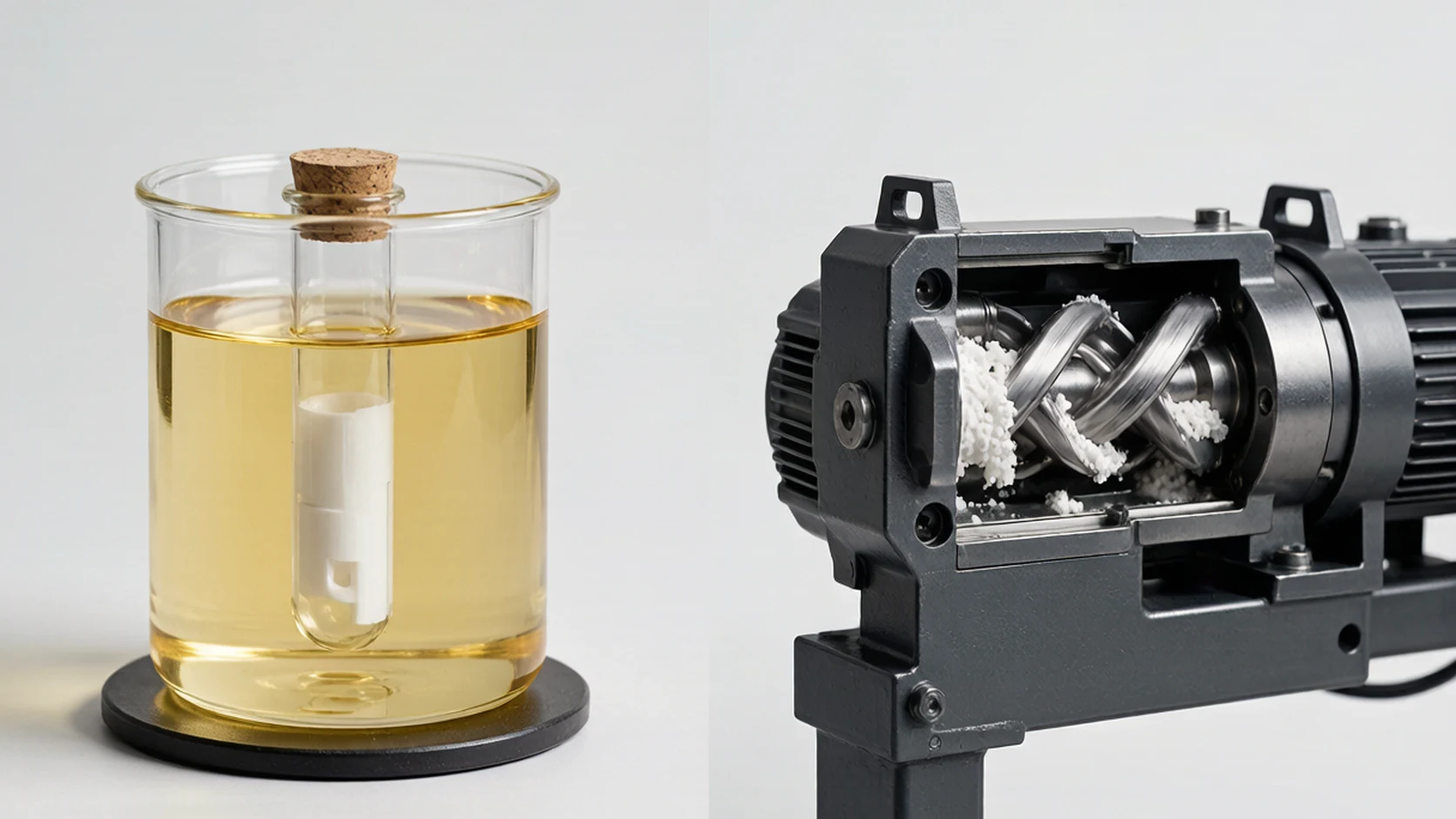
Static heat stability evaluates how PVC resists thermal degradation while being held at a controlled temperature with little or no movement. Dynamic processing stability evaluates how the compound behaves when heat is combined with shear, friction, pressure, fusion and melt flow.
Neither result alone is sufficient to approve a PVC stabilizer for production. A reliable evaluation should combine static tests, dynamic processing tests, application-specific product testing and an actual production-line trial.
Quick Comparison: Static vs Dynamic Stability
Comparison | Static Heat Stability | Dynamic Processing Stability |
Material condition | Heated with little or no flow | Heated while mixing, fusing and flowing |
Main stresses | Temperature and residence time | Heat, shear, friction, pressure and flow |
Common tests | Congo Red, oven aging, conductivity or HCl release | Torque rheometer, two-roll mill, small extruder and production line |
Main results | Initial color, HCl release, yellowing and darkening time | Fusion time, peak torque, equilibrium torque and processing plateau |
Main production relevance | Shutdowns, retained material and long static heating | Extrusion, calendering, injection and compounding |
Main limitation | Does not evaluate fusion or lubrication balance | Does not fully reproduce actual equipment and die conditions |
The most important difference is whether the test includes material movement and shear.
A static test asks:
How long can the PVC resist degradation at a specified temperature?
A dynamic test asks:
Can the PVC compound fuse, flow and remain stable under realistic processing stress?
What Is Static Heat Stability in PVC?
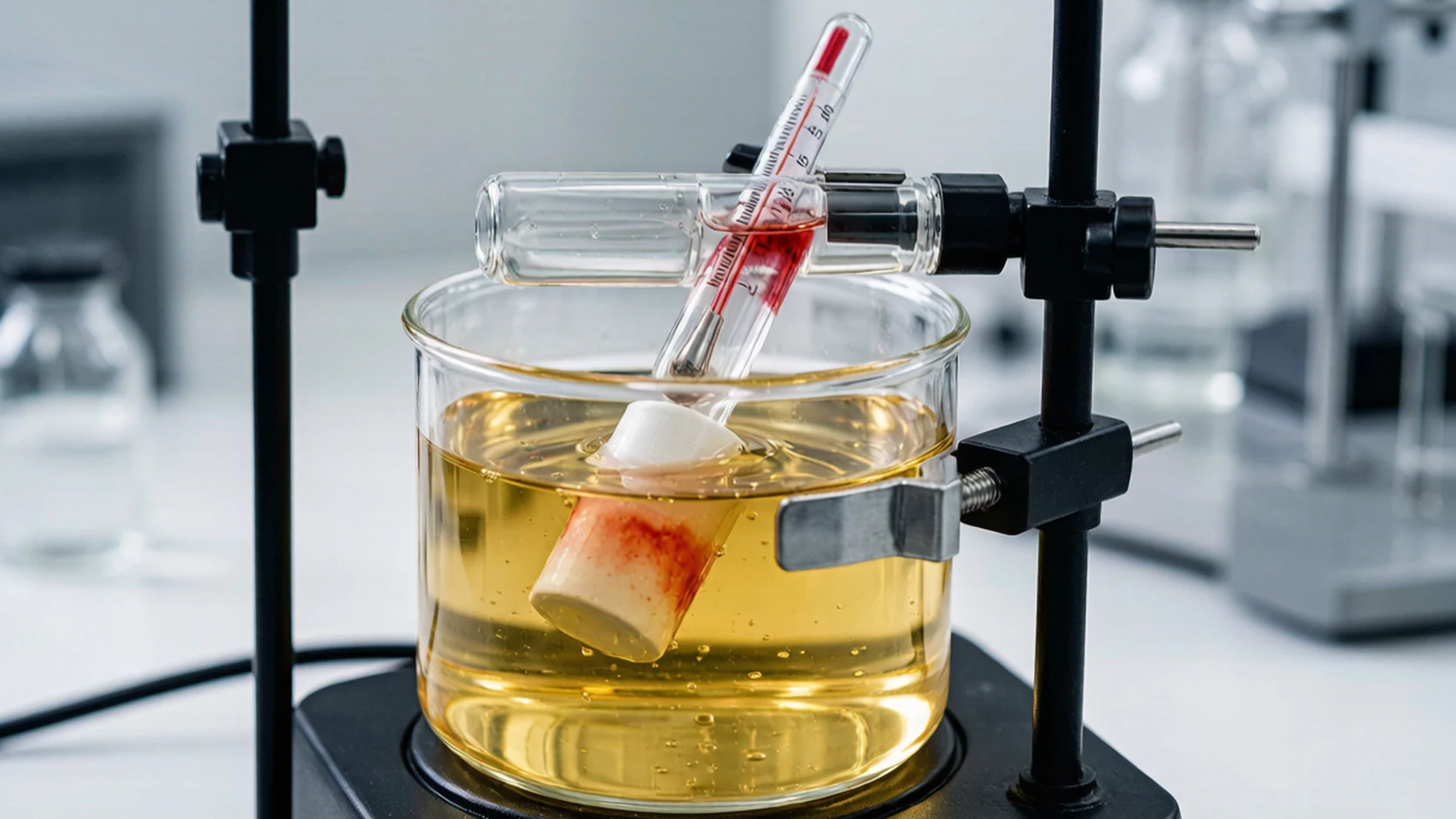
PVC static heat stability describes the ability of a PVC formulation to resist discoloration and dehydrochlorination during controlled heating without significant flow or mechanical shear.
PVC begins to release hydrogen chloride when thermal degradation develops. The released HCl can accelerate further degradation, leading to:
· Initial yellowing
· Brown discoloration
· Darkening
· Loss of mechanical properties
· Black or carbonized material
A PVC heat stabilizer delays this process by neutralizing HCl, replacing unstable chlorine sites and slowing degradation reactions.
Static tests are particularly useful for comparing the basic thermal stability of PVC formulations under repeatable conditions.
Congo Red Test for PVC
The Congo Red test records the time required for acidic degradation products to change the color of an indicator paper under defined heating conditions.
It is useful for:
· Initial screening of PVC stabilizers
· Comparing different stabilizer formulations
· Monitoring batch consistency
· Evaluating degradation trends
· Testing wire and cable compounds
However, the Congo Red test for PVC does not measure:
· Fusion time
· Torque
· Lubrication balance
· Melt pressure
· Plate-out
· Production output
· Surface gloss
A longer Congo Red time therefore does not automatically mean a wider PVC processing window.
PVC Oven Aging Test
A PVC oven aging test compares color changes during controlled static heating.
Samples are removed or observed at fixed intervals to evaluate:
· Initial color
· Early yellowing
· Long-term color retention
· Progressive degradation
· Sudden late-stage darkening
The control and candidate samples should have the same formulation basis, preparation method, thickness and surface condition.
Oven aging is particularly useful for white, light-colored and transparent PVC products. It shows how the PVC heat stabilizer protects color during sustained thermal exposure, but it does not reproduce the shear and friction generated during processing.
Where Static Stability Matters in Production?

Static heat stability is highly relevant when molten PVC remains inside hot equipment without normal material movement.
Typical situations include:
· Unexpected equipment shutdown
· Power failure
· Blocked downstream equipment
· Long production interruption
· Material retained in an adapter or die
· Slow restart after a stoppage
· Long residence time in injection molding
· Reprocessing material with an additional heat history
A PVC compound may process normally during continuous extrusion but degrade quickly when the line stops. After restart, this can cause:
· Yellow or brown material
· Black specks
· Burnt deposits
· Longer cleaning time
· Increased start-up scrap
The practical shutdown tolerance cannot be predicted by one universal time. It depends on the complete PVC formulation, actual melt temperature, equipment geometry, retained material volume and previous thermal history.
What Is Dynamic Processing Stability?
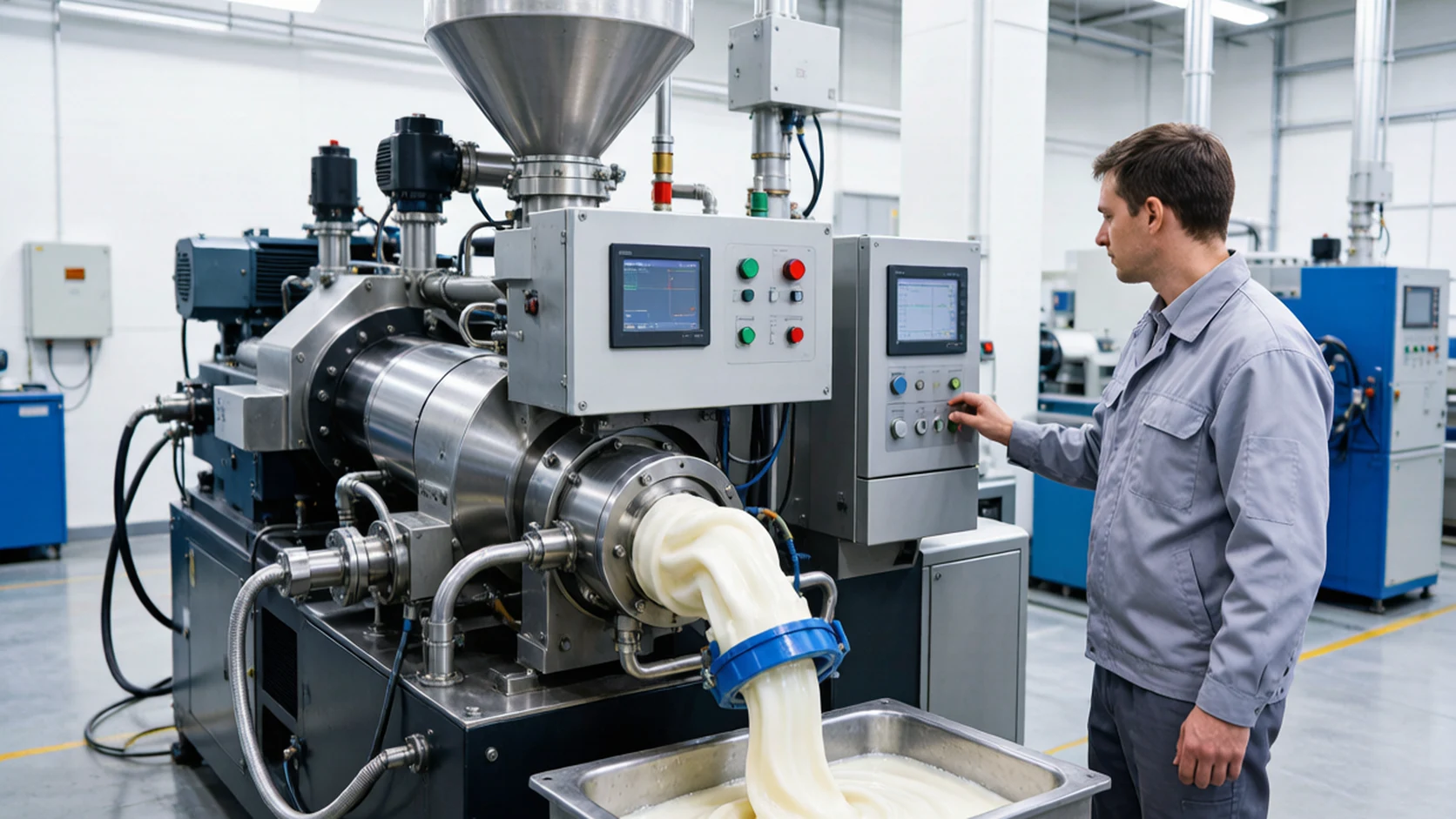
PVC dynamic processing stability describes how the compound performs when thermal exposure is combined with mechanical work.
During extrusion, calendering or injection molding, PVC experiences:
· Mixing
· Compression
· Friction
· Shear
· Fusion
· Pressure
· Metal contact
· Continuous melt flow
These factors can generate additional heat and change how the stabilizer, lubricants and other additives behave.
Dynamic stability therefore includes more than resistance to chemical degradation. It also depends on whether the formulation can achieve controlled fusion and maintain stable melt behavior.
Common dynamic testing methods include:
· Torque rheometer testing
· Dynamic two-roll mill testing
· Laboratory extrusion
· Pilot-line processing
· Full production-line testing
How to Read a PVC Torque Rheometer Curve?
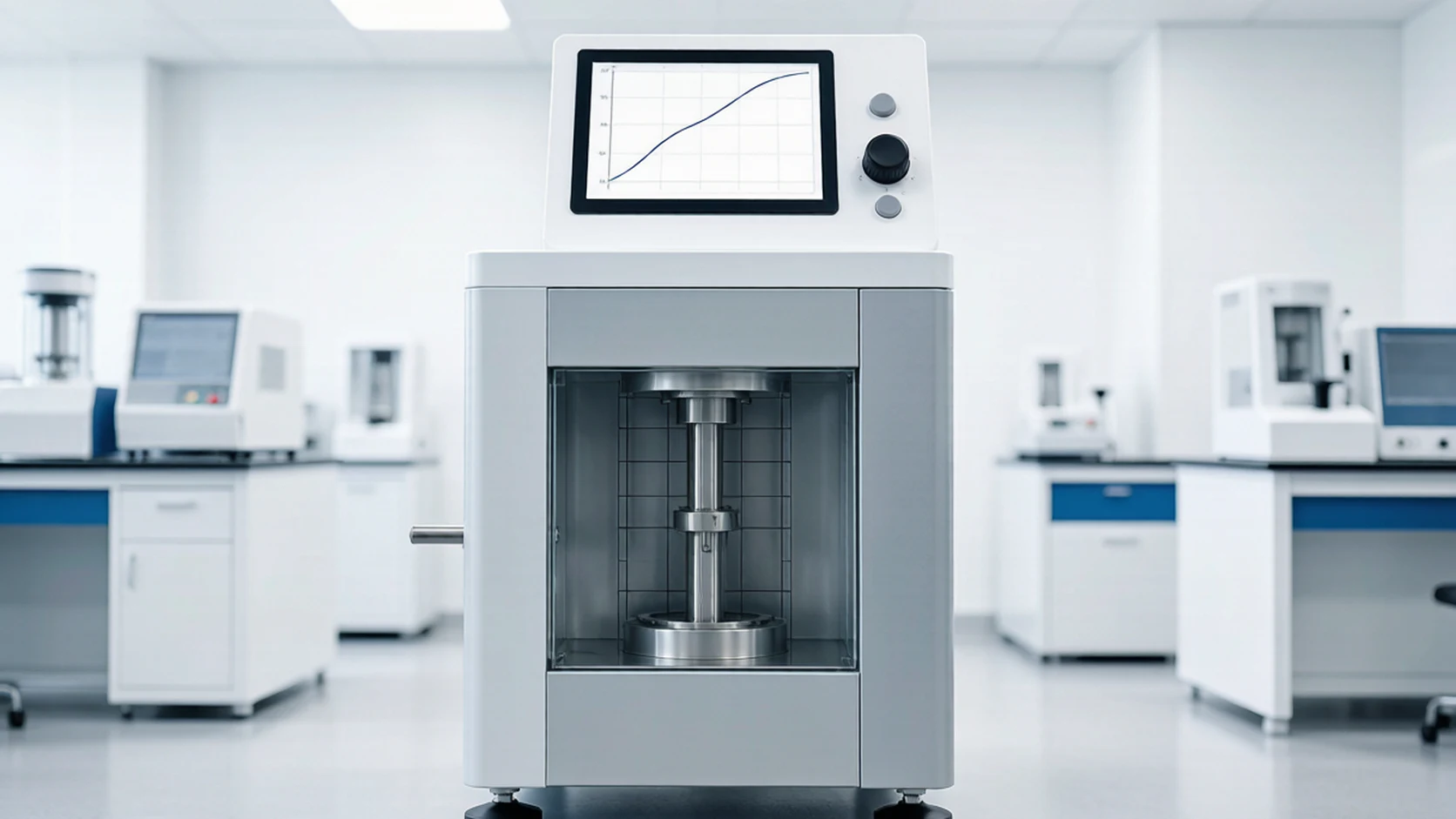
A torque rheometer is commonly used for PVC stabilizer testing because it simulates the heat and mechanical work experienced during processing.
A typical curve includes several important stages.
Loading Peak
The initial peak appears when the dry blend is loaded into the mixing chamber. It is affected by:
· Material quantity
· Bulk density
· Chamber temperature
· Rotor speed
· Powder flow
This loading peak should not be interpreted as PVC fusion.
Torque Valley
After loading, low-melting additives and lubricants begin to act, and the material rearranges inside the chamber. Torque may fall before fusion develops.
The depth and duration of this section can change with lubricant type and dosage.
Fusion Peak
As PVC particles compact, fuse and form a more continuous melt structure, torque rises to a fusion peak.
The time required to reach this point is the fusion time.
Fusion that is too slow may indicate:
· Excessive external lubrication
· Low processing temperature
· Insufficient shear
· Poor processing-aid performance
Fusion that is too rapid may indicate:
· Insufficient external lubrication
· Excessive friction
· High temperature
· A risk of early degradation
The correct fusion time depends on the product, equipment and target production rate.
Equilibrium Torque
After fusion, torque normally settles into a more stable region. This is often called equilibrium torque or plateau torque.
It reflects the resistance of the fused PVC melt under the test conditions.
A lower equilibrium torque is not automatically better. It may indicate lower energy demand, but it can also indicate excessive lubrication or insufficient fusion.
A higher equilibrium torque may suggest:
· Higher melt viscosity
· Insufficient lubrication
· Excessive friction
· Higher machine load
The result should be compared with the current production formula rather than evaluated as an isolated number.
Stable Processing Plateau
The length and shape of the stable plateau help indicate the dynamic processing stability of PVC.
A relatively stable plateau suggests that the compound can maintain consistent melt behavior under continued heat and shear.
A gradually rising torque may indicate:
· Increasing melt viscosity
· Lubricant consumption
· Frictional heating
· Approaching degradation
A rapidly falling or irregular torque may indicate:
· Material breakdown
· Lubricant separation
· Poor fusion
· Degradation
· Unstable formulation behavior
The endpoint should be interpreted together with melt temperature and sample color.
Why Static and Dynamic Results May Not Match?
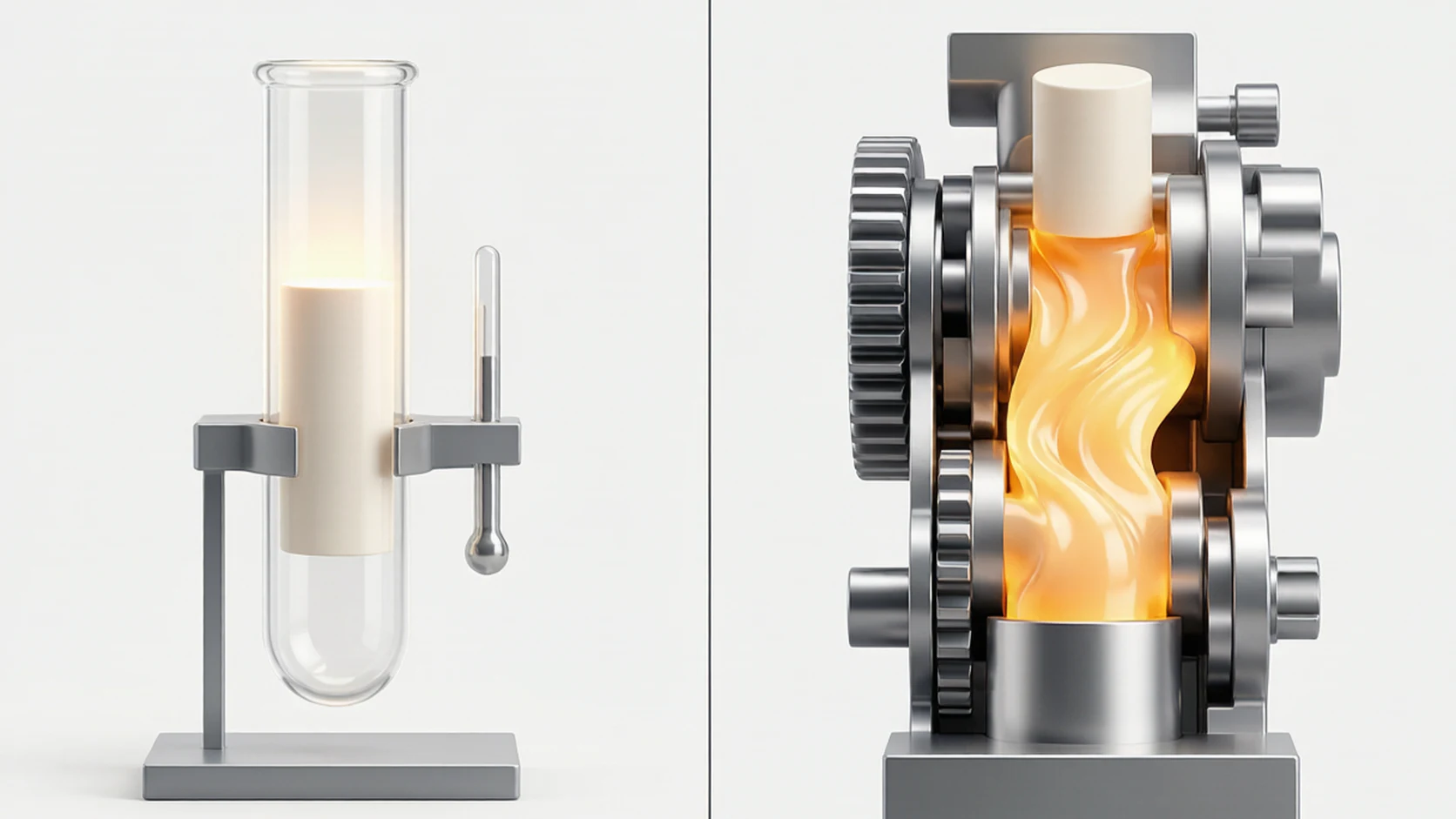
It is possible for two PVC stabilizer samples to receive different rankings in static and dynamic tests.
Static Results Are Good, but Dynamic Results Are Poor
This means the compound resists controlled heating but does not process well under shear and fusion.
Possible causes include:
· Internal and external lubricant imbalance
· Excessive external lubrication
· Slow or incomplete fusion
· Excessive torque
· Poor compatibility between the stabilizer and other additives
· Insufficient protection against frictional heat
· Narrow dynamic processing window
In this situation, increasing the PVC heat stabilizer dosage may not solve the problem. The lubricant system, fusion behavior and processing conditions should be checked.
Static Results Are Poor, but Dynamic Results Are Good
The compound may run acceptably while it remains in continuous motion, but it may have limited protection during shutdowns or long residence times.
Possible risks include:
· Rapid discoloration during machine stoppage
· Black specks after restart
· Degradation in equipment dead zones
· Poor residual stability during reprocessing
A stop-and-restart trial should be added before approving the formulation.
Both Static and Dynamic Results Are Good
This is a positive result, but production approval is not yet complete.
The next evaluation should include:
· Plate-out
· Actual output
· Head pressure
· Color drift
· Finished-product properties
· Long-term line cleanliness
Both Results Are Poor
The stabilizer grade, dosage or overall formulation direction may be unsuitable. Repeatedly changing machine temperature may only hide the underlying problem.
Static Result | Dynamic Result | Likely Meaning | Recommended Action |
Good | Good | Basic heat protection and processing behavior are acceptable | Continue to production-line validation |
Good | Poor | Heat resistance is acceptable, but fusion or lubrication is unsuitable | Review lubricant balance and torque curve |
Poor | Good | Continuous processing may work, but shutdown resistance is limited | Add residence-time and restart testing |
Poor | Poor | Stabilizer or formulation direction is unsuitable | Change grade or redesign the system |
How Lubricants Affect Dynamic PVC Stability?
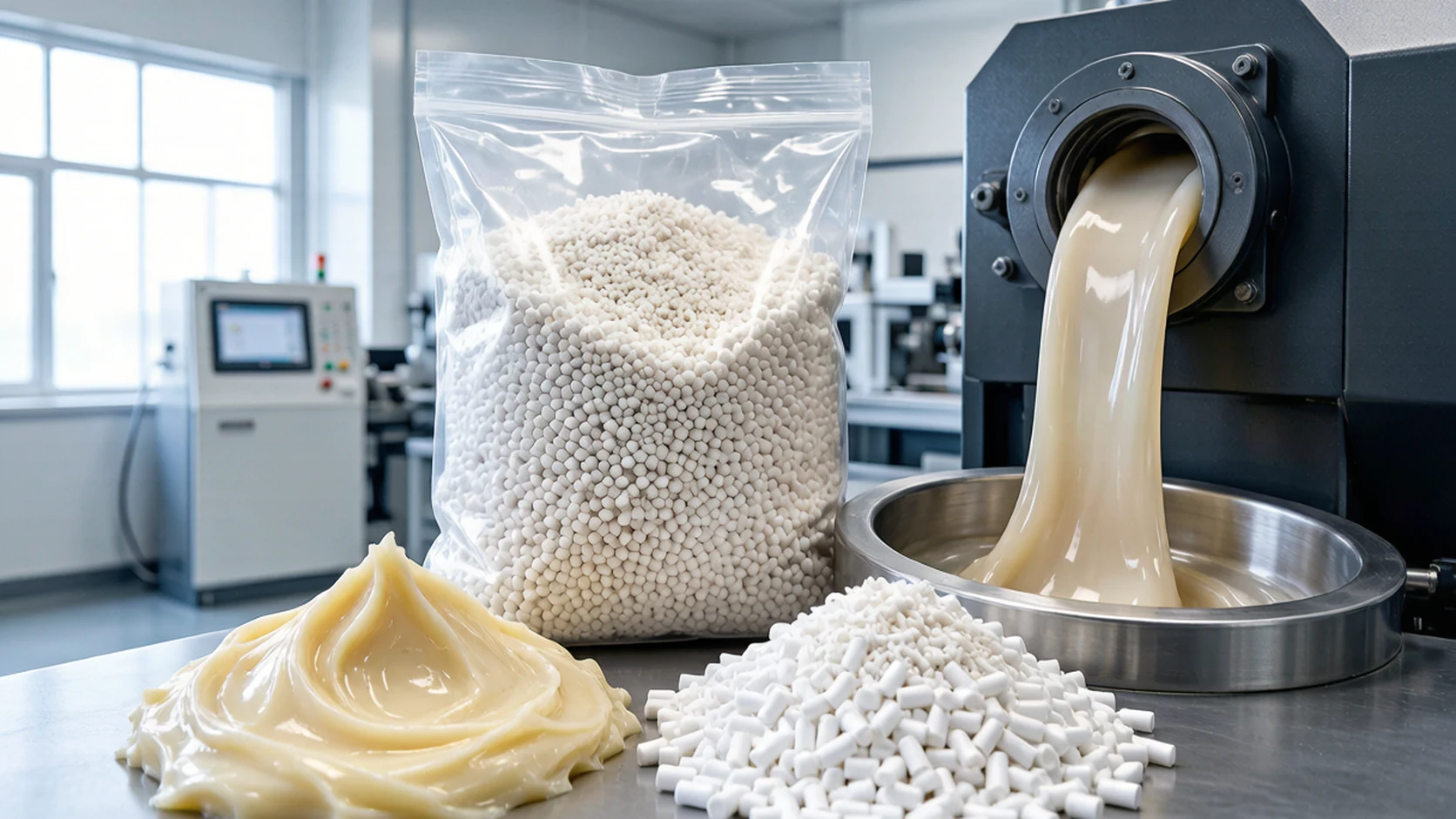
Lubrication is one of the main reasons static test results fail to predict production behavior.
External lubricants reduce adhesion and friction between PVC and metal surfaces. Internal lubricants modify friction within the compound and influence melt flow.
The lubricant system affects:
· Fusion time
· Peak torque
· Equilibrium torque
· Melt temperature
· Die pressure
· Surface gloss
· Plate-out
· Production output
These effects may not be fully visible in a Congo Red or static oven aging test.
This is especially important when comparing:
· Organotin and calcium-zinc stabilizers
· Separate stabilizer systems and one pack PVC stabilizers
· Different calcium zinc heat stabilizer grades
· Stabilizers containing different levels of integrated lubricant
When a new PVC stabilizer is introduced, the original lubricant package may no longer be balanced. The first test should establish the basic difference, followed by controlled lubricant adjustment.
Which Stability Matters More for Different PVC Applications?
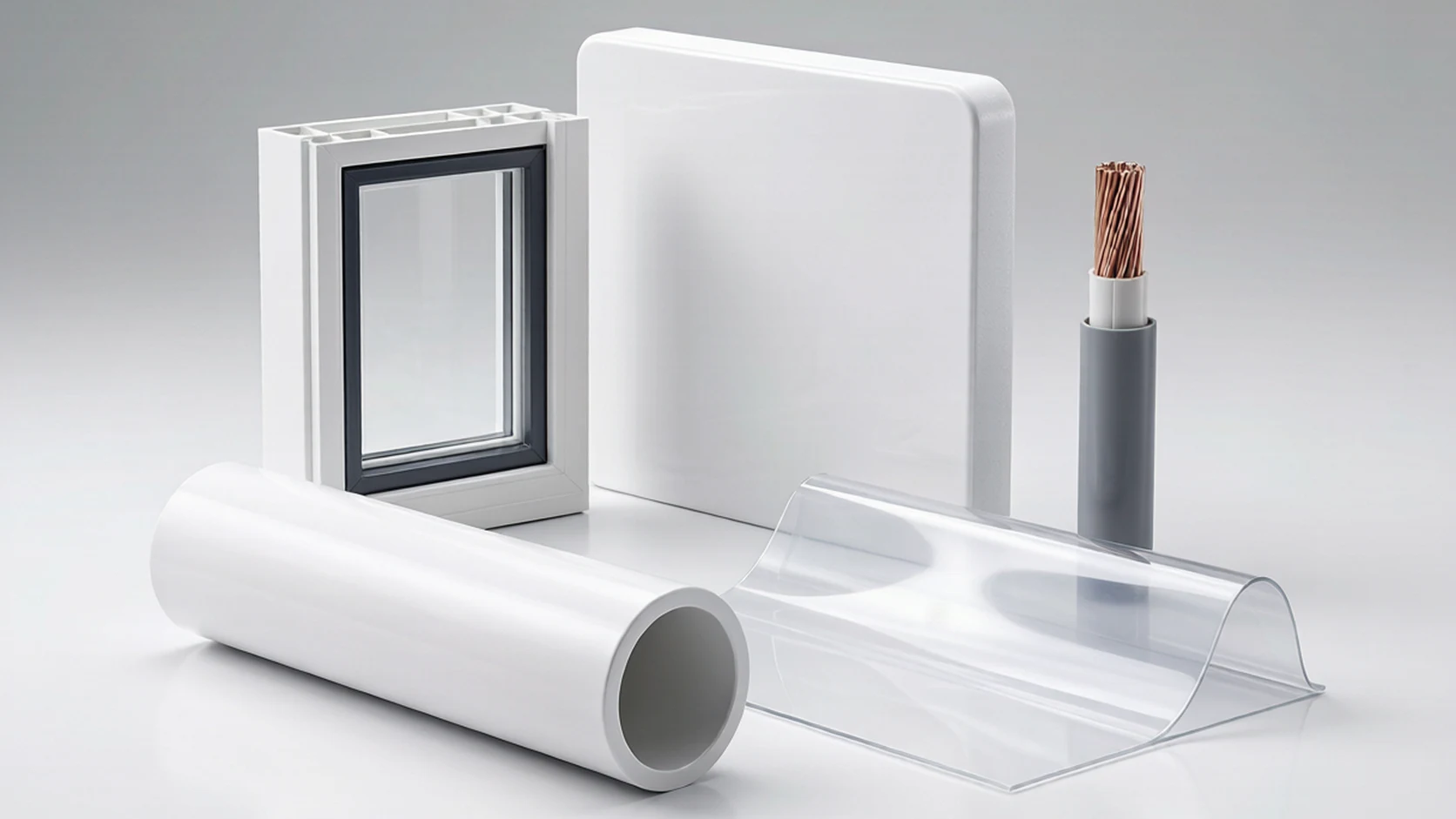
Both forms of stability are normally required, but their priority varies by application.
PVC Application | Static Stability Focus | Dynamic Stability Focus |
Pipes and profiles | Shutdown and restart protection | Fusion, pressure, output and die cleanliness |
Transparent PVC | Initial and aged color | Color drift, haze, gloss and plate-out |
Wire and cable | Congo Red and heat aging | Extrusion stability and surface quality |
Calendered film and SPC | Roll-stoppage protection | Plasticization, torque and roll cleanliness |
Injection-molded fittings | Long residence-time protection | Flow, filling and mold release |
Foam board | Color during heat exposure | Fusion, melt strength and foam structure |
Reprocessed PVC | Residual thermal stability | Stability during an additional processing cycle |
For high-speed extrusion, dynamic processing behavior becomes especially important because increased shear and output can raise the actual melt temperature.
For products exposed to frequent stopping, long residence times or repeated processing, static and residual stability deserve more attention.
What Static and Dynamic Tests Cannot Prove?

Even when both tests produce acceptable results, they cannot independently confirm:
· Long-term plate-out
· Actual production output
· Die or calibrator behavior
· Equipment dead zones
· Start-up scrap
· Product impact strength
· Electrical performance
· Transparency and haze
· Odor or migration
· Batch-to-batch consistency
A torque rheometer is more representative of processing than a static test, but it remains a laboratory simulation. It does not fully reproduce the screw design, die geometry, cooling conditions and continuous running time of a production line.
How to Build a Complete PVC Heat Stabilizer Test Plan?

A practical evaluation sequence is:
1. Establish the Current Formula as the Control
Use the current PVC stabilizer, PVC resin, fillers, lubricants and processing conditions as the reference.
2. Run Static Screening
Use Congo Red and oven aging to compare HCl-release and color-retention trends.
3. Run Dynamic Testing
Use a torque rheometer, two-roll mill or laboratory extruder to evaluate fusion, torque, melt temperature and degradation behavior.
4. Check Plate-Out and Surface Quality
Inspect equipment surfaces, laboratory sheets and processed products for deposits, streaks, gloss and color.
5. Test Application-Specific Properties
Depending on the product, evaluate:
· Impact strength
· Tensile strength
· Elongation
· Pressure resistance
· Electrical properties
· Density
· Haze and transmittance
· Surface gloss
6. Conduct an Extended Production Trial
Record:
· Screw speed
· Torque or motor load
· Head pressure
· Melt temperature
· Output
· Color drift
· Plate-out
· Cleaning interval
· Start-and-stop behavior
· Scrap rate
7. Include a Stop-and-Restart Test
This step connects laboratory static stability with the production risks created by retained material.
Final Approval Checklist
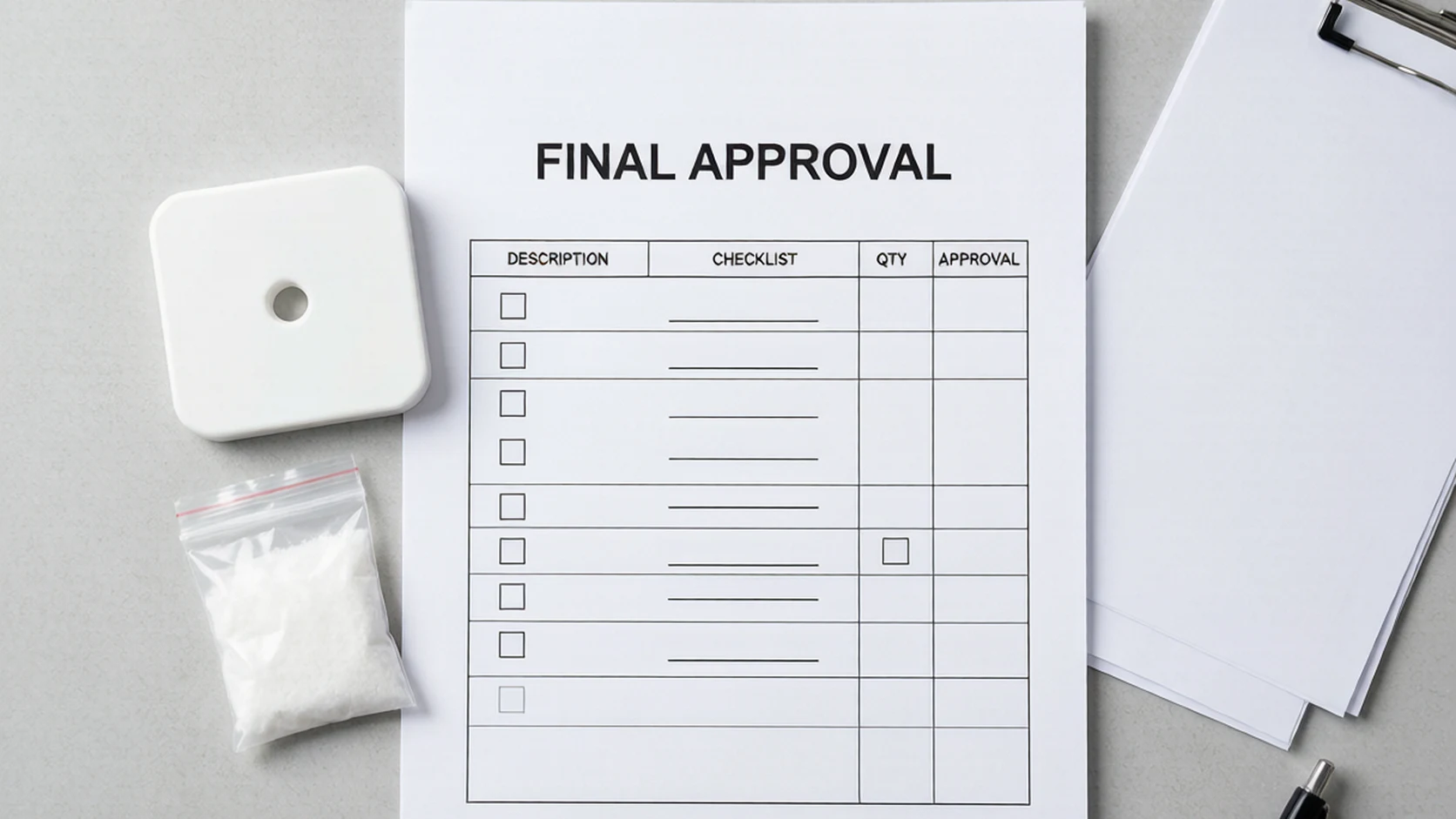
A PVC heat stabilizer should not be approved until:
· Static heat stability meets the target
· Initial and aged color are acceptable
· Fusion time is within the required range
· Peak and equilibrium torque are acceptable
· The dynamic plateau remains stable
· Melt temperature does not rise abnormally
· Plate-out is controlled
· Production output is acceptable
· Pressure remains stable
· Stop-and-restart behavior is acceptable
· Finished-product properties meet specifications
· Repeat testing confirms consistency
Frequently Asked Questions
What is the main difference between static and dynamic PVC stability?
Static stability measures resistance to controlled heating with little or no movement. Dynamic stability measures performance under heat, shear, friction, fusion and flow.
Is the Congo Red test enough to evaluate a PVC stabilizer?
No. It is useful for static heat stability screening but does not measure fusion, torque, plate-out or actual processing behavior.
Why can PVC pass oven aging but fail extrusion?
The formulation may resist static heating but have unsuitable fusion, lubrication or shear stability during extrusion.
Does lower equilibrium torque mean better PVC processing?
Not necessarily. Excessively low torque may indicate over-lubrication or incomplete fusion. It must be evaluated together with fusion time, surface quality and product properties.
Which test is more important for a PVC pipe stabilizer?
Dynamic fusion, pressure, output and die cleanliness are critical, but static shutdown and restart stability should also be tested.
Does a one pack PVC stabilizer still require lubricant evaluation?
Yes. A one-pack system may already contain lubricants, so the total lubricant balance of the complete formulation must be evaluated.
Can a torque rheometer replace a production trial?
No. It is a valuable laboratory tool, but it cannot fully reproduce actual equipment geometry, production output, plate-out and long-running conditions.
Conclusion
Static heat stability and dynamic processing stability describe different parts of PVC performance.
Static tests show how PVC resists degradation and discoloration under controlled heating. Dynamic tests show whether the compound can fuse, flow and remain stable under heat, shear, friction and pressure.
A long Congo Red time cannot prove that a PVC formulation has a wide processing window. A stable torque curve cannot prove that the compound will tolerate an unexpected shutdown.
The most reliable PVC stabilizer evaluation combines:
1. Static heat stability
2. Dynamic processing stability
3. Lubrication and fusion analysis
4. Plate-out testing
5. Finished-product testing
6. Extended production and restart validation
Send your static aging results, torque curve, PVC formulation and production data to AIMSEA for a combined PVC heat stabilizer evaluation.