

Posted by Ms.Yan
in blog
Technical Engineer
Updated 2026-07-25
How to Test a PVC Stabilizer Sample Before Production?
Read:114
Source:
A PVC stabilizer sample should not be approved because it produces one good-looking sheet or achieves a longer Congo Red time.
Before a new PVC stabilizer enters production, it should be compared with the current stabilizer under controlled conditions. The evaluation should include incoming inspection, static heat stability, dynamic processing behavior, plate-out, finished-product performance, production-line stability and batch consistency.
The correct test plan also depends on the application. A PVC pipe stabilizer is not approved by the same criteria as a PVC wire and cable stabilizer or a PVC heat stabilizer for transparent products.
A reliable approval process should answer one practical question:
Can this stabilizer repeatedly produce qualified PVC products under the factory’s normal production conditions?
The following process helps manufacturers move from sample receipt to production approval without relying on a single laboratory result.
1. Define the Purpose of the PVC Stabilizer Trial
Before testing begins, clarify why the new sample is being evaluated.
Typical objectives include:
· Replacing an existing supplier
· Improving PVC thermal stability
· Reducing plate-out or die build-up
· Improving initial color or long-term color retention
· Increasing production output
· Reducing start-up scrap
· Developing a lead-free stabilizer for PVC
· Replacing organotin or reducing tin content
· Improving transparency and haze
· Simplifying the formulation with a one pack PVC stabilizer
· Reducing total processing cost
The objective determines which results matter most.
For example, a sample intended to solve plate-out should not be approved only because it performs well in static oven aging. A calcium-zinc stabilizer for transparent PVC must also be evaluated for transmittance, haze, initial color and surface cleanliness.
Define the technical target before seeing the results. Otherwise, the approval decision may be influenced by whichever test happens to look best.
2. Check the Sample and Documents Before Testing
Start by confirming that the received material matches the product offered by the supplier.
Record:
· Product name and grade
· Sample batch number
· Production or packing date
· Recommended dosage
· Product form: powder, flake, granule or liquid
· Packaging condition
· Storage requirements
· Appearance and color
· Odor
· Signs of moisture, agglomeration or contamination
The supplier should provide documents appropriate to the project, such as:
· Technical Data Sheet
· Safety Data Sheet
· Certificate of Analysis
· Recommended application and dosage
· Storage and shelf-life information
· RoHS or REACH information where required
· Heavy-metal or restricted-substance information
· Application-specific compliance documents where applicable
Confirm that all documents refer to the same product grade. A general company certificate does not automatically confirm the suitability of the specific PVC heat stabilizer sample.
Keep part of the original sample as a retained sample. Label it with the supplier, product grade, batch number and receipt date.
3. Establish the Current Production Baseline

The current production stabilizer should always be used as the control.
Without a control, it is difficult to determine whether the candidate sample is genuinely better, equivalent or unsuitable.
Record the existing formulation and production conditions.
Baseline Item | Information to Record |
Current stabilizer | Grade, supplier and dosage |
PVC resin | Supplier, grade and K-value |
Filler | Type, particle size and dosage |
Internal lubricant | Type and dosage |
External lubricant | Type and dosage |
Processing aid | Type and dosage |
Impact modifier | Type and dosage |
Pigment or TiO₂ | Type and dosage |
Recycled material | Percentage and heat history |
Processing method | Extrusion, injection or calendering |
Zone temperatures | Normal production settings |
Screw speed | Normal operating range |
Torque or motor load | Normal range |
Head pressure | Normal range |
Output | kg/h |
Initial color | L*, a*, b*, YI or reference sample |
Cleaning interval | Hours or production shifts |
Scrap rate | Start-up and normal production |
Current problem | Yellowing, plate-out, haze, odor or unstable fusion |
Prepare and retain products made with the control formulation. These samples will be used for visual, mechanical, optical and aging comparisons.
4. Define Pass/Fail Criteria Before the Trial
The acceptance criteria should be agreed upon before testing.
Possible criteria include:
· Initial color must meet the current product standard
· Static heat stability must not be lower than the agreed limit
· Fusion time must remain within the acceptable processing range
· Torque and head pressure must remain stable
· Plate-out must not increase
· Production output must remain commercially acceptable
· Start-up scrap must not increase beyond the factory limit
· Surface gloss and appearance must meet the customer specification
· Mechanical or electrical properties must pass
· Odor must remain acceptable
· Cost per tonne of qualified product must meet the project target
The new sample does not need to outperform the current stabilizer in every category. It must, however, meet the properties that the product and production line cannot afford to lose.
A useful approval system includes three decision gates:
Gate 1: Laboratory Approval
The sample meets basic heat stability, color, fusion and preliminary product requirements.
Gate 2: Pilot Production Approval
The sample runs at the required output with acceptable pressure, plate-out, color and finished-product performance.
Gate 3: Final Production Approval
The product performs consistently during extended production, the documents are complete and a repeat batch confirms consistency.
5. Build a Fair Comparison Formula
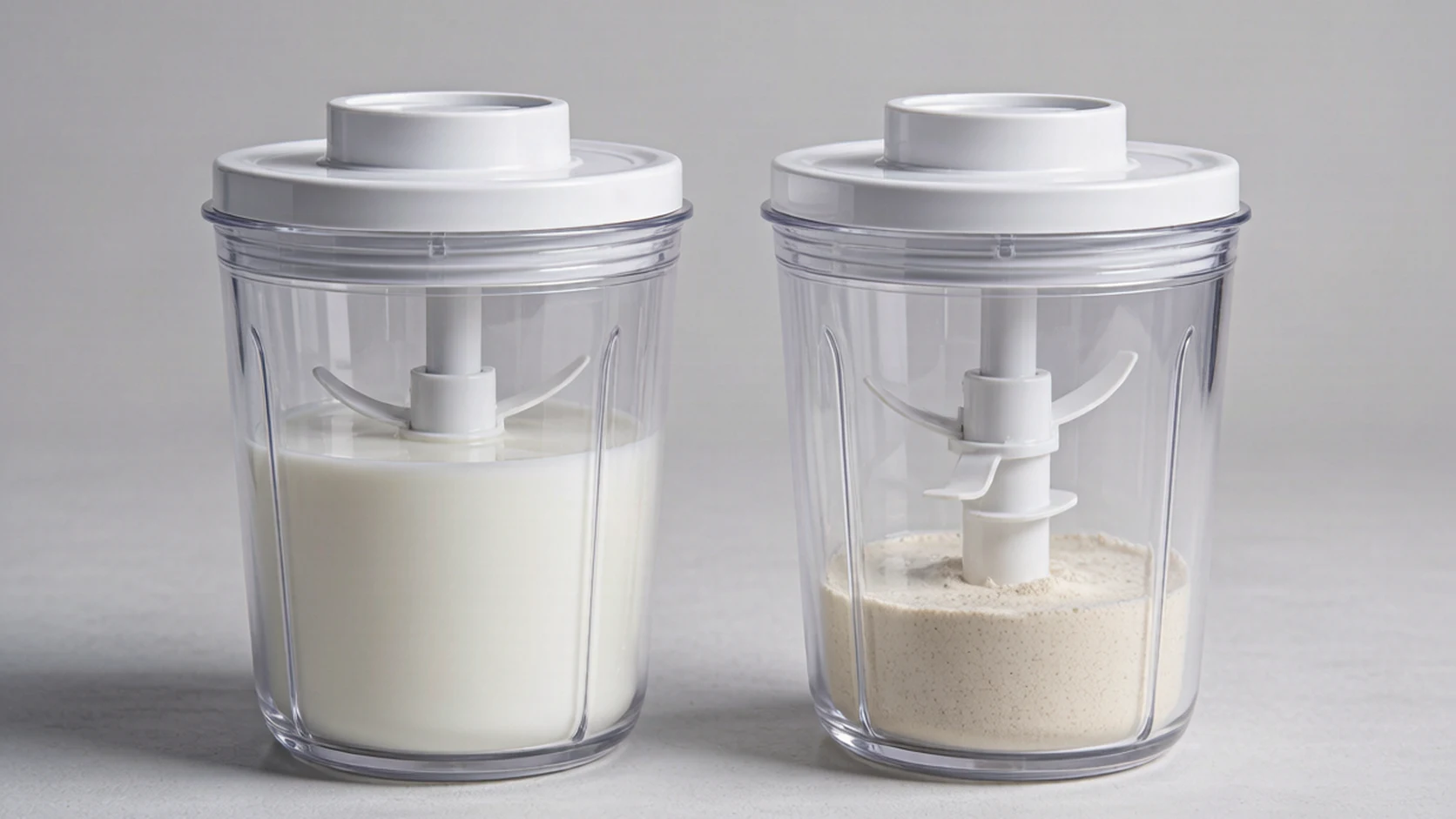
A fair trial changes as few variables as possible.
For the first comparison:
· Use the same PVC resin batch
· Keep filler and pigment unchanged
· Keep processing aid and impact modifier unchanged
· Use the same mixing procedure
· Keep equipment and sample thickness consistent
· Begin with the same processing settings
· Prepare the control and candidate samples close together
The first trial should reveal the basic difference between the current stabilizer and the new PVC stabilizer sample.
However, different stabilizer systems may have different lubricant contents. A one pack PVC stabilizer or calcium zinc PVC stabilizer may already contain internal and external lubricating components.
Therefore, use a two-stage approach:
1. Compare the candidate in a controlled base formulation.
2. Adjust lubrication separately if torque, fusion, release or plate-out indicates that optimization is necessary.
Do not change stabilizer dosage, PE wax, calcium stearate, processing temperature and screw speed simultaneously. When several variables change together, the source of improvement or failure cannot be identified.
6. Complete Basic Laboratory Screening
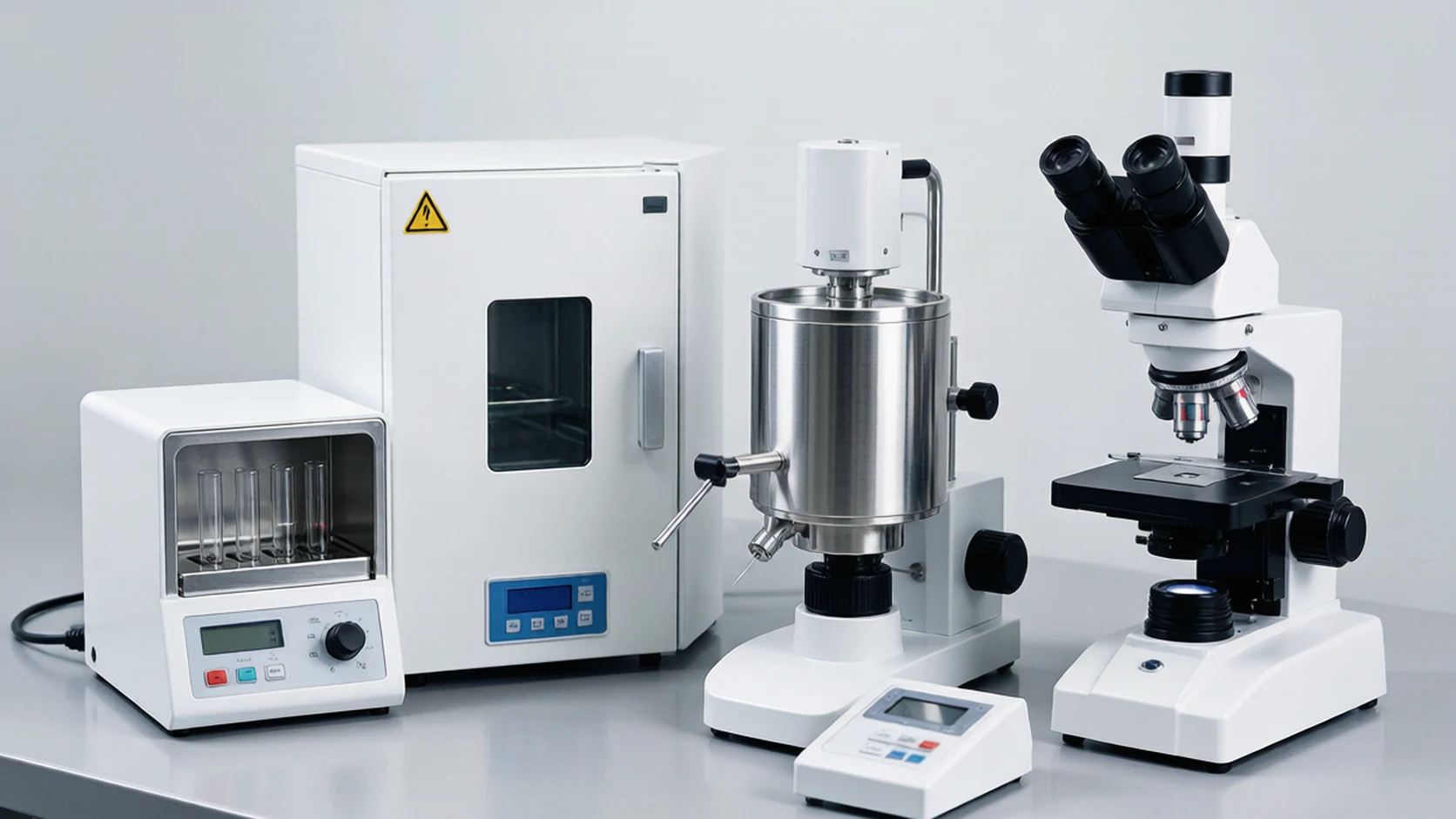
Laboratory screening eliminates clearly unsuitable samples before production equipment and raw materials are committed to a line trial.
Congo Red Test
The Congo Red test is used to compare the release trend of acidic PVC degradation products under defined heating conditions.
It is useful for:
· Initial screening
· Comparing candidate samples
· Checking batch consistency
· Evaluating PVC thermal stability trends
Record:
· Sample formulation
· Test temperature
· Sample mass and preparation
· Time to indicator change
· Number of repeated tests
The Congo Red test does not predict fusion, plate-out, surface gloss or actual production output. It should not be used as the only approval criterion.
Static Oven Aging
Static oven aging shows how PVC color changes during controlled heat exposure.
It can reveal:
· Initial color
· Yellowing rate
· Color retention
· Progressive thermal degradation
· Sudden late-stage darkening
Use the same sample dimensions, thickness and preparation method for the control and candidate.
Record color at each interval. Visual comparison can be supported by L*, a*, b*, yellowness index or ΔE measurements when available.
Static aging is valuable, but it does not reproduce the combination of heat, pressure, shear and metal contact found in actual production.
Torque Rheometer or Dynamic Processing Test
A torque rheometer, two-roll mill or small extruder provides information closer to real PVC processing.
Record:
· Fusion time
· Peak torque
· Equilibrium torque
· Melt temperature
· Torque stability
· Time to degradation
· Color development
· Material release and surface appearance
A candidate with good static heat stability may still fuse too slowly, create excessive torque or have a narrow processing window.
Dynamic testing also helps determine whether the stabilizer and lubricant system are balanced.
Dispersion and Surface Inspection
Inspect the laboratory samples for:
· Undispersed particles
· Surface roughness
· Streaks
· Black specks
· Gloss
· Color uniformity
· Odor
· Visible blooming
For transparent products, compare all samples at the same thickness and surface condition.
7. Match the Test Plan to the PVC Application
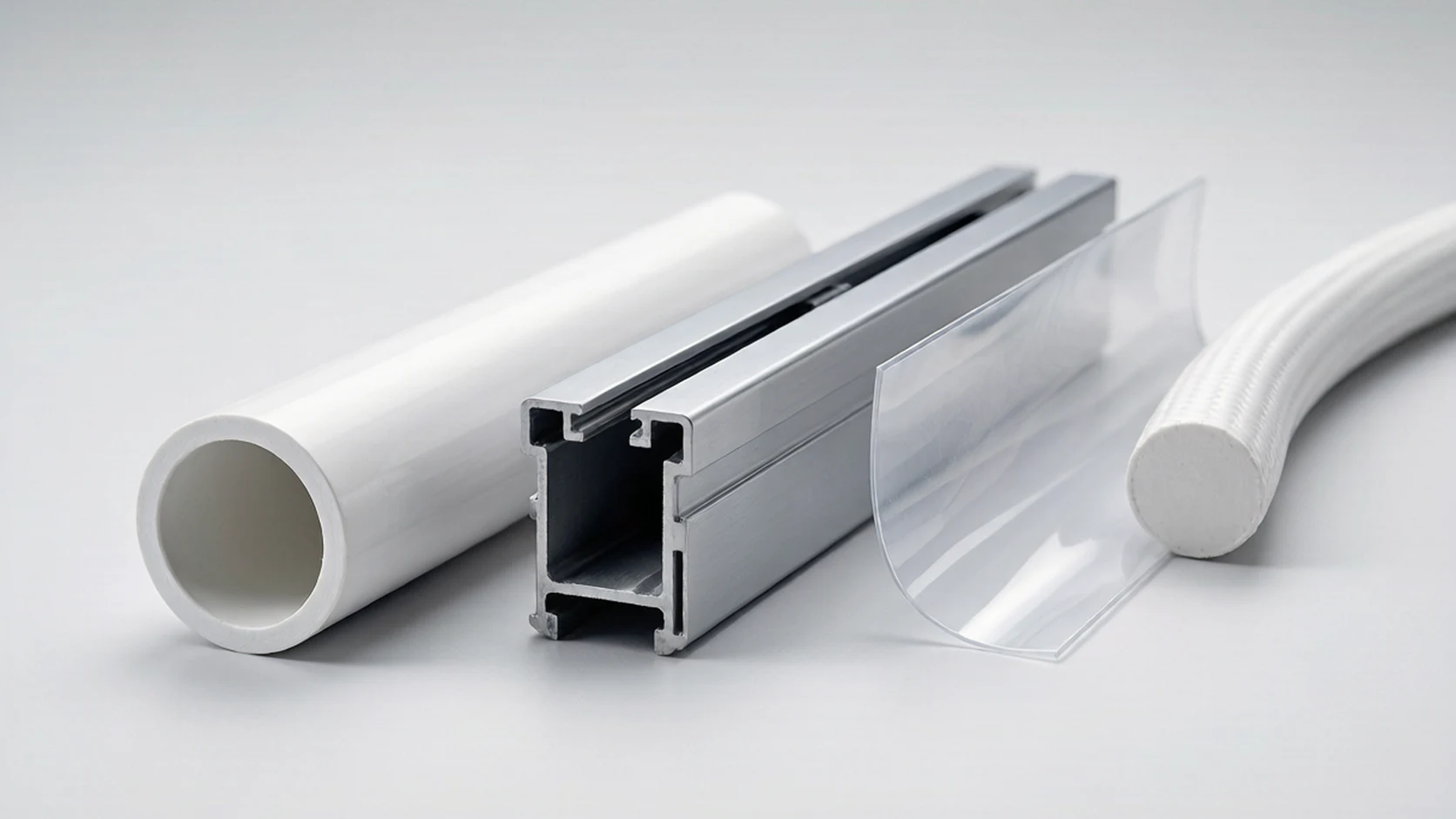
Different heat stabilizers for PVC should be evaluated according to the finished product.
PVC Application | Priority Tests |
PVC pipes and fittings | Fusion, torque, head pressure, output, plate-out, impact and restart behavior |
PVC profiles | Color, surface gloss, fusion, die cleanliness and mechanical performance |
Transparent PVC | Transmittance, haze, initial color, YI, gloss and plate-out |
PVC wire and cable | Congo Red, heat aging, tensile strength, elongation and electrical performance |
Flexible PVC | Migration, odor, mechanical properties and plasticizer compatibility |
PVC foam board | Fusion, melt strength, density, foam structure and surface quality |
SPC or PVC flooring | Roll cleanliness, color, plasticization, density and lamination performance |
Injection-molded fittings | Flow, mold release, residence-time stability and mechanical properties |
A PVC pipe stabilizer may show excellent output and die cleanliness but may not be suitable for a highly transparent product. Similarly, a PVC heat stabilizer for transparent products may require a different optical and surface-quality evaluation from an opaque profile stabilizer.
8. Run a Controlled Pilot Trial
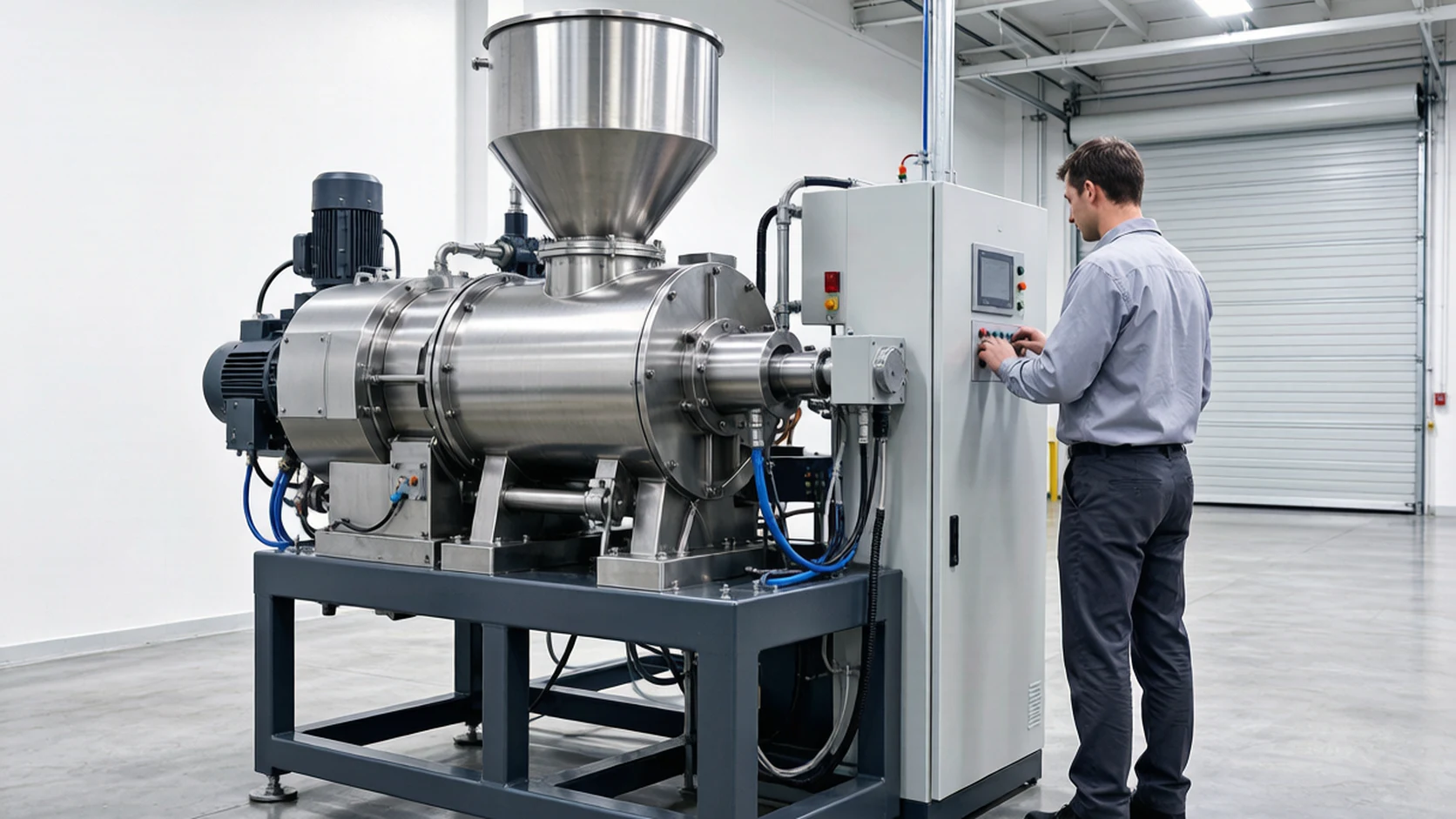
Only samples that pass laboratory screening should enter a pilot or production-line trial.
Before starting:
· Clean the equipment
· Confirm the raw-material batches
· Record the current machine condition
· Prepare the control formulation
· Decide the sequence of trial batches
· Define sampling times
· Prepare a production record sheet
Begin with a manageable quantity rather than immediately replacing the complete production batch.
During the trial, record:
· Start-up time
· Zone settings
· Actual melt temperature where available
· Screw speed
· Torque or motor load
· Head pressure
· Output
· Product color
· Surface appearance
· Plate-out location and severity
· Odor
· Start-up scrap
· Adjustments made during production
Collect samples during start-up, stable production and later running stages. Do not evaluate only the best sample produced after several machine adjustments.
9. Evaluate Long-Run Production Behavior
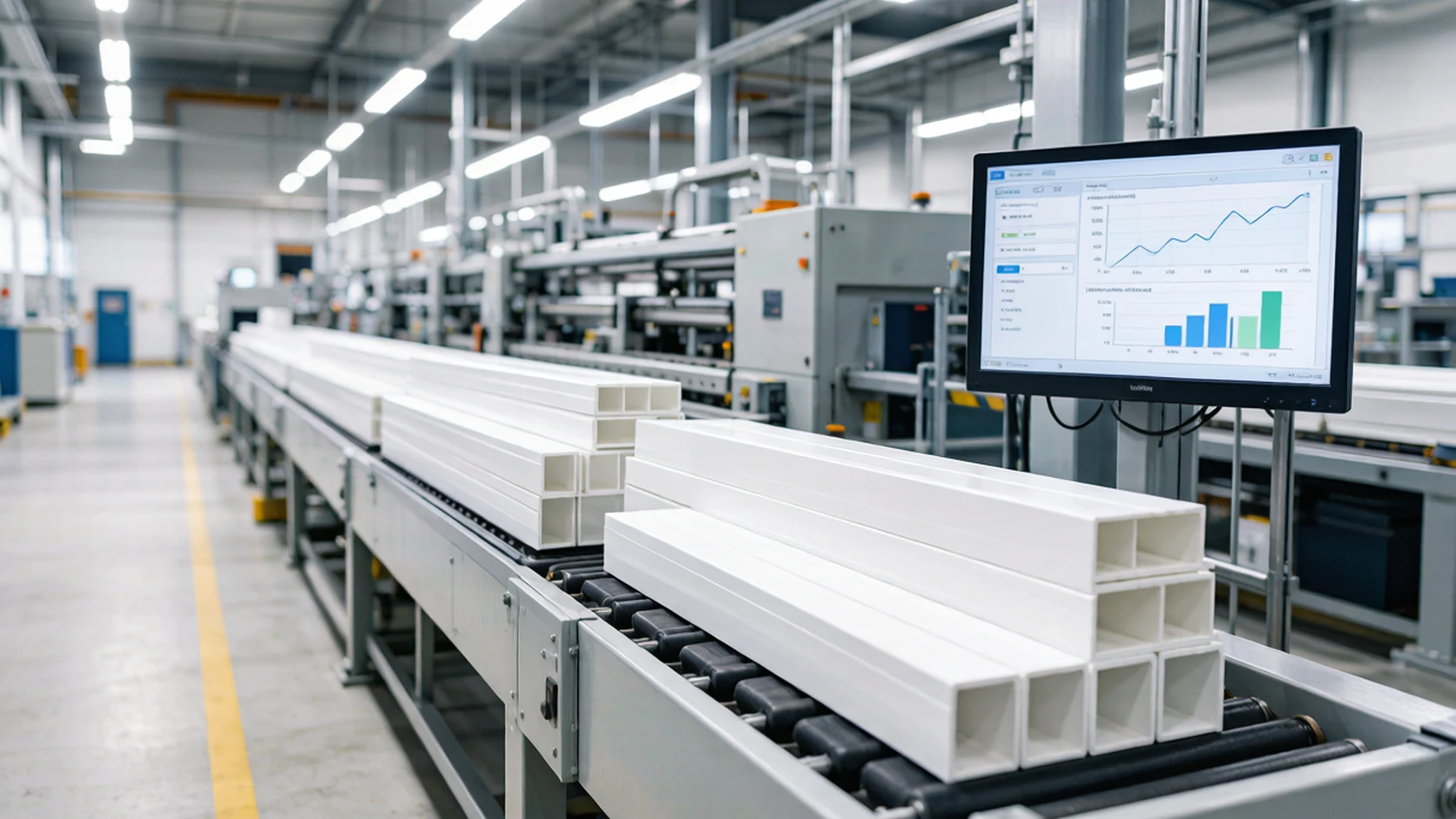
(图片alt:Evaluate Long-Run Production Behavior)
Short trials may fail to reveal the most expensive problems.
Plate-out, color drift, pressure changes and degraded material can develop gradually. The trial should continue until the main production risks have had an opportunity to appear.
Monitor:
· Time to first visible deposit
· Die, roll or calibrator cleanliness
· Cleaning interval
· Color drift
· Pressure and torque stability
· Output consistency
· Product dimensions
· Restart performance
· Scrap after stoppage
· Surface quality over time
A production line may run well for a short period but develop deposits after several hours. Such a sample should not be approved based on the early production results.
The required trial length should reflect the actual process. A line normally operated continuously for long periods requires a longer validation than a short-batch molding process.
10. Test the Finished PVC Product

The stabilizer is only one part of the formulation, but it can affect the final product in several ways.
Depending on the application, finished-product tests may include:
· Tensile strength
· Elongation
· Impact strength
· Pressure resistance
· Heat aging
· Dimensional stability
· Vicat or softening behavior
· Electrical resistance
· Volume resistivity
· Haze
· Light transmittance
· Surface gloss
· Density
· Shrinkage
· Odor
· Printing, coating or bonding performance
Use the same test methods for control and candidate products.
For regulated or customer-approved products, confirm whether the formulation change requires additional product testing or customer requalification.
11. Confirm Batch-to-Batch Consistency
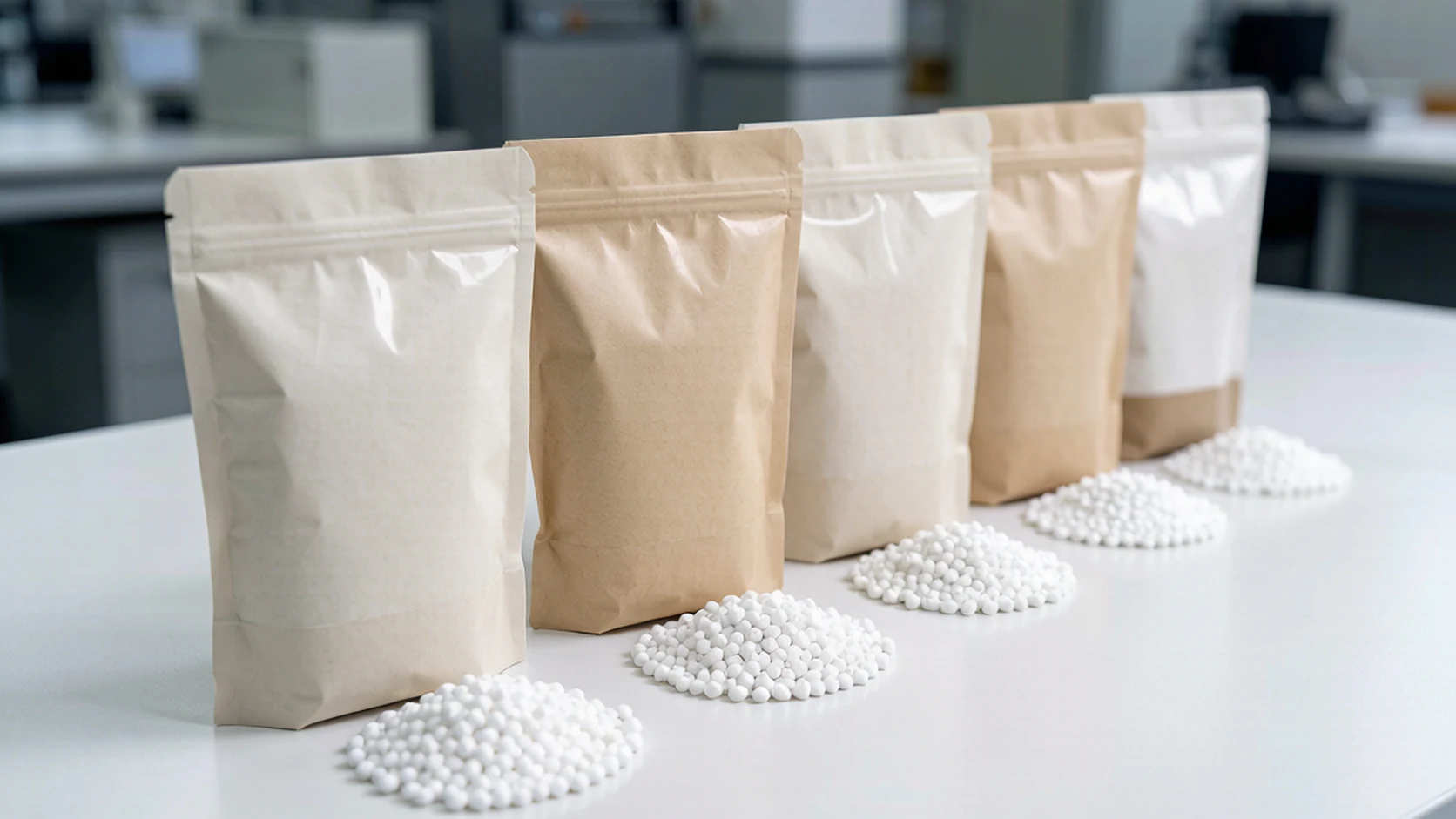
One successful sample does not prove that regular deliveries will perform consistently.
Before final approval, compare:
· A second sample batch
· The first commercial production batch
· The original approved sample
· The supplier’s COA values
· Basic heat stability and application results
Useful incoming checks may include:
· Appearance
· Color
· Moisture
· Particle size
· Flow or agglomeration
· Bulk density where relevant
· Congo Red or another internal QC test
· Key application performance
Sample approval is not complete until repeatability has been checked.
Retain samples from the approved trial and the first commercial batch. These references are useful if a future batch produces different processing behavior.
12. Calculate the Real Cost-in-Use
(图片alt:Calculate the Real Cost-in-Use)
Do not approve a stabilizer based only on its price per kilogram.
Calculate the stabilizer cost according to actual dosage, then include:
· Additional lubricant or co-stabilizer requirements
· Production output
· Start-up scrap
· Normal scrap rate
· Cleaning time
· Downtime
· Energy use
· Product requalification
· Customer complaints or rejected material
The correct comparison is:
Total stabilizer-related cost per tonne of qualified PVC product
A cheaper PVC heat stabilizer may result in a higher production cost if it reduces output or increases plate-out. A higher-priced product may provide better total value if it improves production stability and reduces cleaning.
PVC Stabilizer Sample Approval Checklist

Before approving a sample for regular production, confirm that:
· The product grade and batch are traceable
· TDS, SDS and COA have been reviewed
· The current production stabilizer was used as the control
· Pass/fail criteria were defined before testing
· Static heat stability has been evaluated
· Dynamic processing behavior has been tested
· Initial and aged color meet the target
· Plate-out is acceptable
· Production output and pressure are stable
· Start-stop behavior is acceptable
· Finished-product properties pass
· Application-specific requirements are met
· Compliance documents have been reviewed
· A repeat batch or first commercial batch has been checked
· Total cost-in-use meets the project target
· Quality, production and purchasing have recorded the final decision
The final status may be:
· Approved: Suitable for regular production
· Conditionally Approved: Suitable only within defined conditions
· Retest Required: Additional adjustment or data needed
· Rejected: Does not meet essential requirements
Frequently Asked Questions
Is the Congo Red test enough to approve a PVC stabilizer?
No. It is useful for comparing PVC thermal stability trends, but it does not evaluate fusion, plate-out, output or finished-product performance.
Should a new stabilizer be tested in the current PVC formulation?
Yes. The current formulation provides the most relevant baseline. Any later formulation optimization should be performed as a separate stage.
Should lubrication be changed during the first trial?
The first trial should keep the formulation as controlled as possible. Lubrication can then be adjusted separately if the stabilizer changes fusion, torque, release or plate-out.
How long should a production trial run?
It should continue long enough for the main production risks to appear, including color drift, deposits, pressure changes and restart behavior. There is no single trial time suitable for every production line.
How do you test a calcium-zinc stabilizer sample?
Use the same controlled process: incoming inspection, current-formula comparison, static heat aging, dynamic processing tests, application-specific product testing and extended line validation.
How many stabilizer batches should be tested?
At minimum, repeatability should be checked using another sample batch or the first commercial production batch before full approval.
What should be done if the sample fails?
Identify which criterion failed. Determine whether the cause is stabilizer selection, dosage, lubrication balance, processing conditions or test inconsistency. Adjust one variable at a time or request a more suitable grade.
Conclusion
A PVC stabilizer sample should not move directly from the supplier’s package into full production.
A reliable approval process combines:
1. Sample and document inspection
2. Current-production baseline
3. Predefined pass/fail criteria
4. Controlled laboratory comparison
5. Static and dynamic stability tests
6. Application-specific product testing
7. Pilot and extended production trials
8. Compliance review
9. Batch-consistency confirmation
10. Total cost-in-use analysis
The objective is not to identify the sample with the longest single test time. It is to confirm which PVC stabilizer can repeatedly deliver stable processing, qualified products and predictable production costs.
Send your PVC formulation, current stabilizer, processing conditions and target performance to AIMSEA for a customized stabilizer sample test plan.