
Posted by Grayson
in blog
Marketing
Updated 2026-09-10
How Does a Calcium Zinc Stabilizer Formula Work in PVC?
Read:35
Source:
PVC is widely used in industrial manufacturing because of its versatility, durability, and adaptability across different applications. However, the material requires careful stabilization during processing because heat and mechanical stress can trigger degradation reactions that affect processing consistency, appearance, and final product quality.
A calcium zinc stabilizer formula helps control these challenges by combining calcium-based components, zinc-based components, and supporting additives into a balanced stabilization system. Instead of relying on one single ingredient, a Ca-Zn stabilizer system works through the interaction of multiple components to support thermal stability and processing performance.
The effectiveness of a calcium-zinc stabilizer formulation depends on more than the stabilizer itself. Resin characteristics, processing conditions, lubricant balance, and other additives all influence how the system performs in production. This is why manufacturers usually evaluate a stabilizer together with the complete compound rather than selecting one based only on general product descriptions.
Why PVC Needs Heat Stabilization During Processing
PVC is a thermoplastic material that requires controlled processing conditions to achieve consistent results. During extrusion, calendering, molding, or other manufacturing processes, the combination of heat and shear can cause degradation reactions within the polymer structure.
One important concern during processing is the release of hydrogen chloride (HCl) from the PVC chain. If degradation continues, it can accelerate further reactions that influence material color, processing behavior, and long-term product performance.
A suitable heat stabilization system helps slow these reactions and creates a more controlled processing environment. The purpose of stabilization is not to change the basic properties of the polymer, but to help manufacturers process the material more reliably under production conditions.
The required stabilization level can vary significantly depending on the final application. A rigid extrusion product may focus on consistent processing and appearance, while a transparent product may require greater attention to color stability and visual quality. Therefore, stabilizer selection should always consider the relationship between material characteristics, manufacturing conditions, and finished product requirements.
How a Calcium Zinc Stabilizer Formula Works
A calcium zinc stabilizer formula works through the combined effects of different components within a stabilization package. A typical Ca-Zn stabilizer system may contain calcium-based components, zinc-based components, and supporting additives that help balance thermal protection, processing behavior, and formulation compatibility.
The role of the system is not simply to provide heat resistance. During manufacturing, the stabilizer must interact with the compound environment and support stable processing without creating unnecessary imbalance.
For this reason, a calcium-zinc stabilization system should be understood as a coordinated formulation rather than a simple mixture of individual ingredients. The relationship between components determines how the system responds under different processing conditions.
The Role of Zinc in Initial Stabilization
Zinc-based components play an important role in the early stage of stabilization. They are commonly associated with initial degradation control and can contribute to maintaining better processing behavior during the beginning stages of thermal exposure.
Initial stabilization is particularly important because early processing conditions can influence color development and material consistency. However, zinc components are not designed to work independently. Their effect depends on how they interact with calcium components and other supporting ingredients within the stabilizer blend.
A well-balanced Ca-Zn stabilizer system requires careful consideration of the relationship between different components. The goal is not simply to increase one ingredient, but to create a system where different components support each other under actual processing conditions.
The Role of Calcium in Longer-Term Stability
Calcium-based components contribute to the overall balance of the stabilization system by supporting stability during continued processing conditions.
In industrial production, materials may experience extended residence time, repeated exposure to heat, and mechanical stress. Maintaining consistent processing behavior requires a stabilizer package that can perform within the complete formulation environment.
The function of calcium should therefore be evaluated together with other components rather than considered separately. The final performance depends on the interaction between the stabilizer system, resin characteristics, processing conditions, and other formulation elements.
This is also why manufacturers typically evaluate the complete stabilizer package before applying it to a new production process or product category.
How Co-Stabilizers and Lubricants Support the System
A stabilizer package for PVC often includes supporting components that influence more than thermal protection. Co-stabilizers and lubricating ingredients can affect processing behavior, material flow, and compatibility with other formulation components.
The balance between stabilization and lubrication is particularly important in manufacturing. A system that provides thermal protection but does not match the processing requirements may still create challenges during production.
For example, extrusion processes require appropriate interaction between the stabilizer system and processing conditions. Factors such as equipment design, production speed, and compound composition can influence whether the formulation achieves the desired processing behavior.
Therefore, engineers usually evaluate the complete compound design when selecting a stabilizer rather than focusing on a single additive component.
Why the Complete Formulation Matters
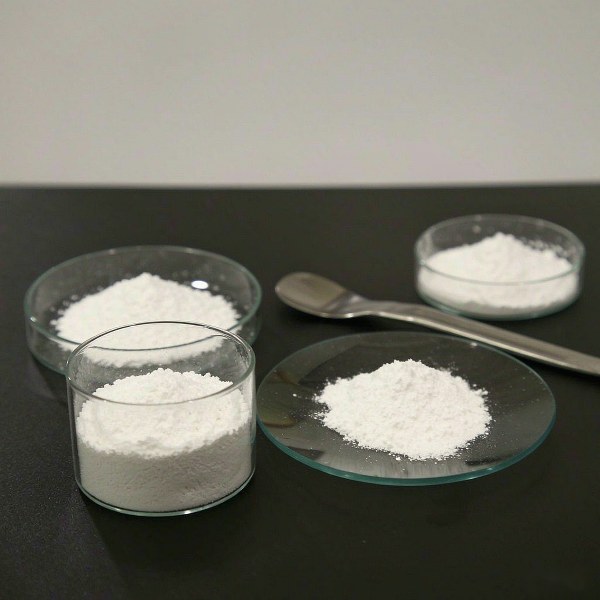
A calcium-zinc stabilizer formulation cannot be separated from the rest of the compound. In industrial applications, the stabilizer works together with resin characteristics, processing aids, lubricants, fillers, pigments, and other additives that influence material behavior.
A formulation that performs well under one production environment may not provide the same result when applied to another process. Differences in resin type, additive combination, equipment conditions, and product requirements can all affect the suitability of a stabilizer system.
For this reason, manufacturers should evaluate a stabilizer based on how well it fits the complete formulation and manufacturing process rather than comparing products only by general descriptions.
Interaction with Resin and Other Additives
Resin characteristics have a direct influence on stabilization performance. The same Ca-Zn stabilizer blend may behave differently depending on the material composition, additive combination, and intended end use.
Other formulation components also affect the overall balance. Lubricants, processing aids, fillers, pigments, and modifiers may influence processing behavior and finished product requirements.
This means stabilizer selection is often part of a broader formulation evaluation. Engineers need to consider not only whether a stabilizer provides thermal support, but also whether it works effectively within the existing compound design.
Processing Temperature, Shear and Residence Time
Processing conditions are another important factor when evaluating a PVC heat-stabilizer formulation.
Different manufacturing methods expose the material to different combinations of temperature, mechanical stress, and processing duration. Extrusion, calendering, and molding processes may therefore require different stabilization considerations.
During production, factors such as processing temperature, shear level, and residence time can influence how effectively the stabilizer system performs. A formulation designed for one environment may require further evaluation if production speed, equipment configuration, or product requirements change.
Understanding these conditions helps manufacturers select a stabilizer system based on actual production needs rather than general application assumptions.
Balancing Heat Stability, Color and Processability
A suitable stabilizer system needs to balance several processing requirements rather than focus on only one performance aspect.
For many manufacturers, thermal stability is an important consideration, but it is not the only factor that determines whether a formulation is suitable. Color development, surface appearance, lubrication behavior, and processing consistency may all influence the final production result.
In some applications, maintaining appearance is a major priority, while in others, stable continuous processing may be more important. A transparent sheet producer, for example, may evaluate a stabilizer system differently from a manufacturer producing rigid extrusion products.
This balance is why a calcium-zinc stabilization system should be evaluated according to the complete production objective. The best choice is usually not the formulation with one outstanding characteristic, but the one that fits the overall requirements of the material, process, and finished product.
How Stabilizer Requirements Change by PVC Application
Different applications require different stabilization priorities because their processing methods and product expectations are not identical.
A manufacturer producing rigid extrusion products, cable compounds, or transparent materials may all use a calcium-zinc stabilizer system, but the evaluation focus can vary depending on the manufacturing process and final application.
Understanding these differences helps manufacturers avoid selecting a stabilizer only based on the product category. The most suitable solution depends on how the stabilizer interacts with the compound, production conditions, and expected product performance.
Rigid Extrusion Applications
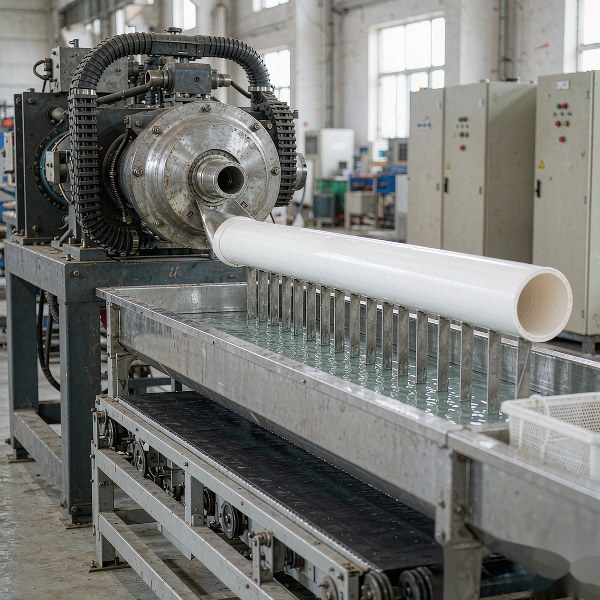
Rigid extrusion products, including pipes, fittings, and profiles, usually require stable processing behavior during continuous production.
In these applications, manufacturers need to consider how the stabilizer system works with extrusion conditions, lubrication balance, and appearance requirements. A formulation that supports consistent processing can help manufacturers maintain more reliable production conditions.
For products such as PVC pipe and fittings, stabilizer selection should be evaluated together with the extrusion process and the expected characteristics of the finished product. The focus is not only on thermal protection but also on whether the complete formulation is suitable for the actual manufacturing environment.
Flexible Compounds and Wire & Cable Applications
Flexible compounds and wire and cable materials often involve different formulation requirements compared with rigid products.
Because these materials may contain different additive combinations, the interaction between the stabilizer system and the complete compound becomes particularly important. Manufacturers need to consider whether the stabilizer package fits the existing formulation and supports consistent processing.
When evaluating materials for PVC wire and cable applications, engineers should consider the entire compound design rather than judging the stabilizer separately from other formulation components.
Transparent and Calendered Products
Transparent and calendered products usually place greater emphasis on appearance-related requirements.
Compared with opaque materials, transparent products require closer control of factors that influence visual quality, including color stability and processing consistency. The stabilizer system needs to work effectively with the rest of the formulation to support the required appearance.
For calendered products, manufacturers also need to consider the relationship between the stabilizer package, processing conditions, and production targets. A formulation suitable for one transparent application may require further evaluation before being transferred to another product.
How to Evaluate a Ca-Zn Stabilizer System Before Production
Selecting a Ca-Zn stabilizer system requires more than comparing technical descriptions. Before moving into regular production, manufacturers need to confirm whether the formulation matches their material requirements, processing conditions, and product objectives.
A practical evaluation usually involves understanding the application, reviewing production conditions, and confirming compatibility through controlled trials.
Define Application and Processing Conditions
Before selecting a stabilizer system, manufacturers should provide key information about the intended application and production environment.
Important information may include:
- Product type and target application;
- Processing method and equipment conditions;
- Existing formulation characteristics;
- Required product appearance and performance expectations.
These factors help determine whether a stabilizer system is suitable for the intended process. Without this background information, it is difficult to judge whether a formulation will match actual production requirements.
Run a Controlled Production Trial
A production trial allows manufacturers to evaluate how the stabilizer system performs within their own processing environment.
Laboratory evaluations can provide useful guidance, but actual production conditions may introduce additional factors, including equipment differences, processing speed, and interaction with other formulation components.
During a trial, manufacturers can review whether the material processes consistently and whether the finished product meets the intended requirements. The purpose is not only to evaluate the stabilizer itself but also to confirm compatibility between the stabilizer system and the complete compound.
Evaluate Processing and Finished Product Results
After testing, manufacturers need to compare the results against their production objectives.
Evaluation may focus on:
- Processing stability;
- Product appearance;
- Consistency between production runs;
- Compatibility with existing formulation requirements.
A suitable stabilizer selection process considers both manufacturing behavior and final product expectations. This approach helps reduce the risk of selecting a stabilizer based only on general descriptions without considering the actual production environment.
Choosing the Right Calcium-Zinc Stabilizer for Your Application
Choosing a suitable calcium-zinc stabilizer depends on the relationship between the stabilization system, material formulation, processing conditions, and final product requirements.
Instead of asking only which stabilizer provides the highest performance, manufacturers should first understand what their production actually requires. The product type, processing method, existing compound design, appearance expectations, and evaluation process all influence the final selection.
A suitable calcium zinc stabilizer formula should fit the complete manufacturing process, from initial formulation review and production trials to finished product evaluation.
For manufacturers looking for technical support, sharing application details, processing conditions, and current formulation challenges can help suppliers provide a more appropriate stabilizer recommendation.
Frequently Asked Questions
What does a calcium zinc stabilizer do in PVC?
A calcium zinc stabilizer helps improve processing stability by controlling thermal degradation reactions during manufacturing. It works through the combined effects of calcium-based components, zinc-based components, and supporting additives within a complete stabilization system.
Why are calcium and zinc combined in PVC stabilizers?
Calcium and zinc are combined because they provide complementary functions within a stabilization system. Their effectiveness depends on how these components interact with each other and with the complete material formulation.
Can one calcium zinc stabilizer formula be used for all applications?
No. Different applications have different processing conditions and product requirements. A stabilizer system suitable for one application may require further evaluation before being applied to another manufacturing process.
What information should manufacturers provide before selecting a calcium zinc stabilizer?
Manufacturers should provide information about the application, processing method, formulation conditions, and product requirements. This information helps determine whether a stabilizer system matches the intended production environment.
Technical Consultation for Stabilizer Selection
Choosing the right stabilizer system requires understanding both material requirements and manufacturing conditions.
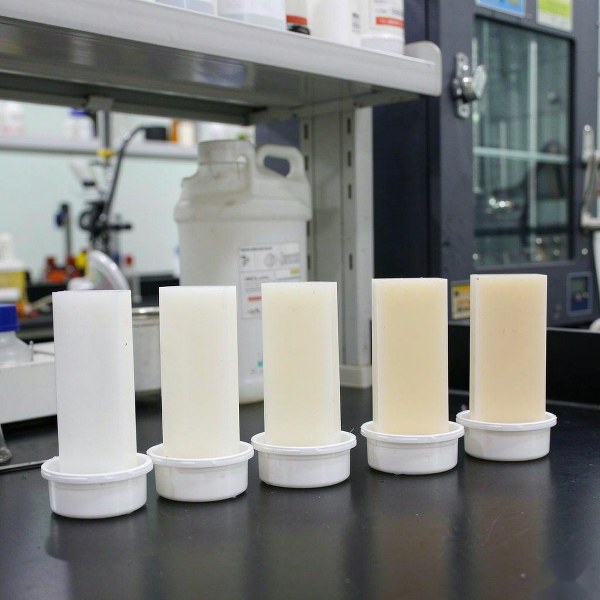
If you are evaluating a calcium-zinc stabilizer formulation for your products, share your application details, processing conditions, and production objectives with the AIMSEA technical team to discuss a suitable solution and sample evaluation process.