

Posted by Ms.Yan
in blog
Technical Engineer
Updated 2026-09-22
What to Test When Replacing Antimony Trioxide in PVC Cable Compounds
Read:44
Source:
Antimony trioxide replacement in PVC cable compounds requires a comparison of complete formulations, followed by testing appropriate to the finished cable. A candidate should meet the agreed fire, smoke, mechanical, electrical and processing requirements before it is approved. Neither a higher oxygen index nor a supplier’s replacement claim establishes that the new compound will perform adequately in your cable construction.
For compounders evaluating flame retardant additives for PVC, the useful question is therefore specific: what evidence would justify moving this formulation from laboratory screening to production? Use the following checks to plan the comparison, identify missing data and decide which candidates deserve a production trial. The applicable product specification determines the actual test methods and acceptance limits.
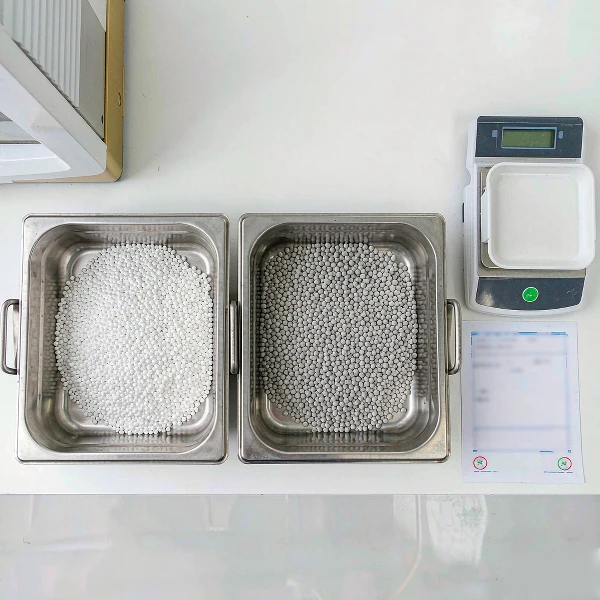
Figure 1. A candidate flame-retardant PVC compound is judged against the qualified reference formulation, not in isolation.
Define Your ATO Replacement Target for PVC Cable Compounds
Start by writing down the project objective. Reducing antimony trioxide loading, removing ATO as an ingredient, and meeting a total antimony limit are different tasks. Ask whether a proposed replacement contains another antimony compound before describing the result as antimony-free.
Also distinguish antimony-free from halogen-free. PVC contains chlorine, so removing ATO does not make a PVC compound halogen-free. Evaluate reduced-ATO and ATO-free candidates against their own objectives. Results obtained with a particular formulation and set of test conditions should not be treated as universal substitution rules.
Define whether the compound is for insulation, sheathing or another cable component. Then list the required properties and the documents that establish them. Include the intended market, cable construction, temperature rating, customer specification and any existing approval conditions.
Create a short acceptance sheet before ordering samples. Give every requirement a test method, specimen description, acceptance criterion and responsible reviewer. Where the applicable requirement is unclear, resolve it with the customer or testing organization before interpreting a result as a pass.
For an antimony-content specification, clarify whether the requirement concerns intentionally added ingredients or an analytical limit in the finished compound. Ask what declaration or measurement is required and whether the reporting limit is suitable. A product name containing “ATO replacement” does not answer those questions. Resolve them separately from the fire-performance comparison.
Compare Flame Retardant Additives for PVC in Controlled Trials
Use the current qualified formulation as the reference, and make a reference batch alongside the candidates where practical. Historical results remain useful, but differences in raw materials, specimen preparation or laboratory conditions can make a fresh comparison more informative.
Record all ingredients by grade and loading. Keep phr and weight percent separate: phr expresses parts by mass per hundred parts of resin, while weight percent refers to the stated total mixture. Do not compare the two without converting them on the same basis.
Use this planning template to define the purpose of each trial and the evidence needed to move forward.
| Trial | Purpose | Changes to document | Evidence needed before progression |
|---|---|---|---|
| Reference | Establish current performance | Current approved ingredients and processing conditions | Repeatable baseline results |
| Reduced-ATO candidate | Evaluate partial reduction | Remaining ATO and all added or adjusted components | Required properties retained at the proposed reduction |
| ATO-free candidate | Evaluate removal of ATO | Complete replacement package and related formulation changes | Material screening plus the required cable validation |
| Revised candidate | Address an identified shortfall | Specific changes and the reason for each | Retesting sufficient to assess affected requirements |
Do not assume equal loading means equivalent performance. Request the supplier’s formulation basis and supporting conditions before planning a direct substitution.
Review supplier reports for relevance before using them to shortlist candidates. Check whether the tested material is flexible PVC, whether its application matches yours, and whether the plasticizer and filler system are disclosed sufficiently for comparison. A report on a different construction can suggest a direction without predicting your result. Missing formulation details should remain visible in the trial record rather than being filled with assumptions.
If several ingredients must change together, evaluate the package as a complete formulation. You can select the better-performing system without claiming that one ingredient caused every improvement. Keep retained samples and version-controlled batch records so that later production results can be traced back to the laboratory work.
Test Fire Performance and Smoke in Flame Retardant PVC Cable
Choose screening tests that answer defined development questions, then identify the finished-cable tests required for the intended application. Avoid creating a single “flame retardancy” score from measurements that describe different behavior.
Use LOI to Screen Candidate Compounds
Limiting oxygen index can support comparisons between prepared material specimens. LOI provides an indication during development rather than a complete prediction of cable fire performance. Cable geometry and construction also matter, so evaluate the candidate in the construction for which it is intended.
For each result, record the method, specimen dimensions, preparation and conditioning. A number without these details is difficult to compare. If a candidate improves LOI, use that finding to decide whether it deserves further testing, rather than declaring the replacement complete.
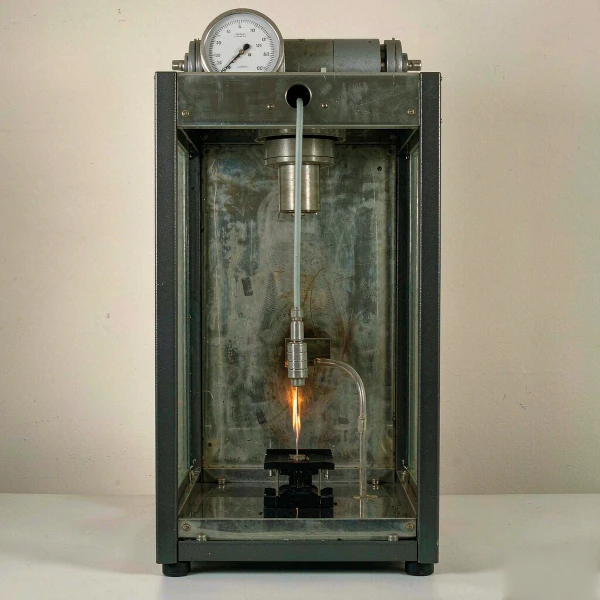
Figure 2. Limiting oxygen index screens prepared specimens; confirm the result in the actual cable construction before release.
Distinguish Material Ratings from Finished-Cable Results
UL 94 addresses small-scale material flammability. A reported material classification should not be presented as proof that a finished cable meets its applicable flame-propagation requirements. Keep material screening results and finished-cable verification in separate fields of the trial report so that neither is mistaken for the other.
One example of a cable-specific procedure is IEC 60332-1-2:2025, which addresses vertical flame propagation on a single insulated wire or cable using a 1 kW premixed flame. Its scope differs from a material plaque test. Select it only where the relevant product requirements call for it; it is not a universal substitute for other cable tests.
Evaluate Smoke Under the Required Test Conditions
Evaluate smoke separately from ignition and flame propagation. Define whether smoke evaluation is required and which method applies. IEC 61034-2 addresses smoke density from cables burning under defined conditions, including cable preparation and test arrangements. Confirm the required edition and amendments when commissioning the work.
Do not use a smoke measurement alone to claim low toxicity or compliance with separate gas-related requirements. Report what was measured, in which construction and under which conditions.
Verify Flame Retardant PVC Compound Performance Beyond Fire Tests
A flame retardant PVC compound must satisfy the requirements of its actual function. Passing a fire screening test does not answer whether the material retains sufficient elongation, can be extruded consistently or meets the necessary electrical criteria.
Compare Mechanical Properties Before and After Aging
Include tensile strength and elongation where specified, together with the required aging evaluations. IEC 60811-501 provides procedures for determining mechanical properties of insulating and sheathing compounds; the applicable cable specification establishes the requirements relevant to the project.
Use comparable specimen preparation and conditioning, and document the test speed and dimensions required by the selected method. Review individual results and the prescribed repeat measurements, rather than selecting the most favorable specimen. Investigate unexpected scatter before treating a small difference between candidates as meaningful.
Select Electrical Tests for Insulation or Sheathing
For insulation, agree on the applicable electrical measurements and conditioning requirements before the trial. If wet conditioning is required, specify its temperature and duration. Keep insulation resistance, volume resistivity and dielectric strength clearly identified; they are different quantities and should retain their own units and methods.
For sheathing, use the requirements of the intended construction rather than automatically copying an insulation test schedule. Record results against the acceptance sheet created at the start. When evaluating AIMSEA’s stabilizers for PVC wire and cable, provide the intended electrical requirements alongside the formulation. Assess the selected stabilizer in the complete compound under the required test conditions.
Confirm a Practical Extrusion Processing Window
During a controlled production trial, document the equipment, temperature settings, measured melt temperature where available, screw speed, output and line speed. Record surface quality, dimensions, deposits and interruptions alongside the material test results.
If a candidate needs different settings, preserve both sets of records. The comparison should show whether acceptable product was obtained within a practical operating window, including any additional cleaning or rejected material. A successful short laboratory run is a reason to progress carefully, not evidence of stable performance over an entire production campaign.
Collect specimens from clearly identified production periods and relate them to the operating log. If startup material is excluded from testing, document that choice and assess startup losses separately. This prevents a set of selected specimens from being mistaken for evidence that the whole run met requirements.
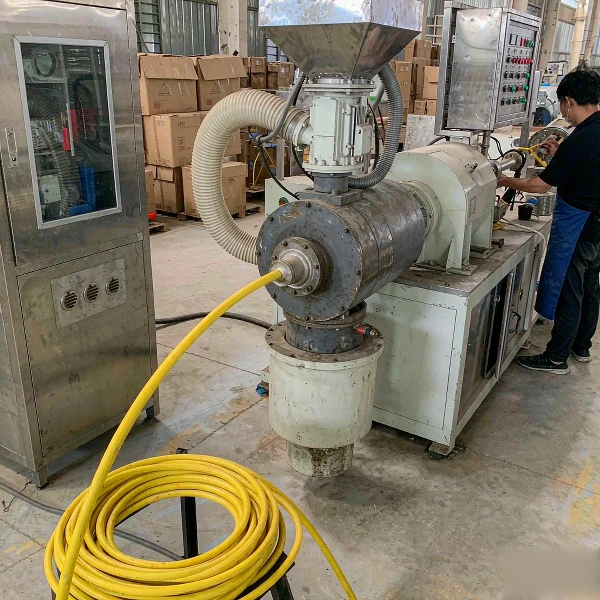
Figure 3. Capture processing data across identified production periods so material results trace back to the run.
Evaluate AIMSTA-6835 Within the Complete Formulation
AIMSTA-6835 is AIMSEA’s stabilizer companion for flame-retardant formulations. AIMSEA’s 2025 formulation guidance lists it alongside magnesium hydroxide and ZR1236, an antimony-free synergist. These components have distinct roles within the proposed system, so the trial should account for the complete combination and its compatibility with the base compound.
Evaluate AIMSTA-6835 as the stabilizer component of a candidate system, rather than assuming it is a standalone ATO replacement. Before including it in a cable-compound trial, request the current technical data sheet and confirm suitability for the intended insulation or sheathing application. The complete formulation must meet the relevant cable requirements.
Before selecting the trial formulation, request:
- The intended role of AIMSTA-6835 within the proposed complete package.
- Recommended trial loading and the formulation conditions behind that recommendation.
- Compatibility guidance for the actual resin, plasticizer, fillers and other additives.
- Relevant comparison reports identifying formulation, preparation, conditioning and test methods.
- Information needed to evaluate any antimony-content requirement for the complete package.
If the existing formulation already contains a stabilizer, clarify whether the proposed trial replaces or supplements that component. Document the resulting formulation rather than adding a new product without accounting for the original package.
Use the information to agree on a reference formulation, a candidate package and a test plan. Where supporting data do not match your application, identify the additional checks needed before scheduling production.
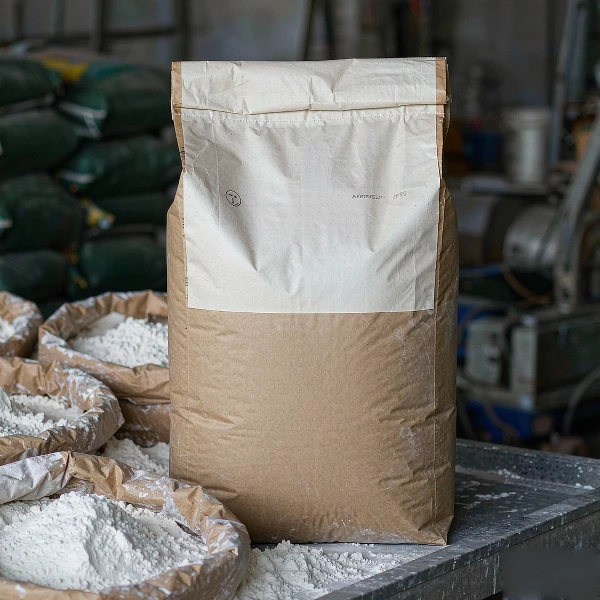
Figure 4. AIMSTA-6835 is evaluated as the stabilizer component of the complete candidate system.
Review ATO Replacement Results Before Production Scale-Up
Prepare a comparison sheet with the reference result, candidate result, acceptance criterion and decision for each required property. Include the report identifier and formulation version. Mark missing results as pending rather than leaving blank cells that could be mistaken for completed checks. This gives technical, quality and purchasing teams the same basis for the release discussion.
Review the results as a set. A candidate should progress because it satisfies the agreed requirements and has a workable validation plan, not because one measurement looks better than the reference.
Use three practical decision categories:
- Proceed to the next trial: required screening results are acceptable, records are complete, and the next validation step is defined.
- Revise and retest: a specific shortfall has been identified and there is a documented reason for the proposed adjustment.
- Hold the decision: essential data, acceptance criteria or approval requirements remain unresolved.
Before commercial release, confirm what qualification or approval review is required when changing the formulation. Do not assume an existing cable approval automatically covers the new compound. Agree on the necessary evidence with the responsible customer, laboratory or certification organization.
For purchasing decisions, compare cost on a consistent production basis. Include actual formulation cost, measured density where relevant, output, rejected material and any additional processing or qualification expense. A lower additive price alone does not establish a lower cost for accepted cable.
Finally, freeze the formulation version, raw-material grades and agreed processing conditions associated with the accepted results. Keep a record of which changes require further review so that a later sourcing adjustment is not mistaken for the already-evaluated system.
If you are comparing flame-retardant additive options for PVC, send AIMSEA your current ATO loading, complete formulation, cable application, processing conditions and target tests. Request the latest AIMSTA-6835 technical information to discuss its role in a candidate system. Agree on the formulation and evidence required for the trial before moving samples into production.