
What Is One Pack PVC Stabilizer? Uses, Formula Logic and Application Examples
Read:371
Source:
Quick Answer
What is one pack PVC stabilizer? It is a pre-balanced PVC additive package combining stabilizer, lubricant and processing support to simplify dosing and improve production consistency.
Key Takeaways
·A pvc one pack stabilizer combines multiple additive functions into one ready-to-use system.
·Common one pack stabilizer uses include PVC pipe, fittings, profiles, flooring, calendered film, wire and cable.
·A good one pack stabilizer formula should be designed by application, resin type, processing method and compliance needs.
·Compared with adding separate additives, one-pack systems can reduce weighing errors and improve batch consistency.
·The right one-pack system still needs trial testing under the customer’s actual formula and equipment.
·Buyers should provide product type, formula, processing data, current defects and target standards before requesting samples.
Abstract
A one pack PVC stabilizer is designed to make PVC production easier and more stable. Instead of adding heat stabilizer, lubricant and processing-support additives separately, manufacturers can use one integrated additive package. This helps simplify weighing, reduce operator errors and improve production consistency.
AIMSEA describes its polymer additive solution as an all-in-one formulation that combines stabilizing, lubricating and processing functions to simplify PVC production and support more consistent product quality. The company also provides calcium-zinc stabilizers and customized additive solutions for PVC pipes, fittings, profiles, flooring, cables, transparent products and recycled PVC applications.
This article explains what is one pack PVC stabilizer, how it differs from separate additives, where it is used, how the one pack stabilizer formula is designed, and what buyers should provide when asking suppliers for recommendations.
What Is One Pack PVC Stabilizer?
A pvc one pack stabilizer is a pre-mixed additive system used in PVC processing. It normally combines heat stabilizer, internal lubricant, external lubricant and other processing-support components into one package. The goal is to make production simpler and more consistent.
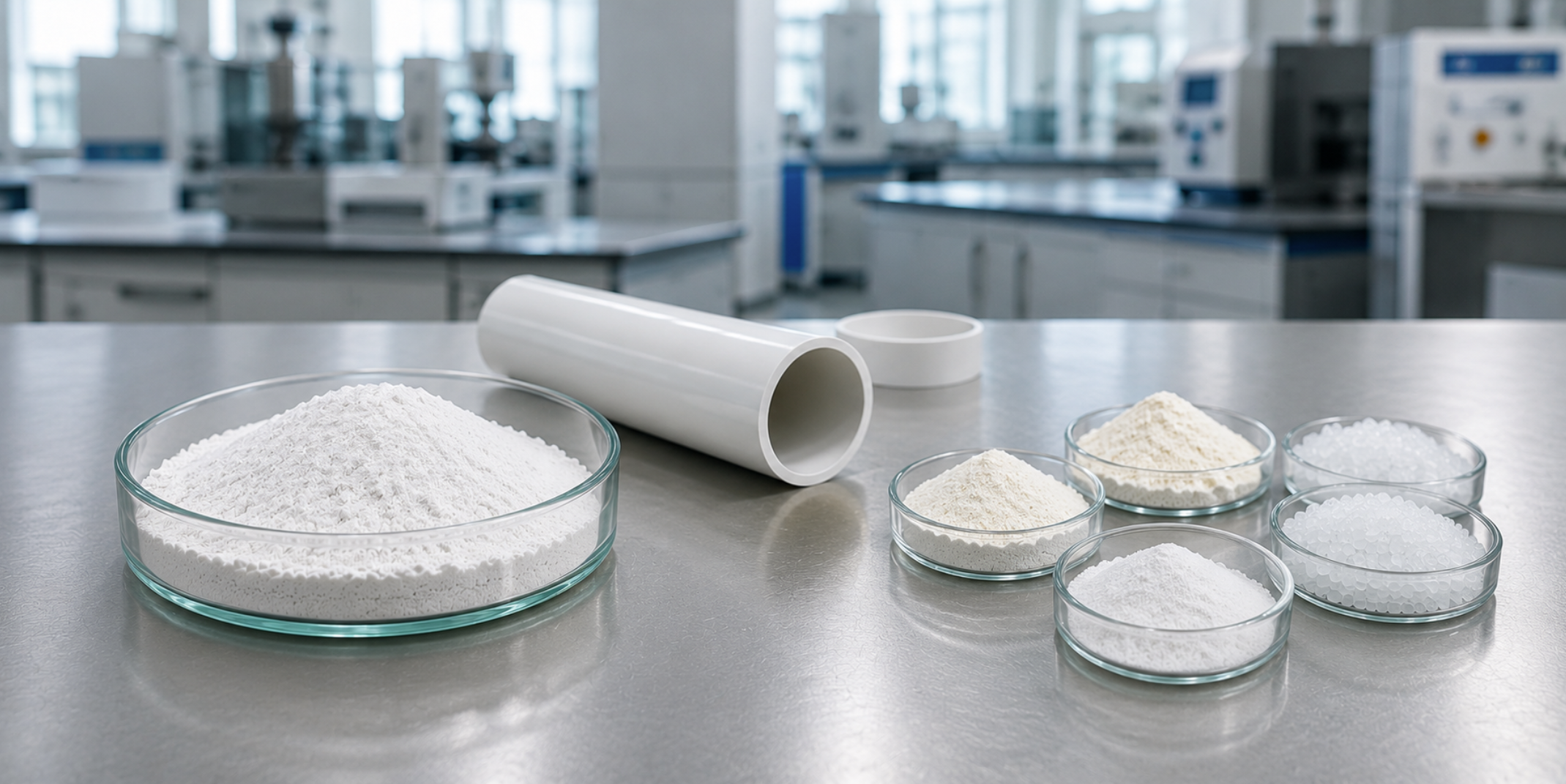
In traditional PVC formulation, a factory may add calcium-zinc stabilizer, lubricant, processing aid and other additives separately. This gives flexibility, but it also increases the risk of weighing errors or formula imbalance. A one-pack system reduces this risk by using a pre-balanced additive package.
For PVC processors, the answer to what is one pack PVC stabilizer is simple: it is not just one chemical. It is a complete additive solution designed to support heat stability, lubrication, processing behavior and product quality at the same time.
Basic definition for PVC processors
A one-pack stabilizer is usually selected according to product type and processing method. For example, a pipe-grade one-pack system should focus on fusion, extrusion pressure, die cleanliness and long-run stability. A calendering-grade system should focus more on roll release, plate-out control and surface quality. A transparent PVC system should pay more attention to clarity, odor and early color.
This means one-pack stabilizer selection should always start from the final PVC product, not only from price or dosage.
PVC One Pack Stabilizer vs Separate Additives
The main difference between a pvc one pack stabilizer and separate additives is how the formula is controlled. Separate additives give the manufacturer more adjustment space, but each ingredient must be weighed accurately. A one-pack system puts the key additive balance into one ready-to-use package.
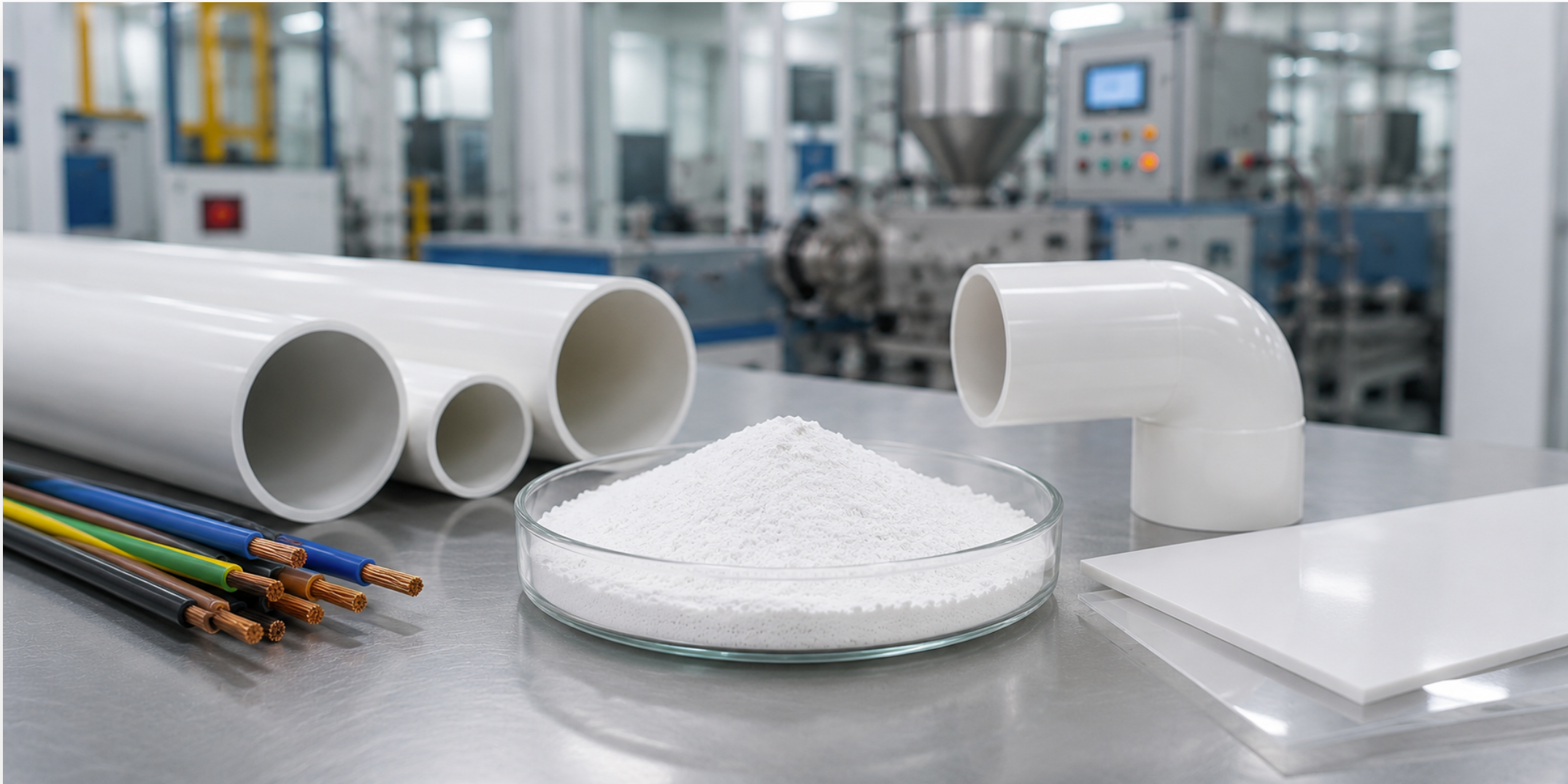
AIMSEA’s PVC stabilizer page positions one-pack systems as part of its customized PVC additive support for different product types and processing requirements.
Why integrated additive packages reduce production variation
Item | Separate Additives | One Pack PVC Stabilizer |
Dosing method | Multiple materials added separately | One integrated additive package |
Formula control | More flexible but more complex | Simpler and easier to manage |
Risk of weighing error | Higher | Lower |
Production consistency | Depends heavily on operator control | Easier to keep stable |
Formula adjustment | Can be adjusted ingredient by ingredient | Usually adjusted by supplier grade or dosage |
Suitable users | Factories with strong formulation control | Factories needing stable and simplified production |
A one-pack system is especially useful for factories with multiple shifts, frequent product changes or limited technical staff. It helps operators follow the same formula more easily and reduces daily variation in production.
Common One Pack Stabilizer Uses in PVC Products
Common one pack stabilizer uses include rigid PVC pipes, fittings, profiles, flooring, calendered films, sheets, cable compounds and other PVC products. The exact formula depends on the application.
AIMSEA’s application page covers PVC solutions for transparent plastic products, calendering PVC, medical supplies, pipe and fittings, wire and cable, foam, profiles, recyclable PVC and organotin stabilizer systems.
Application examples for pipe, cable, film and fittings
For PVC pipes, one-pack systems help support stable extrusion, controlled fusion, low die build-up and uniform surface quality. For fittings, the formula should also consider mold release and injection flow. For calendered PVC, roll cleanliness and plate-out control are important. For wire and cable, heat aging, electrical performance and moisture control may become key requirements.
Transparent PVC needs a different balance. The stabilizer should support clarity, low haze, low odor and color stability. Medical PVC requires even stricter attention to safety, odor, transparency and documentation.
PVC Product | Main Requirement | One-Pack Formula Focus |
PVC pipe | Stable extrusion, low die deposits, wall consistency | Heat stability, fusion control, lubrication balance |
PVC fittings | Mold flow, release, surface quality | Heat stability, release and surface finish |
Profiles | Weather resistance, surface quality, long-run stability | Lubrication, heat stability, processing window |
Calendered film/sheet | Roll release, plate-out control, surface smoothness | Lubricant balance and dispersion |
Wire and cable | Heat aging, electrical performance, stable compounding | Thermal stability and processing consistency |
Transparent PVC | Clarity, low yellowing, low haze | Compatibility, color control and low precipitation |
One Pack Stabilizer Formula Logic
A good one pack stabilizer formula is not created by simply mixing several additives together. It should be designed according to PVC resin, filler level, plasticizer use, processing method, equipment conditions and target performance.
AIMSEA states that choosing the right PVC stabilizer or additive package should be based on processing method, product type and compliance requirements. This logic also applies to one-pack formula design.
How suppliers design the additive balance
The formula design usually follows this logic:
PVC Product Type -> Resin and Filler System -> Processing Method -> Heat Stability Target -> Lubrication Balance -> Surface Requirement -> Compliance Need -> Trial Validation
For rigid PVC pipe, the supplier may increase focus on fusion control and external lubrication. For injection fittings, demolding and surface appearance may need more attention. For high-filler products, dispersion and melt strength become important. For export products, RoHS, REACH and heavy metal requirements may affect raw material selection.
A good supplier should not recommend one universal grade for every PVC product. The one pack stabilizer formula should be matched to the real production conditions.
Advantages and Limitations of PVC One Pack Stabilizer
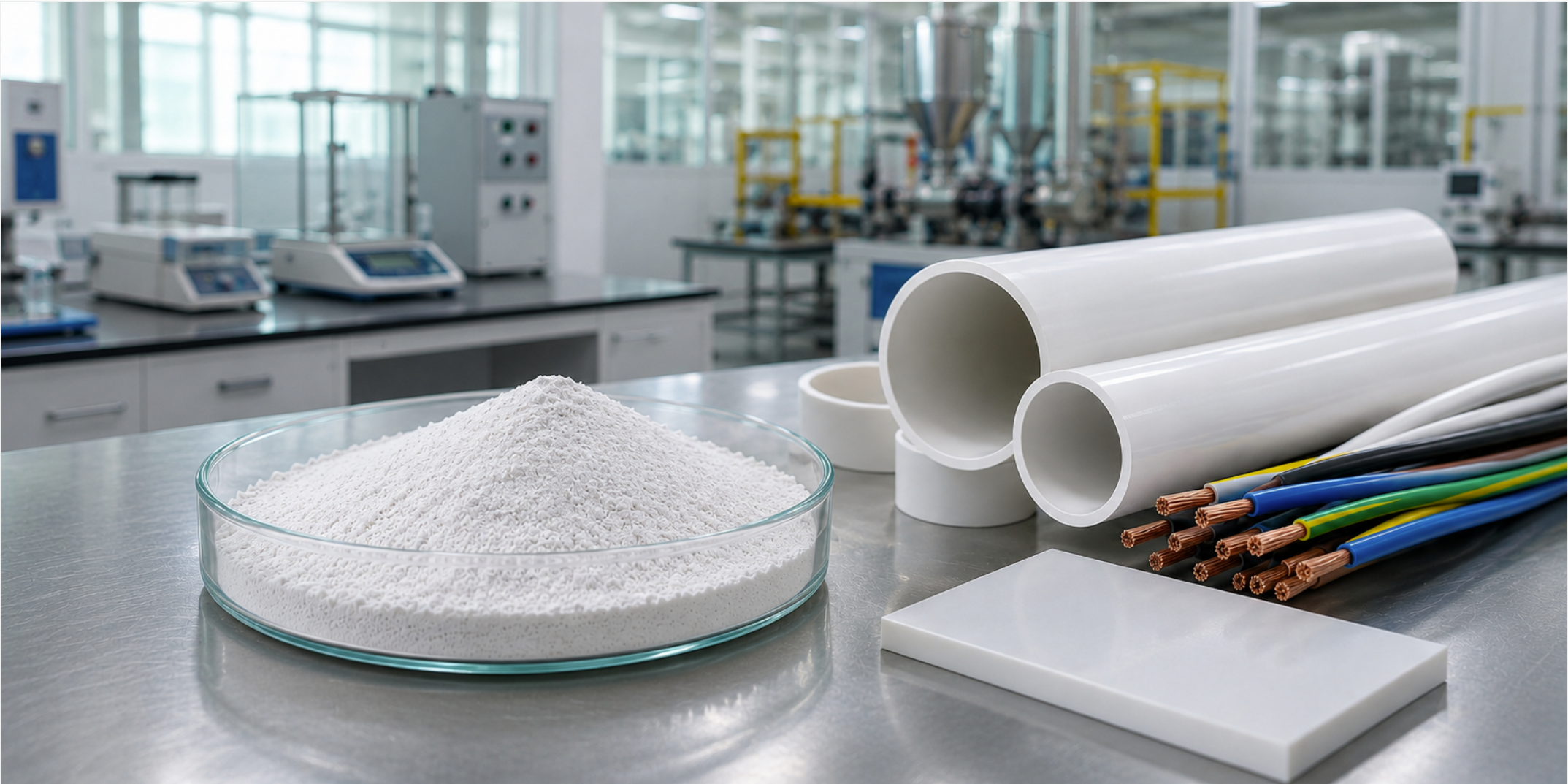
A pvc one pack stabilizer has clear advantages, but it is not a magic solution for every problem. Buyers should understand both sides before switching from separate additives to one-pack systems.
When one-pack systems work best?
The main advantages include simpler dosing, fewer weighing errors, easier formula management and more stable production. For factories that want to reduce daily adjustment work, one-pack stabilizers can improve efficiency.
However, one-pack systems also need proper matching. If the buyer changes resin, filler, lubricant, pigment, recycled material ratio or equipment temperature, the same stabilizer grade may not perform exactly the same. In this case, the supplier may need to adjust the formula or recommend another grade.
Common limitations include less flexibility for on-site ingredient-by-ingredient adjustment and the need for accurate supplier communication before sampling. The best results usually come when the customer provides full production information.
How to Request a Suitable One Pack Stabilizer Formula?
When asking a supplier for a one pack stabilizer formula, buyers should avoid sending only a product name. “We need one-pack stabilizer for PVC pipe” is not enough for accurate recommendation.
The supplier needs to know the formula, equipment and performance target. AIMSEA’s homepage highlights custom formulation support from in-house R&D and advanced testing facilities, which reflects the importance of technical matching instead of only standard product selection.
Information buyers should send to suppliers
Information to Provide | Example Details |
Product type | Pipe, fitting, profile, cable, film, sheet, flooring |
PVC resin | K value, brand, suspension PVC type |
Current formula | PVC, filler, plasticizer, lubricant, stabilizer, pigment |
Processing method | Extrusion, injection molding, calendering, compounding |
Equipment data | Mixer, extruder, calender or injection machine model |
Processing conditions | Temperature profile, line speed, pressure, torque, cycle time |
Current problems | Yellowing, plate-out, high torque, rough surface, poor release |
Target performance | Better surface, lower cost, faster output, lead-free replacement |
Compliance needs | RoHS, REACH, heavy metal report, food-contact or customer standard |
Sample request | Trial quantity, target dosage, testing method |
With this information, the supplier can recommend a more suitable grade, dosage range and trial method.
FAQs About What Is One Pack PVC Stabilizer
What is one pack PVC stabilizer used for?
A pvc one pack stabilizer is used to simplify PVC processing by combining stabilizer, lubricant and processing-support additives. It is commonly used in PVC pipes, fittings, profiles, flooring, cable compounds, sheets and films.
Is a one-pack stabilizer the same as a calcium-zinc stabilizer?
Not exactly. A calcium-zinc stabilizer is a heat stabilizer system, while a one-pack stabilizer is an integrated additive package. Many one-pack systems use calcium-zinc chemistry as the main stabilizing base, but they may also include lubricants and other processing aids.
What are common one pack stabilizer uses?
Common one pack stabilizer uses include extrusion, injection molding, calendering and compounding for PVC products that need stable heat resistance, lubrication and processing control.
How is a one pack stabilizer formula selected?
The formula is selected according to PVC product type, resin, filler, plasticizer, processing method, temperature profile, surface requirement and compliance target. Final approval should be based on trial results.
Can one-pack stabilizer reduce production cost?
Yes, it can reduce hidden costs by lowering weighing errors, improving batch consistency, reducing rejects and simplifying production control. However, cost should be evaluated by total production performance, not only unit price.
Conclusion
What is one pack PVC stabilizer? It is a pre-balanced additive package that combines stabilizing, lubricating and processing-support functions for PVC production. Its purpose is to make formulation management easier and improve production stability.
Compared with separate additives, a pvc one pack stabilizer can reduce weighing errors and support more consistent processing. Common one pack stabilizer uses include pipe, fittings, profiles, flooring, calendered film, cable compounds and transparent PVC products.
The key is matching. A good one pack stabilizer formula should be designed around application, processing method, raw materials, equipment and compliance requirements. Before sample testing, buyers should provide complete formula and production information so the supplier can recommend the right grade and dosage.