
Ca-Zn Stabilizer for Calendered Transparent PVC: Clarity, Plate-Out and Processing Stability
Read:250
Source:
Abstract
Calendered transparent PVC products are highly sensitive to stabilizer quality. Clear sheet, transparent rolls, white film and transparent film must remain clean, bright and stable during continuous production. A small imbalance in heat stability, lubrication or additive compatibility can lead to haze, yellowing, plate-out, roller deposits, surface marks or inconsistent batches.
For manufacturers producing calendered transparent PVC, the right Ca-Zn stabilizer is not only a heat stabilizer. It is part of the optical quality system, processing-control system and export-compliance strategy. This guide explains how to select a PVC calendering stabilizer for transparent sheet and film applications, what buyers should test before bulk production, and how AIMSEA ultra-clear Ca-Zn stabilizer solutions can support sample-based evaluation for transparent PVC products.
Why Calendered Transparent PVC Needs a Dedicated Stabilizer?
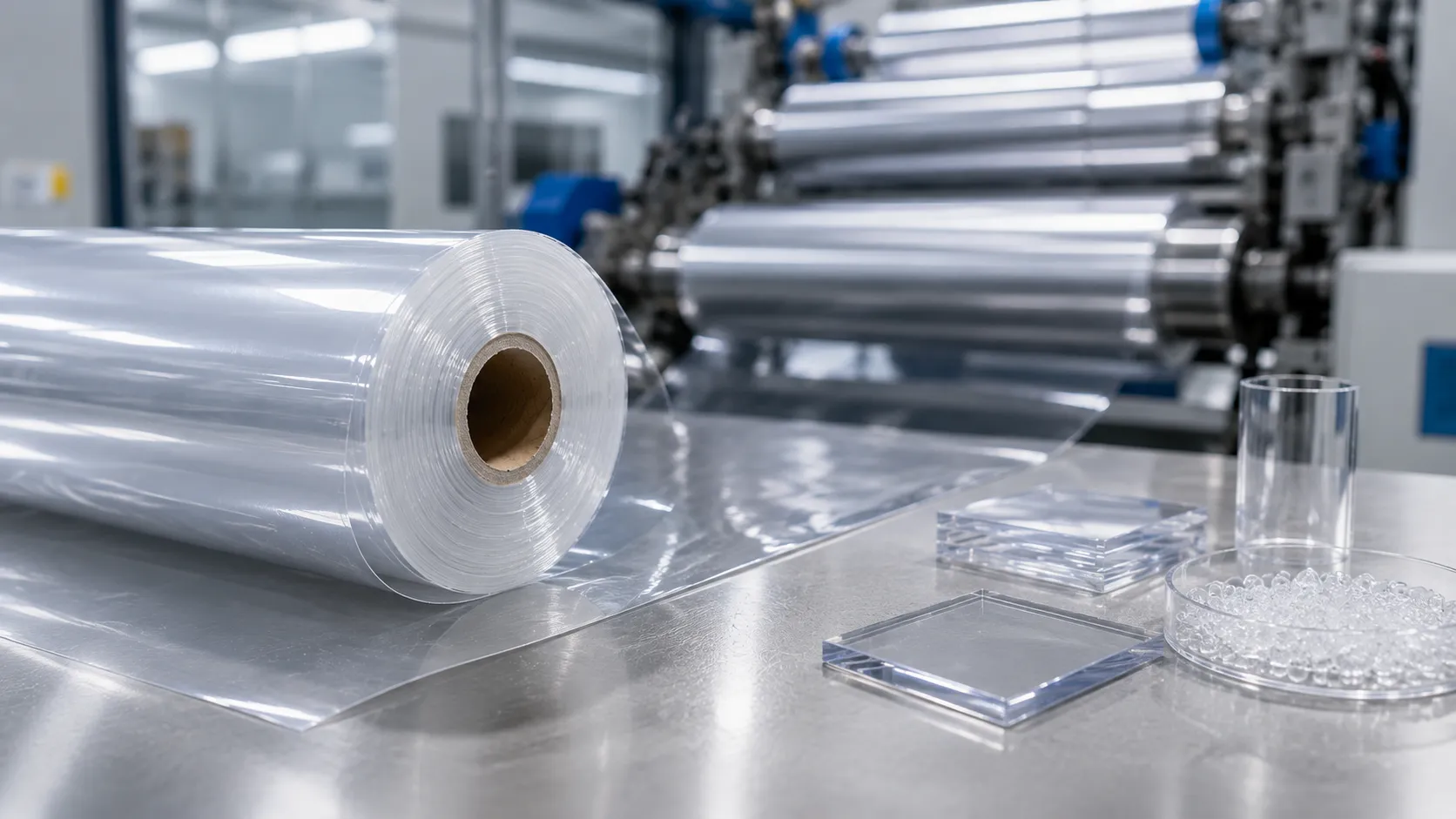
Calendering is not a forgiving process. PVC material passes through heated rollers under pressure and shear, forming sheet, roll material or film. For transparent products, every small processing problem can appear on the finished surface.
A general-purpose stabilizer may provide basic thermal protection, but calendered transparent PVC requires more. The stabilizer system must support optical clarity, early color control, heat resistance, low plate-out, clean roller operation and stable batch performance.
AIMSEA’s PVC stabilizer page identifies clear PVC sheet, rigid sheet, shrink film, transparent film, white film, hose and packaging as ultra-clear transparent PVC applications, with performance goals including high clarity, low haze, yellowing control, low odor and stable Ca-Zn processing.
Quick Answer
For calendered transparent PVC, choose a Ca-Zn stabilizer that supports high transparency, low haze, good initial color, long-term heat stability, low plate-out, balanced lubrication and batch consistency. The stabilizer should be tested by haze, transmittance, static aging, dynamic processing and roller-cleanliness observation before bulk use.
PVC Calendering Stabilizer: What It Must Control on the Line?
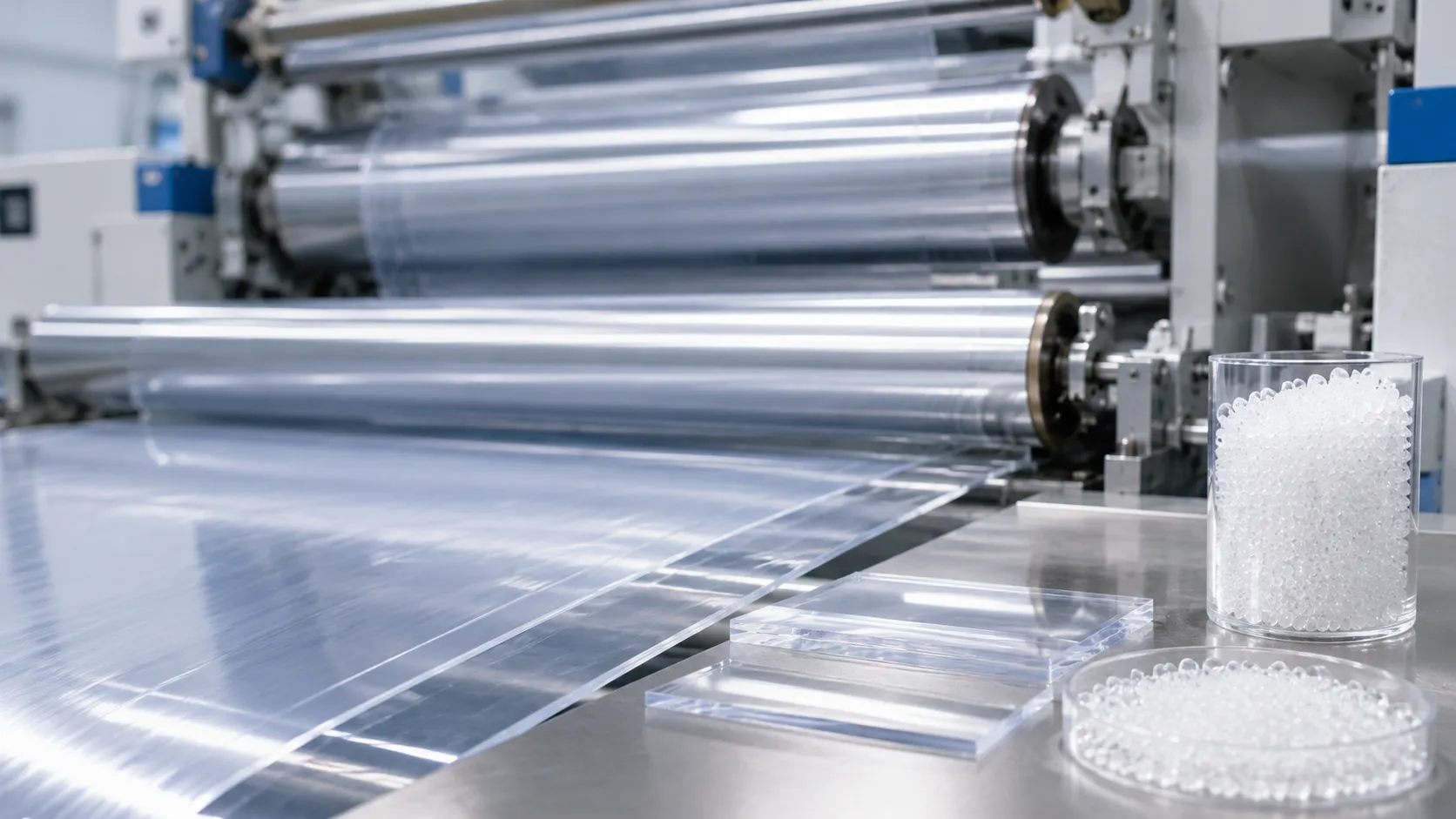
A PVC calendering stabilizer must work under heat, pressure, shear and continuous roller contact. This makes calendering different from ordinary extrusion or injection molding. The stabilizer needs to protect the PVC resin while also working with lubricants and processing additives to keep the material flowing cleanly through the rollers.
Calendering Challenge | What Happens If Stabilizer Is Not Suitable | Stabilizer Selection Focus |
High heat history | Yellowing or color deepening | Strong initial and long-term heat stability |
Roller contact | Deposits, plate-out, surface marks | Low migration and balanced lubrication |
Thin film or sheet | Defects become highly visible | Low haze and clean dispersion |
Continuous production | Small instability becomes repeated waste | Batch consistency and stable processing window |
Transparent appearance | Cloudiness cannot be hidden | Optical-grade Ca-Zn stabilizer system |
AIMSEA’s internal PVC stabilizer overview defines stabilizer performance evaluation in terms of initial heat stability, long-term heat stability, residual heat stability, static heat stability and dynamic heat stability. It also lists processing evaluation by torque rheometer and color testing, which are useful for judging calendering behavior before production.
What Calendering Buyers Should Avoid?
Avoid selecting only by:
① Stabilizer price per kilogram
② Static aging time alone
③ A sample that only looks clear under room light
④ A formula copied from extrusion
⑤ A supplier claim of “good transparency” without haze data
⑥ A product that has not been tested for plate-out or roller deposits
Calendering requires real process validation.
Transparent PVC Sheet Stabilizer: Clarity and Initial Color
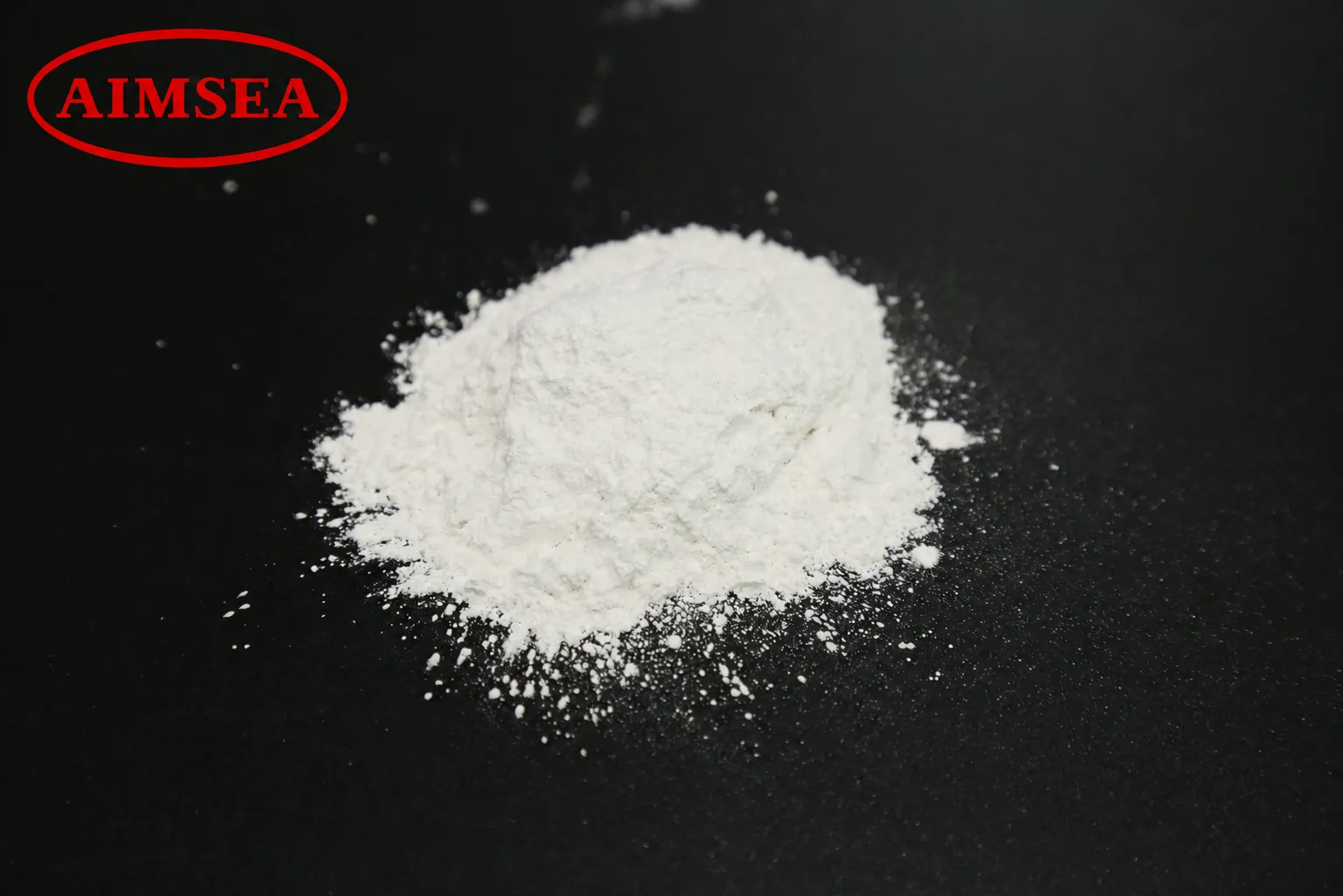
A transparent PVC sheet stabilizer must protect the product’s visual quality from the first production meters to the end of the run. For clear sheet and rigid transparent sheet, buyers usually focus on light transmittance, haze, yellowing resistance, surface gloss and color consistency.
Intertek explains that haze is light scattering as it passes through a transparent material, while luminous transmittance measures how much light passes through the sample. These two measurements are directly relevant to transparent PVC sheet and film quality control.
Key Optical Requirements for Clear Sheet
Requirement | Why It Matters |
High light transmittance | Maintains clear and premium appearance |
Low haze | Prevents cloudy, milky or foggy visual defects |
Good initial color | Reduces yellow tone at the start of processing |
Stable color after heating | Protects appearance during continuous production |
Clean surface gloss | Improves finished-product grade |
Low odor | Supports consumer-facing and packaging applications |
AIMSEA’s rigid transparent Ca-Zn material for CZ-188 states that the stabilizer has no organotin, no irritating odor, non-toxic direction, good initial whiteness, long-term heat stability, no precipitation/fogging tendency and good transparency for crystal-clear products. It also reports a comparison where organotin showed 86.7% transmittance and 2.7% haze, while CZ-188 showed 86.3% transmittance and 2.8% haze under the tested conditions.
This does not mean every transparent PVC sheet can use one fixed grade. It means transparent sheet stabilizer selection should be supported by optical data, not only by visual judgment.
Low Plate-Out PVC Stabilizer: Why Surface Cleanliness Matters?
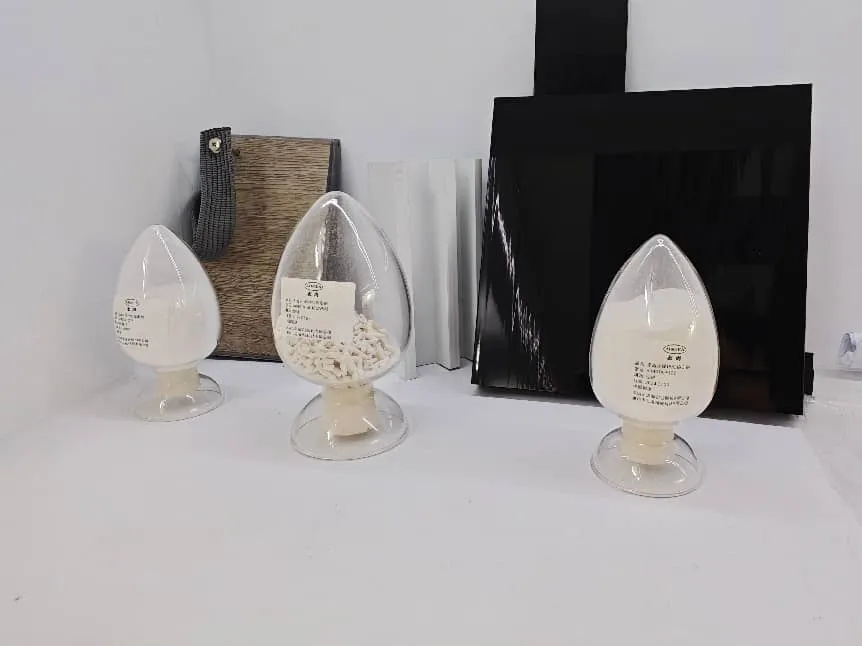
A low plate-out PVC stabilizer is especially important for calendered sheet and film. Plate-out occurs when additive components migrate and deposit on processing equipment such as rollers, dies or mold surfaces. In transparent PVC, this can create haze, fogging, surface streaks, roller marks, poor gloss and higher cleaning frequency.
AIMSEA’s PVC stabilizer overview defines plate-out as additive components separating from the compound during processing and adhering to metal surfaces such as rollers or mold walls; it also distinguishes blooming as migration from the product interior to the surface during use.
Common Signs of Plate-Out in Calendering
Symptom | Possible Cause | What to Check |
Roller deposits | Additive migration or lubricant imbalance | Stabilizer compatibility and lubricant package |
Foggy film surface | Low-molecular components or poor dispersion | Haze, formulation and raw material quality |
Surface streaks | Deposits on rollers or unstable melt flow | Plate-out observation and roller cleanliness |
Gloss variation | Lubrication imbalance or uneven fusion | Torque behavior and processing temperature |
Frequent cleaning | High migration tendency | Low plate-out stabilizer trial |
For advertising and SEO around transparent calendering, this is a strong technical message: clarity is not only about transparency. It is also about keeping the calendering line clean.
White Film and Transparent Film: Different Risks, Different Priorities
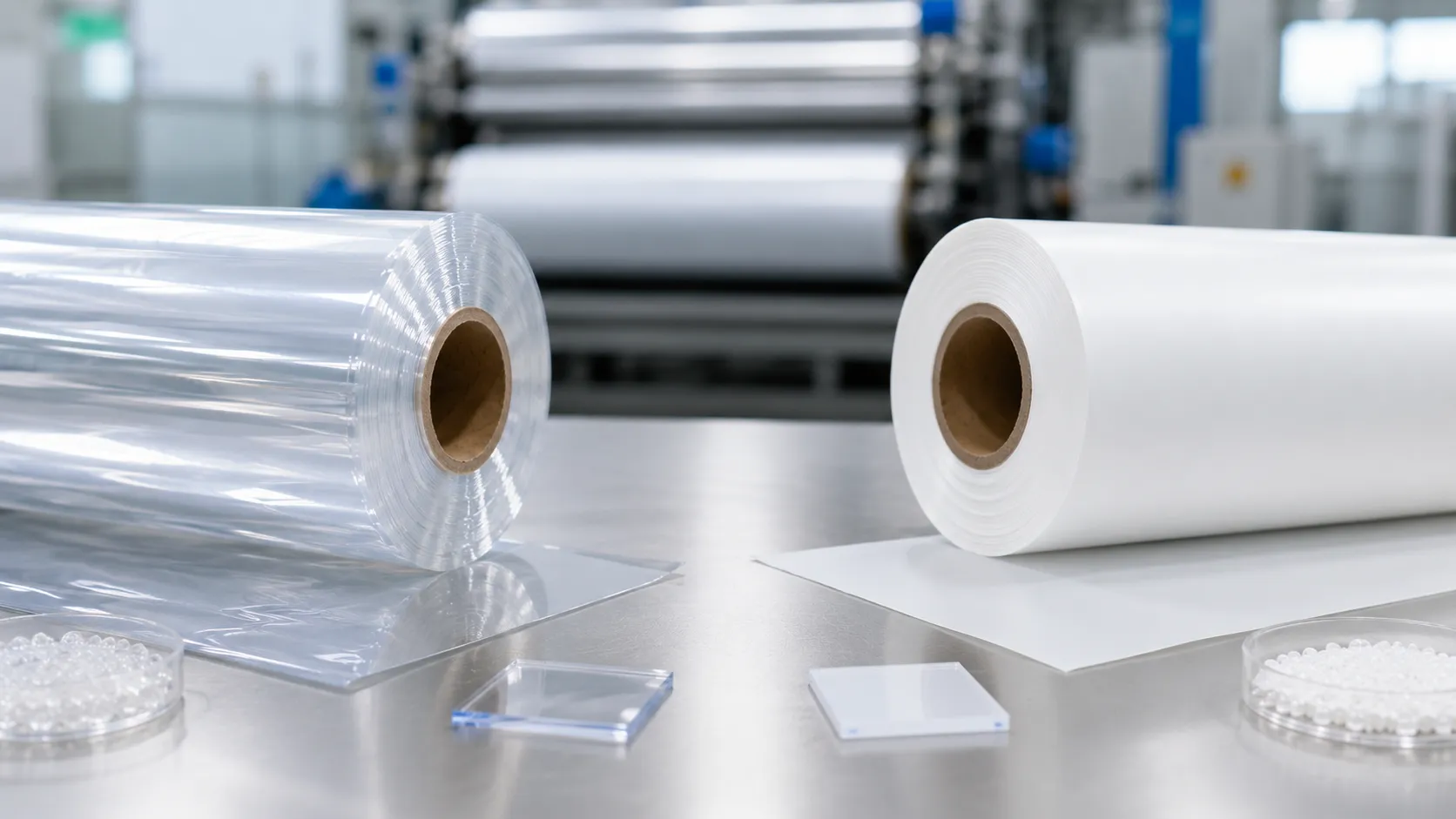
White film and transparent film may run on similar equipment, but their quality risks are not identical.
Transparent film exposes haze and surface defects directly. White film is more sensitive to initial color tone, yellowing and color uniformity. Shrink film needs clarity and heat resistance while maintaining stable shrink behavior.
Stabilizer Priorities by Calendered Product
Product Type | Main Quality Risk | Ca-Zn Stabilizer Priority |
Transparent PVC sheet | Haze, yellowing, surface marks | Ultra-clear stabilizer with high clarity and low plate-out |
Rigid transparent sheet | Heat aging, clarity, impact balance | Strong thermal stability and optical control |
Transparent PVC film | Roller deposits, haze, uneven gloss | Low plate-out, low haze and balanced lubrication |
White film | Yellow tone, color drift | Initial color control and heat aging resistance |
PVC shrink film | Heat history, clarity, dimensional behavior | Stable processing and controlled heat resistance |
Calendered rolls | Batch variation and surface defects | Consistent stabilizer quality and clean operation |
AIMSEA’s transparent PVC positioning covers sheet, rigid sheet, shrink film, transparent film and white film, which fits the current market direction of focusing on transparent and calendered PVC products.
Lubrication Balance and Processing Stability in Calendering
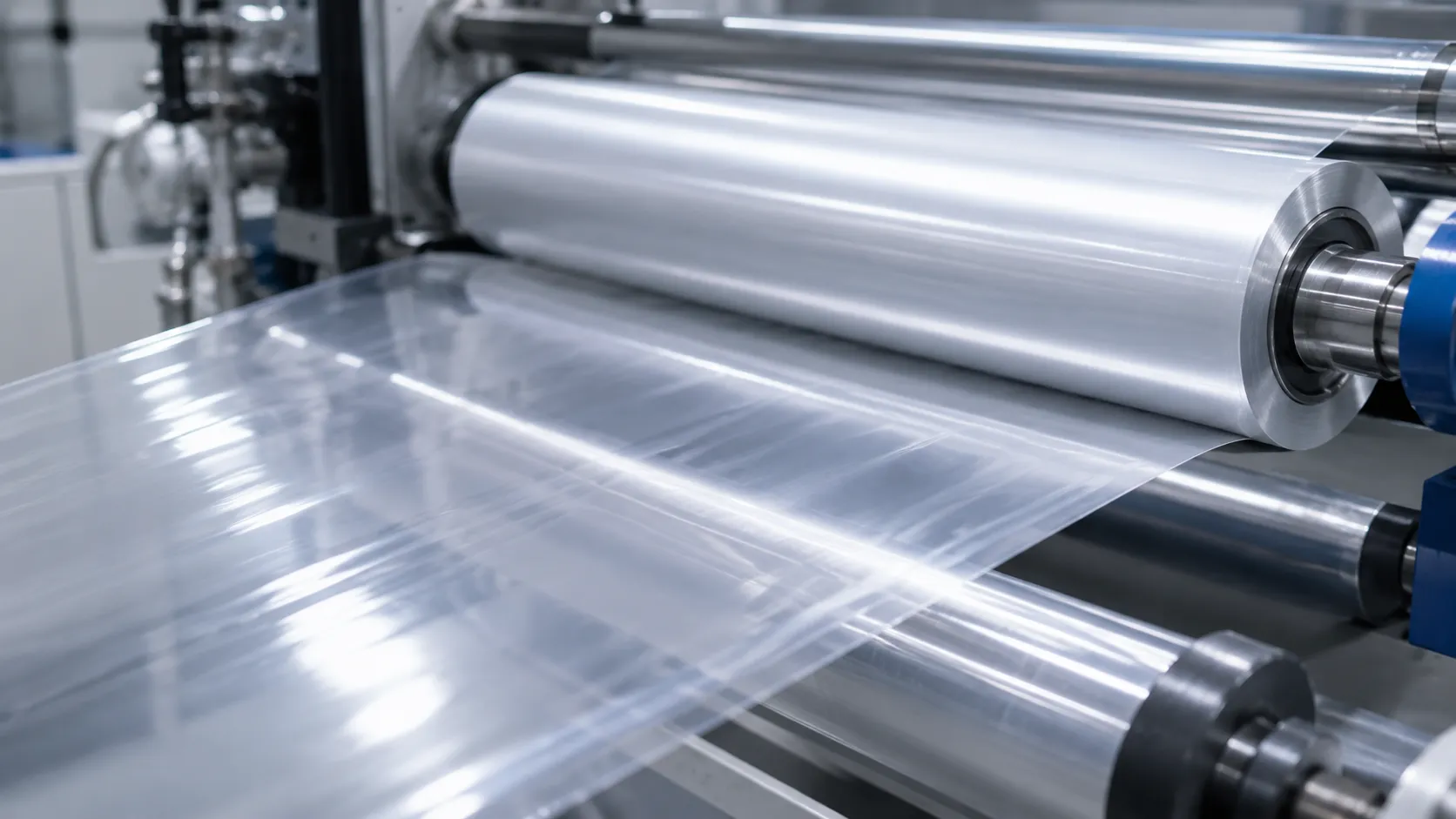
A stabilizer alone cannot solve every calendering issue. In transparent PVC, the stabilizer must work with internal and external lubricants. Too little lubrication may cause high friction, overheating and sticking. Too much external lubrication may delay fusion, reduce surface quality or increase migration risk.
A good Ca-Zn system for calendered transparent PVC should support a controlled balance:
Lubrication Issue | Processing Result | Possible Finished Product Issue |
Too little external lubrication | Roller sticking, overheating | Yellowing, surface drag marks |
Too much external lubrication | Poor fusion, migration | Haze, plate-out, weak surface |
Poor internal lubrication | High melt friction | Unstable flow, rough surface |
Poor compatibility | Additive separation | Fogging, deposits, blooming |
Batch variation | Changing torque and surface quality | Inconsistent film or sheet |
This is why a PVC calendering stabilizer should not be judged only by “heat stability.” It must be evaluated as part of the full processing package.
What Stable Processing Looks Like?
A well-matched stabilizer system should help deliver:
① Smooth sheet or film surface
② Stable roller release
③ Lower deposit formation
④ Stable initial color
⑤ Controlled haze
⑥ Longer continuous running time
⑦ Less frequent cleaning
⑧ Better batch-to-batch consistency
For production managers, these process benefits are often more valuable than a small difference in stabilizer dosage.
Batch Consistency and Sample Testing Before Bulk Production
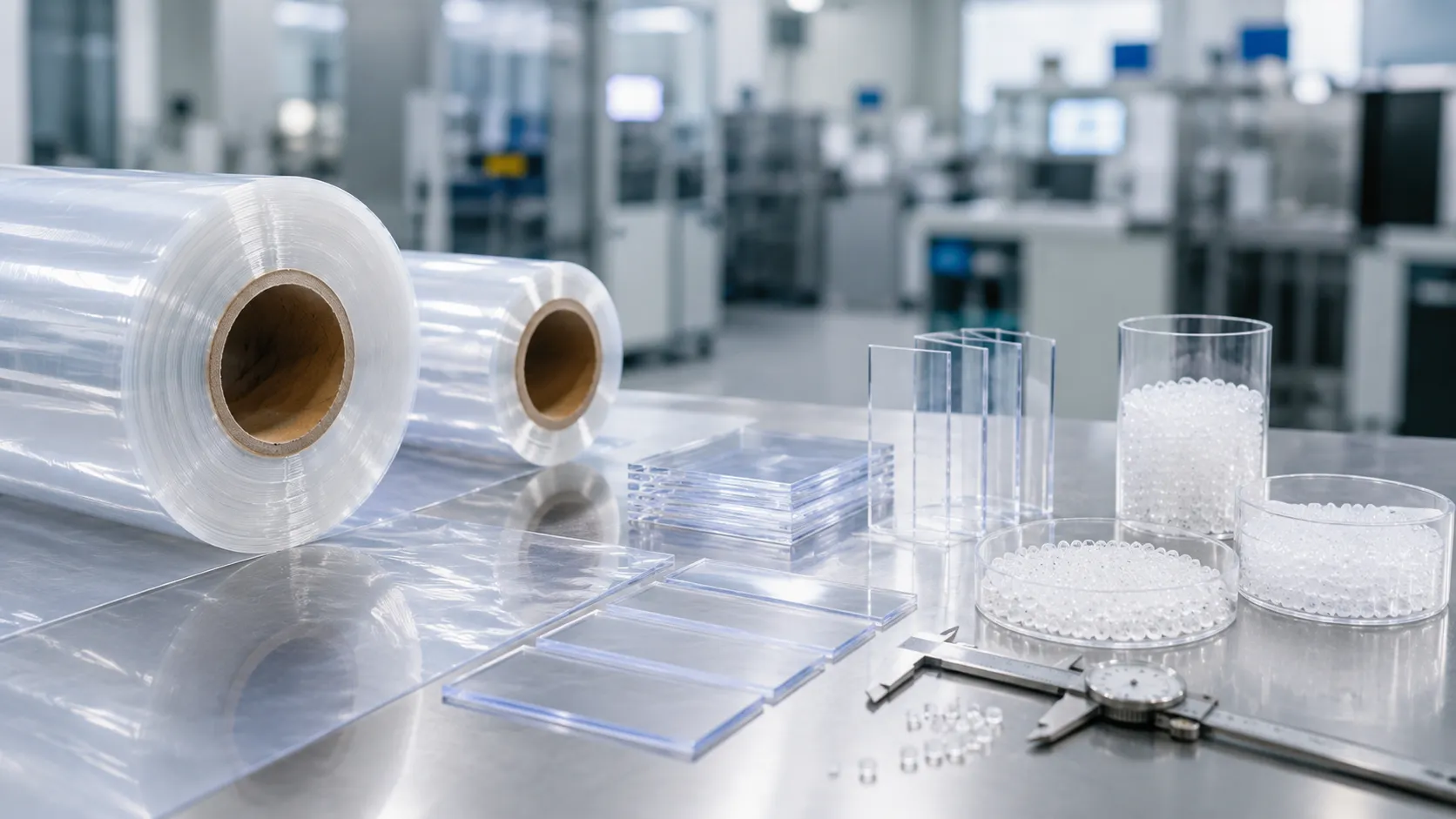
Calendered transparent PVC is sensitive to batch changes. A stabilizer sample may look good in the lab, but the real test is whether it performs consistently across actual production batches.
AIMSEA’s internal materials emphasize static aging, dynamic processing, transmittance and haze testing for transparent PVC stabilizer evaluation. Medical transparent PVC documents also list dynamic open-mill aging and transmittance/haze testing as part of transparent stabilizer comparison.
Recommended Test Plan for Calendered Transparent PVC
Test Stage | Test Item | Purpose |
Lab screening | Static heat aging | Check yellowing and heat stability |
Lab screening | Haze and transmittance | Confirm optical quality |
Lab screening | Color Lab / yellowness index | Quantify color change |
Dynamic test | Open-mill or torque rheology | Observe processing stability |
Process test | Plate-out observation | Check roller-cleanliness risk |
Production trial | Continuous calendering test | Confirm real-line performance |
Final approval | Batch comparison | Confirm stability before bulk purchase |
This workflow helps avoid one of the biggest mistakes in transparent PVC: approving a stabilizer based on a good-looking sample without checking continuous processing behavior.
AIMSEA Ultra-Clear Ca-Zn Stabilizer as a Trial Solution
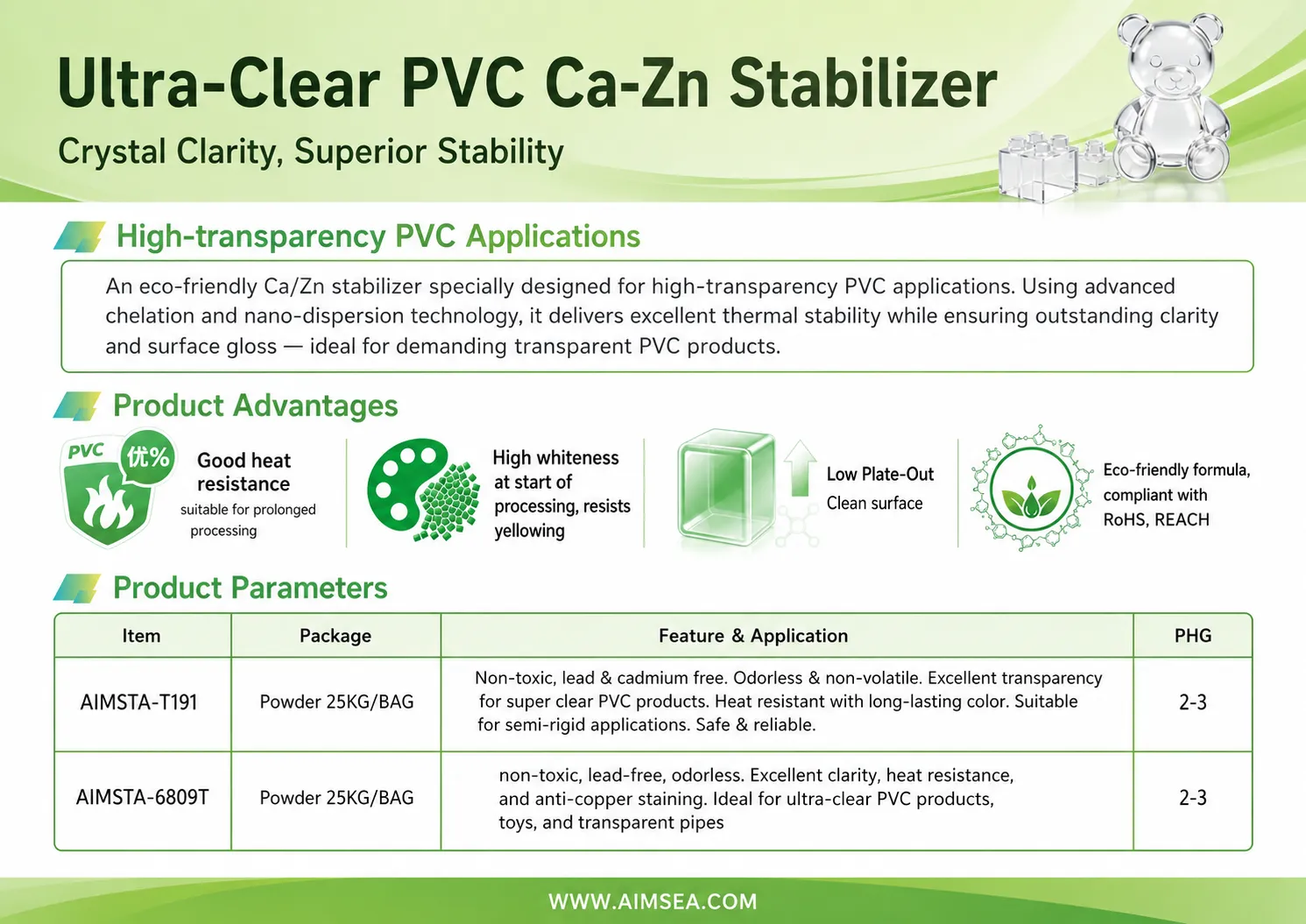
AIMSEA’s ultra-clear Ca-Zn stabilizer solutions can be positioned as sample-ready solutions for buyers producing calendered transparent PVC sheet, roll material, white film and transparent film.
For these buyers, the value is not only “lead-free Ca-Zn.” The value is the combination of clarity, low haze, yellowing control, low odor, low plate-out direction, testing support and application-based recommendation.
When to Request AIMSEA Sample Support?
Buyer Situation | What to Ask AIMSEA For |
Transparent sheet has haze | Ultra-clear Ca-Zn sample and haze/transmittance testing |
White film turns yellow | Initial color and heat-aging evaluation |
Rollers need frequent cleaning | Low plate-out stabilizer direction and plate-out test |
Transparent film has uneven gloss | Lubrication balance and processing review |
Current stabilizer has odor | Low-odor Ca-Zn direction |
Export buyers request lead-free materials | Compliance document support and Ca-Zn sample |
For export markets, lead-free direction is also becoming more important. TÜV Rheinland summarizes that lead shall not be placed on the market or used in PVC articles at concentrations above 0.1% by weight of the PVC material, effective November 29, 2024, with certain derogations.
Information to Provide in an Inquiry
To get a useful recommendation, buyers should provide:
① Product type: transparent sheet, rigid sheet, roll material, white film or transparent film
② Processing method: calendering line type and temperature range
③ Resin grade and K value
④ Plasticizer type and dosage if used
⑤ Current stabilizer system
⑥ Current lubricant package
⑦ Main problem: haze, yellowing, plate-out, odor or surface marks
⑧ Target market and compliance requirement
⑨ Required test items: haze, transmittance, aging, odor or production trial
The more specific the inquiry, the more accurate the stabilizer recommendation.
FAQs About Calendered Transparent PVC Stabilizers
What is the best Ca-Zn stabilizer for calendered transparent PVC?
The best stabilizer depends on the product type, processing temperature, resin system, lubricant balance and quality target. For calendered transparent PVC, buyers should prioritize high clarity, low haze, low plate-out, good initial color and stable heat resistance.
Why does transparent PVC film become hazy during calendering?
Haze can come from poor additive compatibility, weak dispersion, processing temperature, excessive plate-out, moisture, surface texture or wrong stabilizer-lubricant balance. Haze and transmittance testing should be used to confirm the cause.
What causes plate-out in transparent PVC calendering?
Plate-out usually occurs when additive components migrate from the compound and adhere to rollers or other metal surfaces. It may be caused by poor compatibility, excess lubricant, low-molecular components or unstable processing conditions.
What should a PVC calendering stabilizer control?
It should control heat stability, initial color, lubrication balance, roller cleanliness, low plate-out, low haze, low odor and batch consistency.
Is Ca-Zn stabilizer suitable for transparent PVC sheet?
Yes, if the Ca-Zn stabilizer is designed for transparent PVC. General-purpose Ca-Zn stabilizers may not provide the clarity, low haze and low plate-out performance needed for clear sheet and film.
What tests should be done before switching stabilizers?
Test static heat aging, haze, luminous transmittance, color Lab/yellowness index, dynamic processing stability, plate-out behavior, surface gloss, odor and production-line performance.
How can AIMSEA support calendered transparent PVC manufacturers?
AIMSEA can support buyers with ultra-clear Ca-Zn stabilizer sample evaluation, transparent PVC application analysis, haze/transmittance testing direction, low-odor formulation support, low plate-out direction and compliance-related document support.
Conclusion
Calendered transparent PVC requires more than basic thermal protection. Clear sheet, transparent rolls, white film and transparent film need a stabilizer system that can support clarity, low haze, initial color, heat stability, roller cleanliness, low plate-out, lubrication balance and batch consistency.
For overseas buyers, a suitable pvc heat stabilizer for transparent products should be tested under real calendering conditions. It should not be approved only because a small sample looks clear. The correct evaluation should include optical data, heat aging, dynamic processing, roller-cleanliness observation and production-trial performance.
AIMSEA’s ultra-clear Ca-Zn stabilizer solutions provide a practical sample direction for manufacturers who want to focus on transparent and calendered PVC products. For buyers producing transparent sheet, roll material, white film or clear film, the next step is to share the product type, formulation direction, processing conditions and current production issue, then test the stabilizer against real quality targets.
References
1.AIMSEA PVC Stabilizer Manufacturer page: transparent PVC applications include clear sheet, rigid sheet, shrink film, transparent film, white film, hose and packaging, with high clarity, low haze, yellowing control, low odor and stable Ca-Zn processing.
2.AIMSEA internal PVC stabilizer overview: stabilizer performance evaluation includes initial heat stability, long-term heat stability, static/dynamic heat stability, processing testing, plate-out testing and transparent performance testing.
3.AIMSEA rigid transparent Ca-Zn stabilizer material: CZ-188 is positioned for high-clarity transparent products with low odor, no precipitation/fogging tendency and transmittance/haze comparison data.
4.AIMSEA medical transparent PVC stabilizer material: transparent stabilizer evaluation includes static aging, dynamic aging and transmittance/haze testing.
5.Intertek ASTM D1003 summary: haze is light scattering through transparent material; luminous transmittance measures the amount of light passing through a sample.
6.TÜV Rheinland summary of EU REACH lead restriction in PVC articles: lead concentration above 0.1% by weight of PVC material is restricted from November 29, 2024, with defined derogations.