

Posted by Ms.Yan
in blog
Technical Engineer
Updated 2026-02-19
How UV Stabilizers for PVC Protect Products from Sunlight Degradation
Read:834
Source:
Polyvinyl chloride (PVC) is widely used in outdoor applications such as construction materials, window profiles, pipes, roofing membranes, and outdoor furniture. However, prolonged exposure to sunlight can gradually degrade PVC materials. Ultraviolet (UV) radiation from sunlight breaks down the polymer structure of PVC, leading to discoloration, brittleness, surface cracking, and reduced mechanical strength. To prevent these issues, manufacturers rely on UV stabilizers for PVC. UV stabilizers are additives designed to protect PVC from the harmful effects of ultraviolet radiation. When used together with PVC heat stabilizers, they significantly improve the weather resistance and lifespan of PVC products.
In this guide, we explore how UV stabilizers work, the different types available, and how they are used to enhance the durability of outdoor PVC materials.
Why PVC Needs UV Stabilization
Although PVC offers excellent durability and chemical resistance, it is still vulnerable to ultraviolet radiation.
When PVC products are exposed to sunlight for extended periods, UV radiation can break the chemical bonds in the polymer chains. This process triggers several types of degradation.
Color Fading and Discoloration
One of the earliest signs of UV damage is yellowing or fading of the material surface.
Loss of Mechanical Strength
UV radiation can weaken the polymer structure, reducing impact resistance and flexibility.
Surface Cracking
Over time, the material may develop microcracks that affect product integrity.
Reduced Product Lifespan
Without proper stabilization, outdoor PVC products may fail much sooner than expected.
For these reasons, UV stabilizers for PVC are essential in many construction and outdoor applications.
Types of UV Stabilizers Used in PVC
Several types of additives are used to improve the UV resistance of PVC materials. These stabilizers often work together with PVC heat stabilizers to provide comprehensive protection.
UV Absorbers
UV absorbers function by absorbing harmful ultraviolet radiation before it can damage the polymer structure.
These additives convert UV energy into harmless heat, preventing the breakdown of PVC molecular chains.
Common UV absorbers include:
benzophenones
benzotriazoles
triazines
They are often used in transparent or lightly colored PVC products.
Hindered Amine Light Stabilizers (HALS)
HALS are among the most effective stabilizers for long-term outdoor durability.
Unlike UV absorbers, HALS do not absorb radiation. Instead, they work by neutralizing free radicals produced during UV exposure.
This mechanism helps prevent chain reactions that cause polymer degradation.
HALS are widely used in:
PVC siding
outdoor furniture
construction materials
agricultural films
Carbon Black Stabilization
Carbon black is another powerful UV stabilizer. It works by blocking UV radiation from penetrating the material. Carbon black particles absorb sunlight and protect the underlying polymer structure.
Because of this effect, black PVC products often show excellent weather resistance.
The Role of Heat Stabilizers in UV Protection
While UV stabilizers protect PVC from sunlight, PVC heat stabilizers are still required to prevent thermal degradation during processing.
In most PVC formulations, UV stabilizers and heat stabilizers work together to provide comprehensive protection.
For example:
Calcium zinc stabilizers improve heat stability and environmental safety
UV stabilizers improve weather resistance
antioxidants prevent oxidative degradation
This combined stabilization system ensures long-lasting product performance.
Applications That Require UV Stabilized PVC
Many PVC products are designed for long-term outdoor use and must withstand harsh environmental conditions.
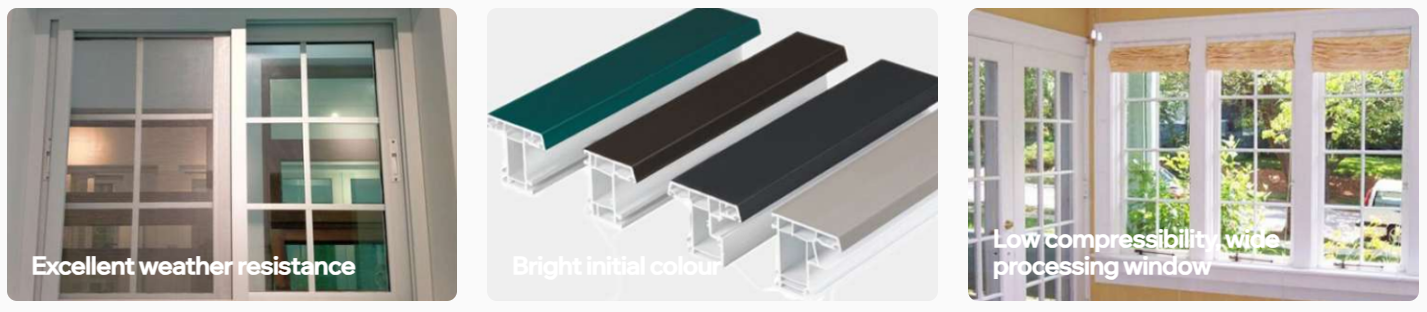
Window and Door Profiles
PVC window frames are constantly exposed to sunlight and temperature fluctuations. UV stabilizers help maintain structural strength and appearance.
Roofing Membranes
PVC roofing materials require strong resistance to UV radiation, weathering, and temperature changes.
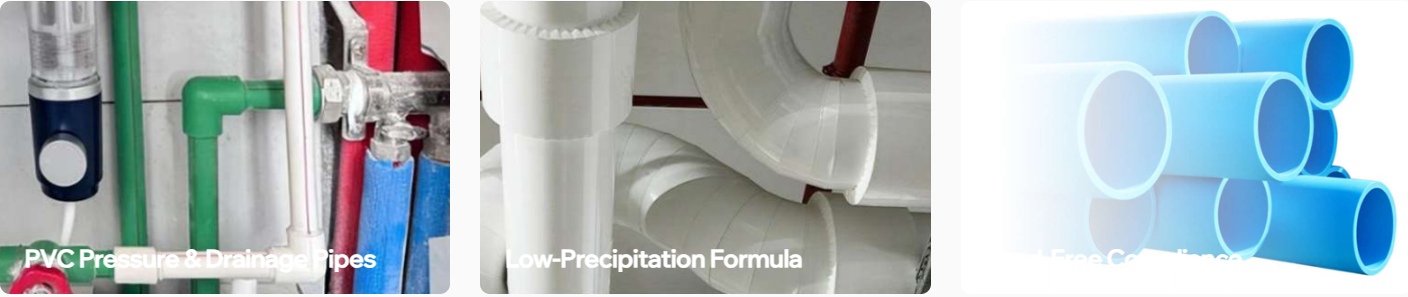
Outdoor Pipes and Construction Materials
PVC pipes used in irrigation and infrastructure may be exposed to sunlight for many years.
Outdoor Furniture
Garden furniture made from PVC must resist fading, cracking, and material degradation.
How to Choose the Right UV Stabilizer for PVC
Selecting the correct UV stabilizer system depends on several factors.
Product Application
Different outdoor products require different levels of UV protection.
Expected Lifespan
Products designed for long service life require more advanced stabilization systems.
Color Requirements
Transparent products require UV absorbers, while black materials often rely on carbon black stabilization.
Environmental Conditions
Products exposed to intense sunlight or extreme climates require stronger stabilization systems.
Working with an experienced PVC stabilizer supplier can help manufacturers determine the most suitable UV stabilizer combination.
Conclusion
UV radiation is one of the biggest environmental threats to outdoor PVC products. Without proper protection, sunlight can cause discoloration, mechanical failure, and reduced service life.
By incorporating UV stabilizers for PVC, manufacturers can significantly improve the durability and weather resistance of PVC materials. When combined with effective PVC heat stabilizers, these additives ensure long-term performance even under harsh environmental conditions. As the demand for outdoor PVC applications continues to grow, advanced UV stabilization technologies will remain essential for maintaining product quality and reliability. Contact us anytime, for your special project!