

zhihe

Posted by Andi Seabeck

in blog

Facility Management Market Leader

Updated 2026-01-19

Artificial Leather Seat Covers for Automobiles

Read:88

Source:

Table of Contents

  1. Why OEMs Love Artificial Leather

  2. Material Options: PVC, PU, TPU & Hybrids

  3. Key Performance Requirements

  4. Formulation Building Blocks

  5. Manufacturing Processes

  6. Additives That Make or Break Quality

  7. Regulatory & OEM Specifications

  8. Sustainability & Recycled Content

  9. Testing & Validation

  10. Cost-of-Ownership vs. First Cost

  11. Future Trends: Bio-PU, Smart Surfaces & Digital QC

  12. Action Checklist for New Projects


Why OEMs Love Artificial Leather

Automotive interior designers balance four levers—cost, durability, environmental impact, and brand perception. Artificial leather (a.k.a. synthetic leather, faux leather, vegan leather) beats genuine hide on three of those four:

CriterionReal LeatherArtificial LeatherImpact in Cars
Cost ConsistencyPricey; hide defects increase wasteStable price, minimal scrapSaves €15–30 per seat on mid-range models
DurabilitySusceptible to UV cracking & stainsEngineered topcoats resist UV, abrasion, chemicalsLonger showroom “new car” feel
Supply Chain RiskLimited hides, regional tanneriesGlobal polymer supply, film linesFewer shortages, easier scaling
Perceived LuxuryHistorically higherGap closing fast with grain emboss & soft touchPremium trims without animal sourcing issues

With EV interiors trending toward minimalistic yet high-tech cabins, artificial leather offers the colour latitude, back-lighting options, and surface integration needed for next-gen HMIs.

Material Options: PVC, PU, TPU & Hybrids

PolymerStructureStrengthsTypical Weak Spots
PVC (polyvinyl chloride)Plasticized film + fabric backingLow cost, inherent flame retardancy, wide emboss patternsNeeds stabilizers for odour & UV; higher density
PU (polyurethane)Foamed or cast on microfiberBreathable, soft hand, low-VOC grades availableCostlier; hydrolysis risk in humid climates
TPU (thermoplastic polyurethane)Extruded sheetElastomeric feel, scratch resistant, recyclable blendsHigher raw-material price; processing narrower
Hybrid (PU topcoat on PVC/TPU)Multi-layerCombines cost control & soft touchLamination complexity

PVC-based synthetics still dominate volume applications, but advanced PU microfibre suede leads in high-luxury trims. Hybrids are closing the gap by adding PU or TPU touch layers over PVC foams for the “best of both worlds” approach.


Key Performance Requirements

PropertyTargetTest MethodOEM Typical Spec
UV Colour ChangeΔE ≤ 4 after 1 000 hSAE J2412 / ISO 105-B02ΔE ≤ 3 (premium)
Abrasion Resistance≥ 50 000 cycles no wear-throughMartindale / Taber≥ 100 000 (luxury)
Fogging (VOC)≤ 2.0 mg (glass plate)ISO 6452≤ 1.5 mg for EU OEMs
Flame SpreadPass FMVSS 302Horizontal burnMandatory
Cold CrackNo crack @ –30 °CASTM D2136–40 °C for Nordic trims
Stitch Tear≥ 20 NISO 13937Seat seam integrity


Formulation Building Blocks

  1. Polymer Matrix – PVC paste resin, PU dispersion, TPU granule.

  2. Plasticizer/Foaming Agent – DOTP, TOTM, water-blown PU microcells.

  3. Stabilizer Package – Calcium zinc stabilizers for PVC or tin-free urethane heat stabilizers.

  4. UV Screeners & HALS – Protect colour and mechanicals.

  5. Fillers & Pigments – TiO₂, silicas, carbon black for hiding & grain hold.

  6. Process Aids & Lubricants – Ensure release from web or paper.

  7. Backer Substrate – Polyester knit, cotton scrim, recycled PET felt.

  8. Adhesives/Primers – PU hot-melt, urethane dispersion.

Additive balance is crucial: too much external lubricant plates out, hurting grain sharpness; too little plasticizer raises cold-crack risk.


Manufacturing Processes

ProcessHow It WorksSeat-Cover AdvantageEquipment Notes
Knife-over-roll (PVC plastisol)Coat liquid plastisol on release paper, gel & foam in oven, laminate fabric, strip & embossMass-market; flexible thickness controlOven zones must match Ca/Zn fuse profile to prevent plate-out
Cast PU on Release PaperCast PU resin, partially cure, bond microfiberLuxury hand, micro-ventilatedRequires dry environment; moisture kills reaction
Calendar PVC FoamExtrude soft PVC sheet, foam agent expands, apply topcoatHigh output, inline embossPVC heat stabilizer must allow 200-220 °C melt without scorch
Melt-Coat TPUExtrude TPU sheet onto hot fabricMonomaterial recyclabilityNarrow window; precise die control

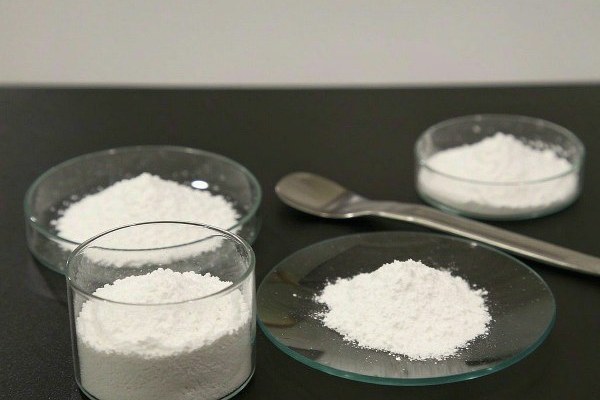
Intermediate one-pack PVC stabilizer pellets simplify plastisol dosing, improving oven-zone consistency.


Additives That Make or Break Quality

Calcium Zinc Stabilizer (PVC)

  • Lead-free, low-odour, compatible with VOC mandates.

  • Must survive triple heat history: plastisol gel, emboss, top-coat cure.

  • Balanced Ca:Zn ratio avoids sticky die-line build-up.

UV Absorber + HALS Combo

  • Benzotriazole or triazine screens plus hindered amine radicals trap UV.

  • Over-loading > 0.5 phr can plasticize and dull grain.

Antimicrobial & Anti-Stain

  • Silver-glass or zinc-pyrithione combats denim-dye transfer, sunscreen breakdown.

Matting & Slip Agents

  • Silica matting sets gloss 3–8 GU; silicone slip reduces squeak.


Regulatory & OEM Specifications

RegionReg FocusKey Standards & Limits
EUREACH, RoHS, ELV< 0.1 % heavy metals, < 0.1 % phthalates (DBP, DEHP)
USAProp 65, CARB VOCLabel if ≥ 0.1 % listed chemicals; fogging < 2 mg
ChinaGB/T 37273 “VOC in Auto Interiors”Formaldehyde < 100 µg m³, TVOC < 1 000 µg m³
Global OEMsOdour panel, material data sheets (IMDS)Odour ≤ 3.0 (scale 1–6), IMDS lead row < 1 ppm

Lead free stabilizer for PVC is now baseline; some OEMs also restrict tin below 50 ppm.


Sustainability & Recycled Content

  • PCR Backing Fabrics – Recycled PET knits reduce virgin polyester use by up to 40 %.

  • Bio-Based Plasticizers – Epoxidised soybean or castor esters trim carbon footprint.

  • Closed-Loop TPU – Single-family TPUs allow seat covers to be shredded and re-extruded.

  • LCA Hotspots – Stabilizer metals, solvent usage in PU dispersion; one-pack pellets minimize transport and dust emissions.


Testing & Validation

CategoryCore TestsPass/Fail Criteria
AppearanceColour ΔE, glossΔE ≤ 3–4; gloss within ±5 GU of spec
MechanicalTensile, tear, stitch tear, cold crackOEM per seat spec; cold crack no breaks
EnvironmentalUV, humidity, thermal shockΔE ≤ 4; no tackiness
Chemical ResistanceSunscreen, synthetic sweat, coffeeNo colour bleed; < 15 % gloss loss
Odour & VOCISO 12219, VDA 270Odour ≤ 3; fogging ≤ 2 mg
FireFMVSS 302, ISO 3795Burn rate ≤ 100 mm min⁻¹


Future Trends: Bio-PU, Smart Surfaces & Digital QC

  • Bio-PU microfibre suedes target premium EV interiors.

  • Back-lit TPUs integrate capacitive switches and haptic feedback.

  • Digital embossed registration uses inline vision to align grain with seat curves.

  • AI-based colour sensors adjust stabilizer feed to hold ΔE < 1 in real time.


Action Checklist for New Projects

  1. Define service climate (UV, temperature, humidity).

  2. Choose polymer family: PVC, PU, TPU, or hybrid.

  3. Select calcium zinc stabilizer grade tuned for seat specs—prefer one-pack PVC stabilizer for dosing accuracy.

  4. Build pilot formula; run lab tests for UV, abrasion, fogging.

  5. Scale to roll-to-roll line; monitor plate-out, grain fidelity, odour.

  6. Submit for OEM material approval (IMDS, PPAP).

  7. Validate in prototype seats; conduct road-load & ageing cycles.

  8. Launch with digital QC to lock in colour and gloss every batch.

Smart additive choices today ensure that tomorrow's artificial-leather seat covers stay luxurious, sustainable and warranty-free—no matter how harsh the sun or the market audit.


Table of Contents